Le Infezioni in Medicina, n. 3, 341-354, 2026
ORIGINAL ARTICLES
blaOXA-23/blaNDM co-carriage among clinical Acinetobacter baumannii isolates from southern Vietnam and its association with multiclass antimicrobial resistance
Si-Tuan Nguyen1, Minh Thong Nguyen2, Duy Nhat Le2, Van Chuong Le3, Minh Tuan Huynh4,5
1Department of Microbiology and Parasitology, Faculty of Medical Laboratory, Hong Bang International University, Ho Chi Minh City, Vietnam;
2Department of Microbiology, Thong Nhat General Hospital of Dong Nai Province, Dong Nai Province, Vietnam;
3Faculty of Medical Technology, Van Lang University, Ho Chi Minh City, Vietnam;
4Department of Microbiology and Parasitology, and Gastro-Hepato Integrated Research Team (GHIRT-002.TCM2025), School of Medicine, University of Medicine and Pharmacy at Ho Chi Minh City, Ho Chi Minh City, Vietnam;
5Department of Medical Microbiology, University Medical Center Ho Chi Minh City, Ho Chi Minh City, Vietnam.
Article received 17 June 2026 and accepted 30 July 2026
Corresponding author
Minh Tuan Huynh
E-mail: huynh.tuan@umc.edu.vn
SUMMARY
Background: Carbapenem-resistant Acinetobacter baumannii (CRAB) is a World Health Organization critical-priority pathogen, but the contribution of blaOXA-23 and blaNDM co-carriage to resistance across antimicrobial classes is poorly defined in southern Vietnam.
Objectives: To describe the carbapenemase gene profile and antimicrobial susceptibility of clinical A. baumannii isolates from a Vietnamese tertiary hospital, to estimate the association between carbapenemase genotypes and class-level resistance, and to assess the concordance between automated phenotypic carbapenemase prediction and multiplex PCR.
Methods: Single-centre, laboratory-based cross-sectional study of 172 non-duplicate clinical A. baumannii isolates collected consecutively over 28 months. Susceptibility was determined on the BD Phoenix M50 system, except colistin, which was tested by reference broth microdilution, and interpreted according to CLSI M100 (2023). Denominators vary by agent and are reported explicitly. Class-level resistance was resistance to at least one tested agent in the class. Six carbapenemase genes were detected by multiplex PCR. Firth penalized logistic regression (reference genotype: blaOXA-51 only) was used to estimate genotype-resistance associations; concordance was assessed using Cohen’s κ, sensitivity, specificity and predictive values.
Results: 158 of 172 isolates (91.9%) met the multidrug-resistance definition. blaOXA-51 (98.3%) and blaOXA-23 (83.7%) predominated; blaNDM was detected in 23.3%, and blaOXA-23/blaNDM co-carriage in 16.3% (28/172). Colistin resistance was detected in 3 of 156 evaluable isolates (1.9%). The blaOXA-51/blaOXA-23 genotype was associated with higher odds of resistance in all six classes examined (OR 7.60-18.59, all p ≤0.003). Additional carriage of blaNDM was associated with a further increase for carbapenems (OR 13.10, 95% CI 1.90-90.27), aminoglycosides (16.40, 2.39-112.40), fluoroquinolones (13.10, 1.90-90.27), penicillin/β-lactamase inhibitor combinations (15.31, 2.08-112.97) and trimethoprim/sulfamethoxazole (8.27, 1.36-50.26; all p ≤0.022), but not for extended-spectrum cephalosporins (19.00, 0.90-401.19, p=0.058). The blaOXA-51/blaNDM genotype without blaOXA-23 was not significantly associated with resistance in any class. The BD Phoenix M50 predicted Ambler class D with moderate agreement (κ=0.536) but assigned class B to only 1 of 40 blaNDM-positive isolates (κ = 0.038); all 38 isolates reported as carbapenemase detected, class not determined carried blaNDM.
Conclusions: In this collection, blaOXA-23 was the genotype most consistently associated with resistance across multiple antimicrobial classes, and blaNDM was associated with resistance mainly when carried together with blaOXA-23. Automated phenotypic classification rarely assigned NDM-producing isolates to Ambler class B, although a carbapenemase result of undetermined class had a high positive predictive value for blaNDM. These single-centre findings are associative; molecular confirmation and clonality analysis are warranted in comparable settings.
Keywords: Acinetobacter baumannii, carbapenem-resistant Acinetobacter baumannii (CRAB), blaOXA-23, blaNDM, multiplex PCR, multidrug resistance, carbapenemase detection, molecular surveillance, Vietnam.
INTRODUCTION
Carbapenem-resistant Acinetobacter baumannii (CRAB) is currently classified as a critical-priority pathogen in the World Health Organization (WHO) bacterial priority pathogens list and has emerged as one of the most pressing threats to patient safety in intensive care units (ICUs) and other high-dependency settings worldwide [1, 2].
In Vietnam and many other low- and middle-income countries (LMICs), CRAB is now endemic and is associated with high mortality, prolonged hospitalization, and very limited therapeutic options [3, 4]. Carbapenem resistance in A. baumannii is predominantly driven by acquired carbapenem-hydrolyzing class D β-lactamases, particularly blaOXA-23, in combination with the intrinsic blaOXA-51-like gene. In contrast, metallo-β-lactamases (MBLs), such as blaNDM, have emerged more recently and remain under-recognized in routine diagnostics [5, 6]. The burden of infections caused by metallo-β-lactamase-producing Gram-negative bacteria is substantial even where diagnostic and therapeutic resources are well developed, with restricted treatment options and adverse outcomes, and pan-drug-resistant phenotypes leave few therapeutic alternatives [7, 8].
Co-carriage of blaOXA-type carbapenemase genes (predominantly blaOXA-23) and blaNDM has been reported only sporadically but is of clinical concern because it may broaden the resistance spectrum and compromise agents beyond the carbapenems, including aminoglycosides and fluoroquinolones [4, 5, 9]. Quantitative data on how specific genotypic combinations relate to resistance across multiple classes remain scarce, particularly from Southeast Asia. Clinical laboratories still largely rely on phenotypic carbapenemase screening systems such as the BD Phoenix, whose ability to assign the correct Ambler class to metallo-β-lactamase producers has been questioned [10, 11].
Thong Nhat General Hospital of Dong Nai Province is a large tertiary care centre where our group previously documented a high prevalence of carbapenemase genes among A. baumannii isolates from patients with pneumonia [4]. Despite this trend, the contribution of different carbapenemase gene combinations to the observed multidrug-resistant (MDR) phenotypes has not been systematically quantified at this institution. We therefore conducted a laboratory-based cross-sectional study of 172 non-duplicate clinical A. baumannii isolates collected over a 28-month period, with four aims:
1) to describe their antimicrobial susceptibility profiles across major therapeutic classes;
2) to determine the distribution of key carbapenemase genes (blaOXA-51, blaOXA-23, blaOXA-58, blaNDM, blaKPC, blaIMP);
3) to estimate, using penalized logistic regression, the association between specific gene combinations – in particular blaOXA-23/blaNDM co-carriage – and class-level resistance; and
4) to assess the concordance between BD Phoenix carbapenemase classification and multiplex PCR. This study is exploratory and cross-sectional; the analyses below describe statistical associations and are not intended to establish causality, gene expression, or clonal transmission.
Ethics approval
This study was conducted in accordance with the principles of the Declaration of Helsinki. It was approved by the Institutional Review Board of Thong Nhat General Hospital, Dong Nai Province, Vietnam (Approval No.: 03/HĐĐĐ). Because the study analyzed only routinely collected microbiological isolates and fully de-identified clinical data, the Institutional Review Board waived the requirement for individual informed consent. No patient-identifying information was extracted, retained, or analyzed at any stage of the study.
Study design and clinical isolate collection
This was a laboratory-based, cross-sectional study conducted at Thong Nhat General Hospital, Dong Nai Province, Vietnam. All consecutive non-duplicate clinical isolates of Acinetobacter baumannii recovered from routine diagnostic specimens between March 2023 and June 2025 were included, giving 172 isolates. Recovery was not uniform across this interval: four isolates were obtained between March and July 2023 and the remaining 168 between January 2024 and June 2025. Repeat isolates of the same species from the same patient and the same anatomical site reported on the same day were not counted twice; however, no further restriction was applied, so a patient could contribute more than one isolate over time or from different sites. Nineteen patients contributed more than one isolate, and two patients contributed isolates from two different anatomical sites. To assess whether this affected the findings, a sensitivity analysis was performed in which only the first isolate per patient, per anatomical site, per 30-day period was retained (n=157); the results were materially identical. Specimens comprised tracheal aspirates, pus and wound fluid, blood, peritoneal dialysis fluid, and urine, from patients admitted to intensive care, internal medicine, surgical, and other inpatient services. No formal sample size calculation was performed. Because standardized clinical criteria for distinguishing infection from colonization were not applied at the time of specimen collection, isolates are described throughout as clinical isolates; no inference is made regarding whether an individual isolate represented true infection or airway or wound colonization. This is particularly relevant for tracheal aspirates, which accounted for the majority of the collection. Variables analysed comprised antimicrobial susceptibility category (susceptible, intermediate, resistant), presence or absence of six carbapenemase genes, clinical service of origin, and specimen type. Susceptibility results were not available for every agent in every isolate, because the BD Phoenix panels used in routine practice did not include all agents for all isolates; the number of isolates tested is therefore reported for each agent, and all percentages are calculated on the number tested.
All isolates were initially identified by conventional microbiological methods and confirmed using the BD Phoenix™ M50 automated identification system (Becton, Dickinson and Company, Sparks, MD, USA).
Antimicrobial susceptibility testing
Antimicrobial susceptibility testing (AST) and carbapenemase phenotype screening were performed on the BD Phoenix M50 automated system, with the exception of colistin. Because automated broth-based colistin testing is prone to error, colistin minimum inhibitory concentrations (MICs) were determined separately by reference broth microdilution. MICs were interpreted according to Clinical and Laboratory Standards Institute (CLSI) M100, 33rd edition (2023), applied consistently to all isolates throughout the study period [12]. For Acinetobacter spp., CLSI M100 provides only “intermediate” (MIC ≤ 2 mg/L) and “resistant” (MIC ≥4 mg/L) categories for colistin; no isolate can therefore be reported as susceptible. Resistance to imipenem and/or meropenem was used to define carbapenem resistance. Ten results for which an MIC had been recorded but no interpretive category was stored in the laboratory record were categorised de novo from the MIC using the same CLSI criteria; these comprised two imipenem, four meropenem, three ciprofloxacin and one tobramycin result. Agents to which Acinetobacter spp. are intrinsically resistant (ampicillin, cefotaxime) or for which no interpretive criteria are available for this species (aztreonam), together with agents that are not clinically appropriate for Acinetobacter and were reported only through expert rules (cefazolin, cefoxitin, cefuroxime, cefozopran, cefroxadine, piperacillin), were excluded from all analyses and are not reported. Tigecycline was not included in the panels used during the study period and is therefore not reported. Class-level resistance was defined, for all analyses, as resistance to at least one tested agent within the class, using the following groupings: carbapenems (imipenem, meropenem, doripenem); extended-spectrum cephalosporins (cefepime, ceftazidime, cefotaxime/clavulanate); aminoglycosides (amikacin, gentamicin, tobramycin); fluoroquinolones (ciprofloxacin, levofloxacin); penicillins plus β-lactamase inhibitor (ampicillin/sulbactam, ticarcillin/clavulanate); folate pathway inhibitors (trimethoprim/sulfamethoxazole); and polymyxins (colistin). An isolate was classified as resistant in a class if at least one agent in that class was tested and reported resistant, and as non-resistant if at least one agent was tested and none was resistant; isolates with no tested agent in a class were treated as not evaluable for that class and excluded from the corresponding analysis. Multidrug resistance was defined according to Magiorakos et al. as non-susceptibility to at least one agent in three or more antimicrobial categories; because tetracyclines (minocycline, tigecycline) and certain other categories were not tested, 7 of the 9 categories applicable to A. baumannii were evaluable, and extensively drug-resistant and pandrug-resistant phenotypes could not be formally assigned [13]. The BD Phoenix M50 also incorporates carbapenemase-producing organism (CPO) detection, which reports one of the following: no carbapenemase detected; Ambler class A; class B; class D; or carbapenemase detected with class not determined. CPO results were generated by the instrument during routine testing, recorded in the laboratory information system at the time of reporting, and retrieved from that record for this analysis.
Multiplex PCR for carbapenemase gene detection
Genomic DNA was extracted by boiling lysis: bacterial colonies from overnight cultures on tryptic soy agar were suspended in 200 µL of sterile distilled water, boiled at 100 °C for 10 minutes, centrifuged at 13,000 × g for 5 minutes, and the supernatant was used as the DNA template.
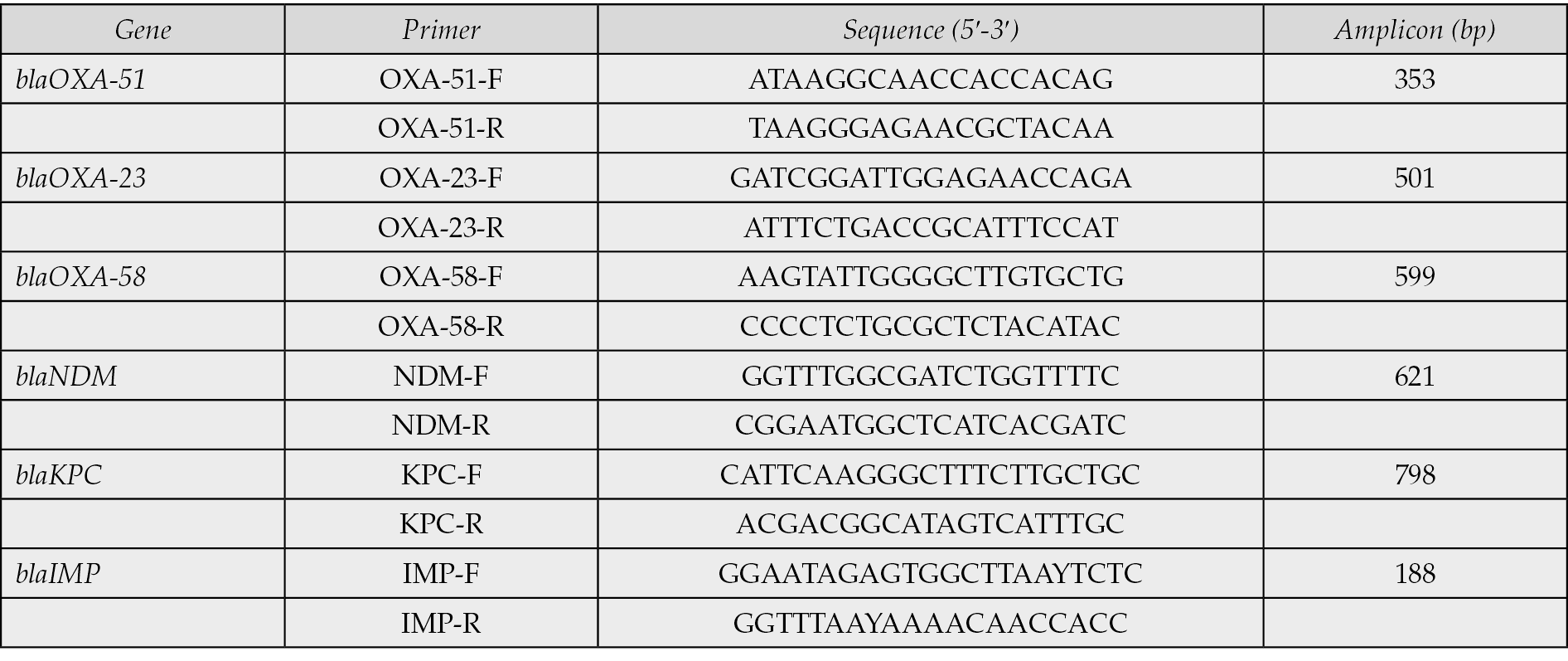
Multiplex PCR was performed using previously validated primers targeting six carbapenemase genes [14, 15]. The primer sequences and expected amplicon sizes are summarised in Table 1.
Table 1 - Primer sequences and expected amplicon sizes used for multiplex PCR detection of carbapenemase genes.
PCR was performed in a final volume of 25 µL containing 12.5 µL of 2× PCR Master Mix, 1 µL of each primer (10 µM), 2 µL of DNA template, and nuclease-free water. Cycling conditions consisted of an initial denaturation at 94 °C for 5 minutes, followed by 35 cycles of denaturation at 94 °C for 30 seconds, annealing at 58 °C for 40 seconds, and extension at 72 °C for 1 minute, with a final extension at 72 °C for 7 minutes. PCR products were electrophoresed on a 1.5% agarose gel stained with ethidium bromide and visualized under ultraviolet light. A 100 bp DNA ladder was used as a size reference. Positive controls for each gene and a no-template negative control were included in every PCR run.
Statistical analysis
All statistical analyses were performed using Stata version 17.0 (StataCorp LLC, College Station, TX, USA) and R version 4.3. Categorical variables were summarised as frequencies and percentages, with denominators reported for every antimicrobial agent. Concordance between BD Phoenix phenotypic carbapenemase classification and multiplex PCR was assessed using Cohen’s κ, interpreted as slight (κ=0.00-0.20), fair (0.21-0.40), moderate (0.41-0.60), substantial (0.61-0.80) or almost perfect (0.81-1.00), and was accompanied by the underlying 2 × 2 contingency tables and by sensitivity, specificity, positive predictive value and negative predictive value, with multiplex PCR taken as the reference standard [16].
To examine the association between carbapenemase genotypes and class-level resistance, logistic regression models were fitted separately for each of six antibiotic classes, using the blaOXA-51-only genotype as the reference category. Because the reference group was small (n=17) and several outcomes had a very high prevalence of resistance, conventional maximum-likelihood logistic regression was unstable and subject to quasi-complete separation. Firth penalized logistic regression was therefore used for all models [17]. Genotype was the only explanatory variable in each model; the models are consequently univariable, and the resulting estimates are reported as unadjusted odds ratios (ORs) with 95% confidence intervals (CIs). Isolates not evaluable for a given class were excluded from that model, so the analysed number differs between classes and is reported for every model. A two-sided p <0.05 was considered statistically significant. No adjustment was made for multiple comparisons, and the analyses should be regarded as exploratory and hypothesis-generating. Raw genotype-by-resistance counts underlying every model, with their denominators, are reported together with the model estimates.
Demographic and clinical characteristics of the isolates
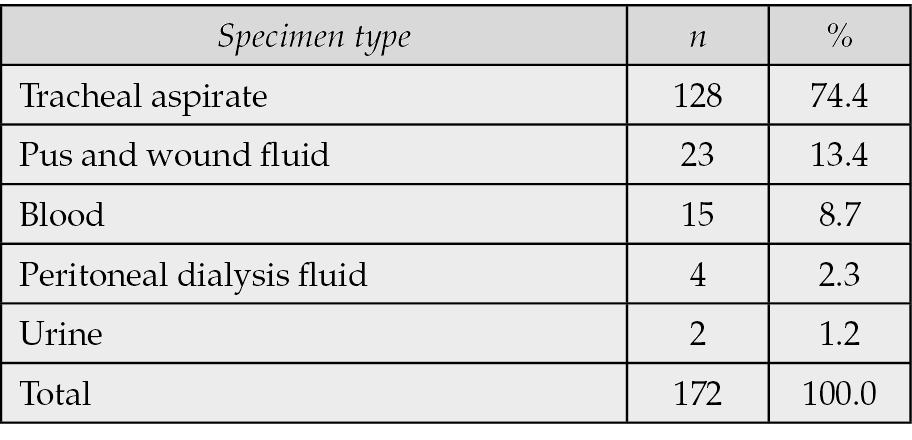
A total of 172 non-duplicate A. baumannii isolates were analysed. Isolates originated predominantly from intensive care and anaesthesia/post-operative intensive care units (102/172, 59.3%), followed by general internal medicine (31/172, 18.0%) (Table 2). Clinical service categories that overlapped in the original laboratory records were harmonised before analysis: the emergency department was reported separately from the intensive care units, and urology was combined with nephrology into a single nephrology and urology category. The predominant specimen type was tracheal aspirate (128/172, 74.4%), followed by pus and wound fluid (23/172, 13.4%), blood (15/172, 8.7%), peritoneal dialysis fluid (4/172, 2.3%) and urine (2/172, 1.2%) (Table 3). As noted in the Methods, infection could not be distinguished from colonization, and the predominance of tracheal aspirates should be interpreted with this in mind.
Table 2 - Clinical services from which the 172 non-duplicate A. baumannii isolates were obtained.
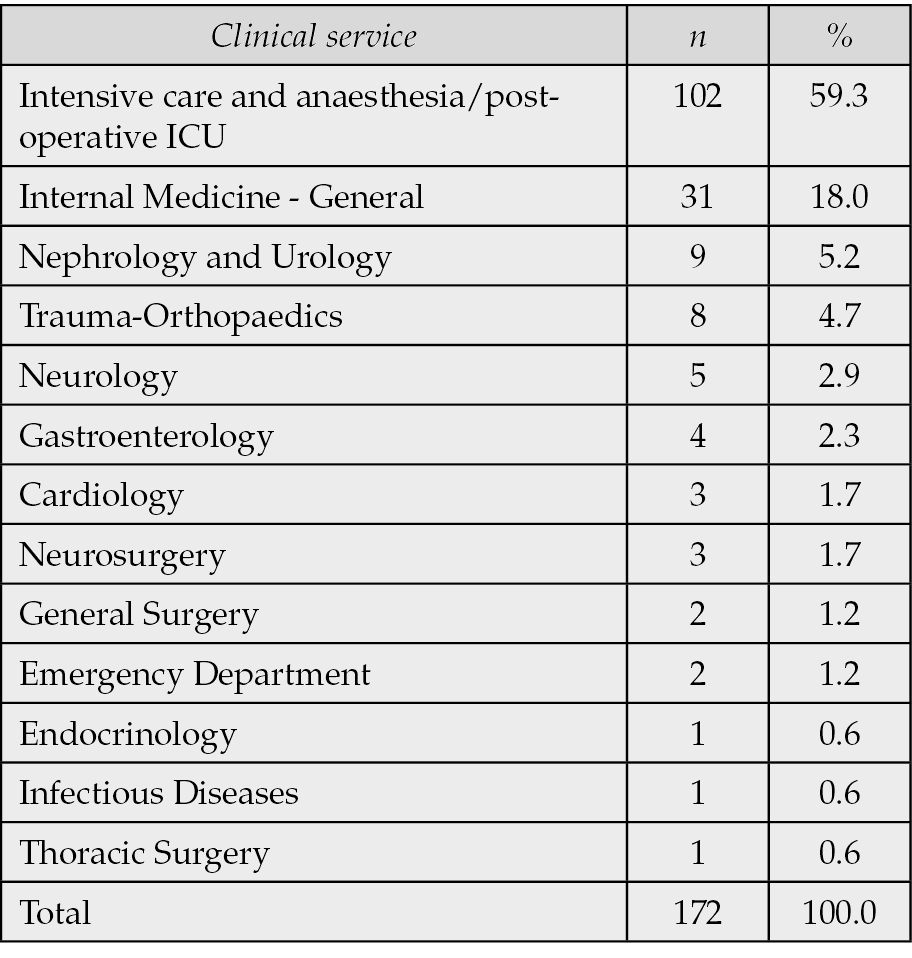
Table 3 - Clinical specimen types yielding A. baumannii (n = 172).
Antimicrobial resistance profiles
Of the 172 isolates, 158 (91.9%) met the definition of multidrug resistance, that is, non-susceptibility to at least one agent in three or more of the evaluable antimicrobial categories; 92 isolates (53.5%) were resistant in six or more categories. Resistance to carbapenems was high: imipenem 95.1% (155/163 tested), meropenem 90.1% (155/172) and doripenem 91.0% (101/111). Resistance to extended-spectrum cephalosporins ranged from 89.0% to 94.6%: cefepime 89.0% (153/172), ceftazidime 91.3% (157/172) and cefotaxime/clavulanate 94.6% (105/111). Resistance to ampicillin/sulbactam was 88.8% (135/152) and to ticarcillin/clavulanate 91.1% (102/112). Resistance to non-β-lactam agents was similarly high: ciprofloxacin 91.3% (157/172), levofloxacin 84.9% (146/172), gentamicin 89.5% (153/171), tobramycin 85.7% (96/112), amikacin 84.3% (145/172) and trimethoprim/sulfamethoxazole 82.5% (94/114). Amikacin and trimethoprim/sulfamethoxazole retained the highest proportions of susceptible isolates (15.7% and 17.5% respectively). By reference broth microdilution, 153 of 156 evaluable isolates (98.1%) were categorised as intermediate to colistin and 3 (1.9%) as resistant (MIC ≥4 mg/L); under CLSI M100 criteria for Acinetobacter spp. no isolate can be reported as susceptible (Tables 4 and 5, Figure 1). Denominators differ between agents because the routine BD Phoenix panels did not include all agents for all isolates; the number tested is shown for each agent.
Table 4 - Antimicrobial susceptibility to β-lactam agents among 172 non-duplicate clinical A. baumannii isolates.
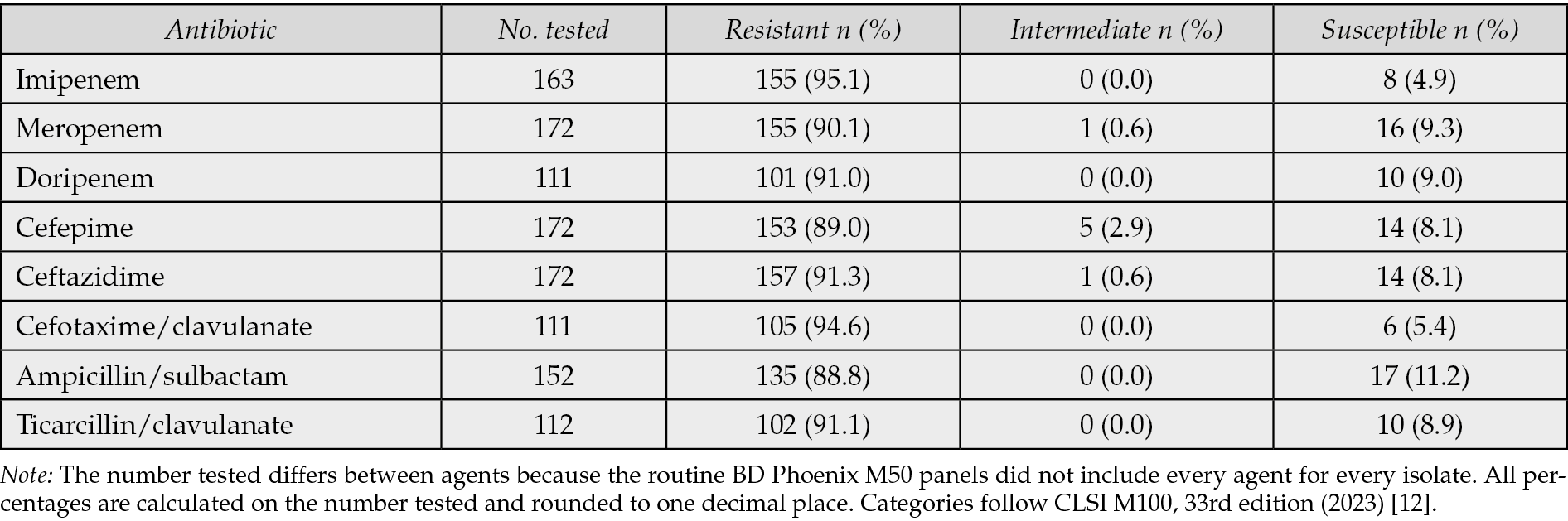
Table 5 - Antimicrobial susceptibility to non-β-lactam agents among 172 non-duplicate clinical A. baumannii isolates.
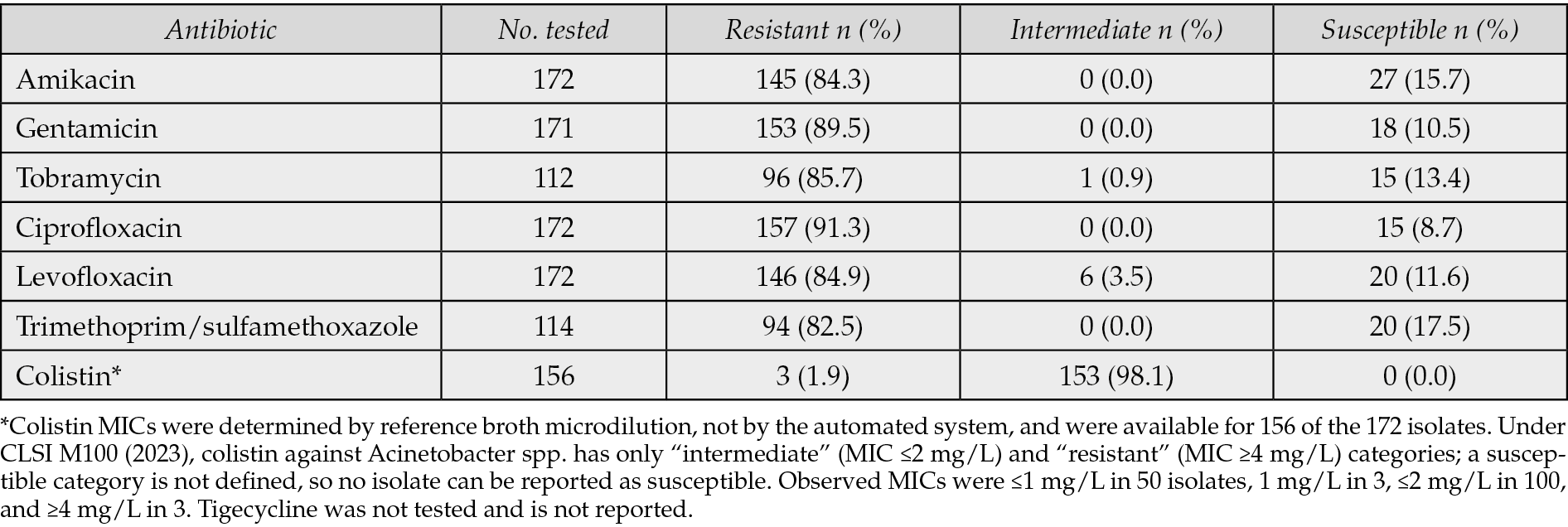
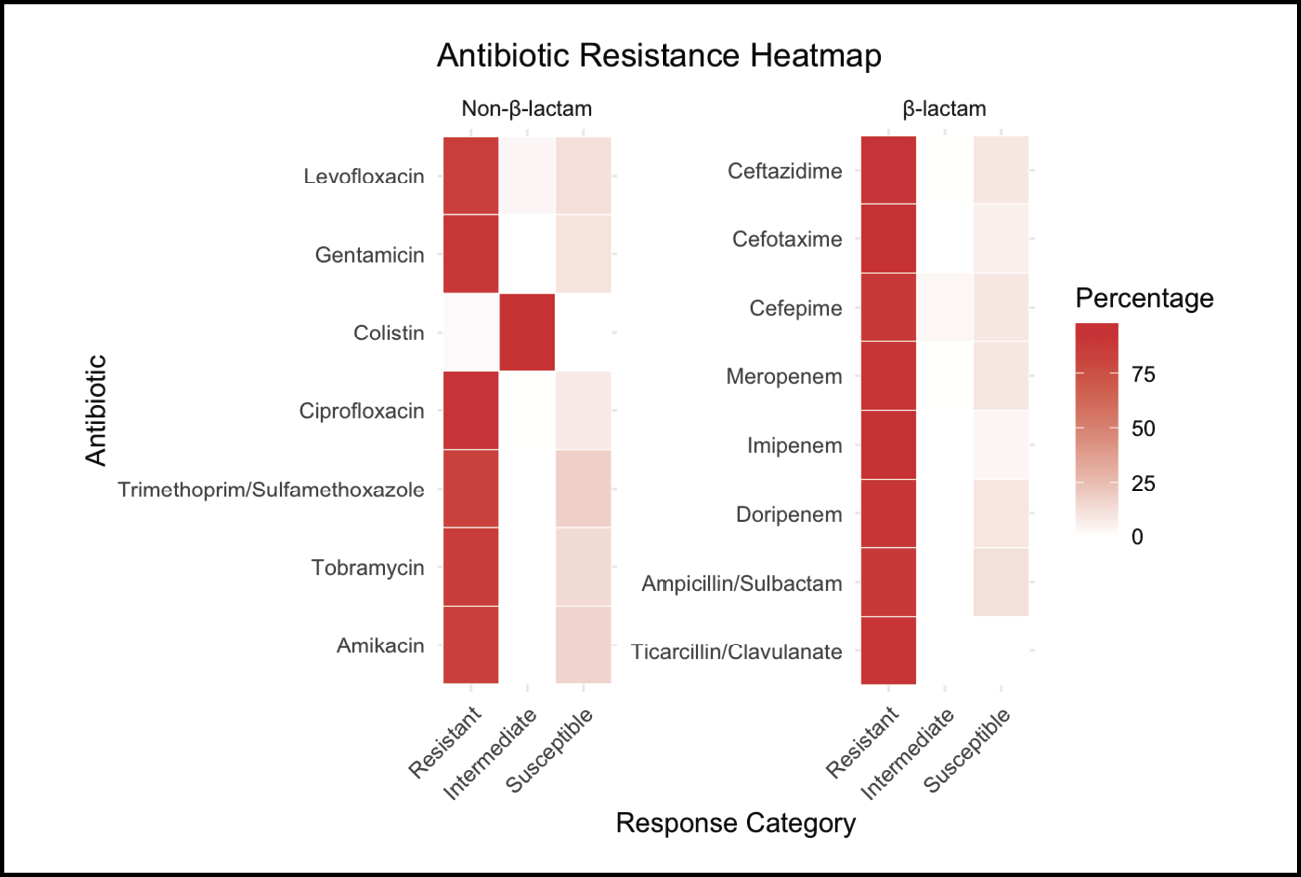
Figure 1 - Antimicrobial resistance profiles of 172 non-duplicate clinical Acinetobacter baumannii isolates. The left panel shows b-lactam agents (carbapenems, extended-spectrum cephalosporins and penicillin/b-lactamase inhibitor combinations); the right panel shows non-b-lactam agents (fluoroquinolones, aminoglycosides and trimethoprim/sulfamethoxazole). Colour intensity encodes the percentage of isolates in each interpretive category, calculated on the number tested for each agent.
Genotypic detection of carbapenemase genes
Multiplex PCR detected the intrinsic blaOXA-51-like gene in 169 of 172 isolates (98.3%). The acquired class D carbapenemase gene blaOXA-23 was detected in 144 isolates (83.7%), and the metallo-β-lactamase gene blaNDM in 40 isolates (23.3%). blaOXA-58 and blaKPC were each detected in a single isolate (0.6%), and blaIMP was not detected (Table 6A, Figure 2). Three isolates identified as A. baumannii by the automated system were negative for blaOXA-51-like. Because blaOXA-51-like is widely used as a species marker for A. baumannii, these three isolates cannot be confirmed as A. baumannii on molecular grounds; possible explanations include membership of the A. calcoaceticus-A. baumannii complex, primer mismatch affecting a divergent blaOXA-51-like allele, or PCR failure. Species-level confirmation by MALDI-TOF mass spectrometry or rpoB sequencing was not available for these isolates, and this is acknowledged as a limitation.
Table 6 - Distribution of carbapenemase genes and genotypic combinations among 172 non-duplicate clinical A. baumannii isolates.
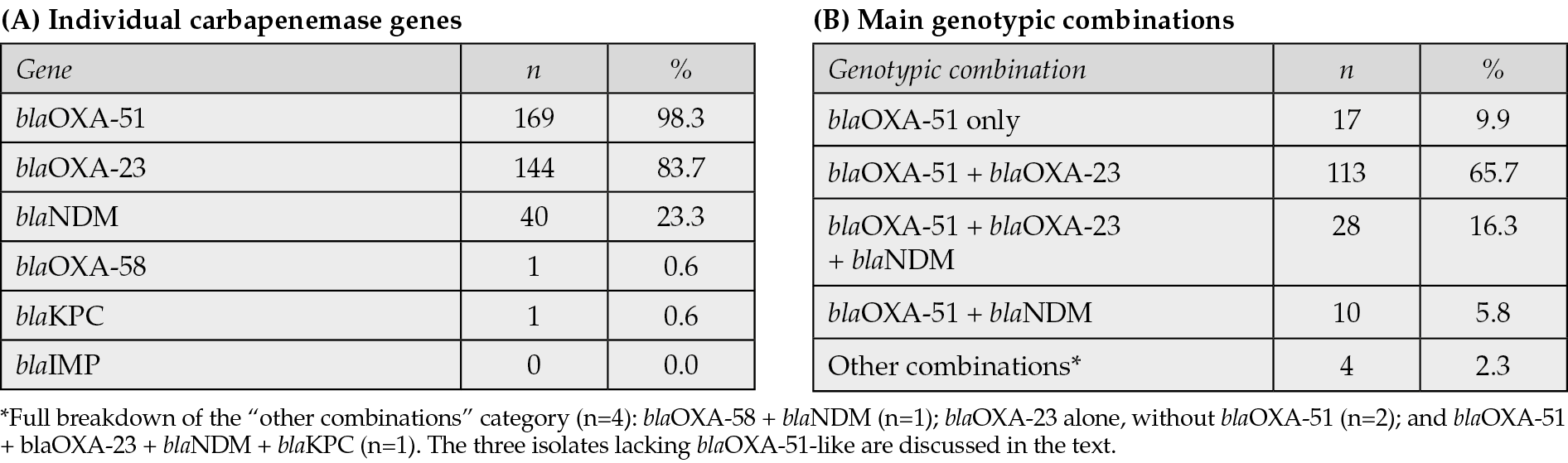
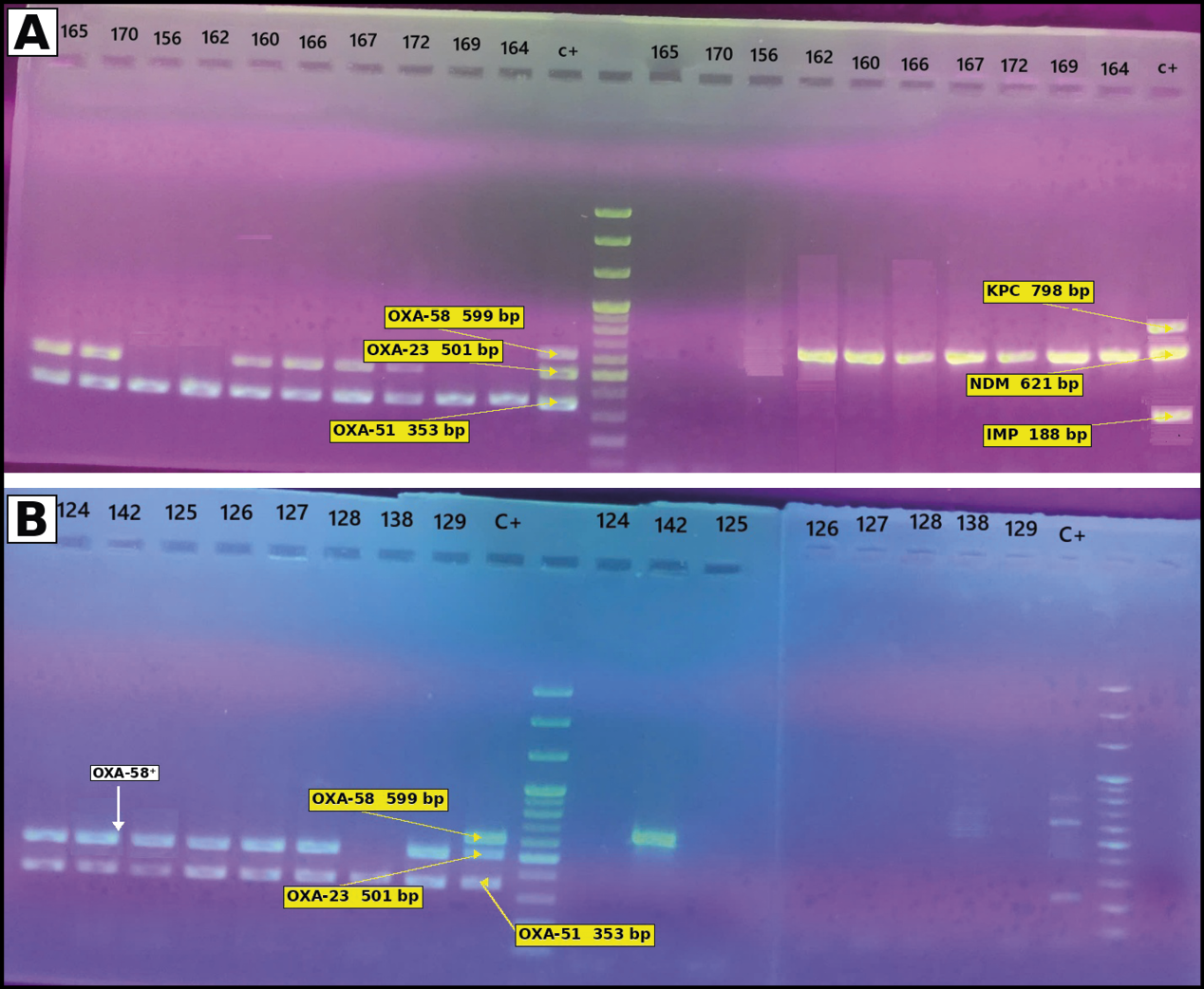
Figure 2 - Representative agarose gel electrophoresis of multiplex PCR products for carbapenemase genes. (A) Class D targets (blaOXA-58, 599 bp; blaOXA-23, 501 bp; blaOXA-51, 353 bp) on the left and blaNDM (621 bp), blaKPC (798 bp) and blaIMP (188 bp) on the right, with positive controls (c+) and a 100-bp ladder in the centre lane. (B) A separate gel demonstrating the single blaOXA-58-positive isolate, which displayed all three class D bands.
Across the genotypic combinations, blaOXA-51 + blaOXA-23 was the predominant pattern (113/172, 65.7%), followed by the triple combination blaOXA-51 + blaOXA-23 + blaNDM (28/172, 16.3%), blaOXA-51 alone (17/172, 9.9%) and blaOXA-51 + blaNDM (10/172, 5.8%) (Table 6B). Co-carriage of blaOXA-23 and blaNDM, with or without other genes, was identified in 28 isolates (16.3%). The single isolate carrying blaKPC also carried blaOXA-51, blaOXA-23 and blaNDM; this isolate was not classified as a class A carbapenemase producer by the automated system.
Association between carbapenemase genotypes and class-level resistance
Raw counts of isolates resistant to each antibiotic class, together with the number evaluable in each genotype group, are presented in Table 7. Firth penalized logistic regression models were then fitted separately for each of six antibiotic classes, with the blaOXA-51-only genotype (n=17) as the reference category and genotype as the sole explanatory variable; the resulting unadjusted odds ratios are presented in Table 8.
Table 7 - Number of isolates resistant to each antibiotic class, by carbapenemase genotype (n=172). Values are the number resistant divided by the number evaluable for that class, with the percentage in parentheses. Class-level resistance is defined as resistance to at least one tested agent within the class.
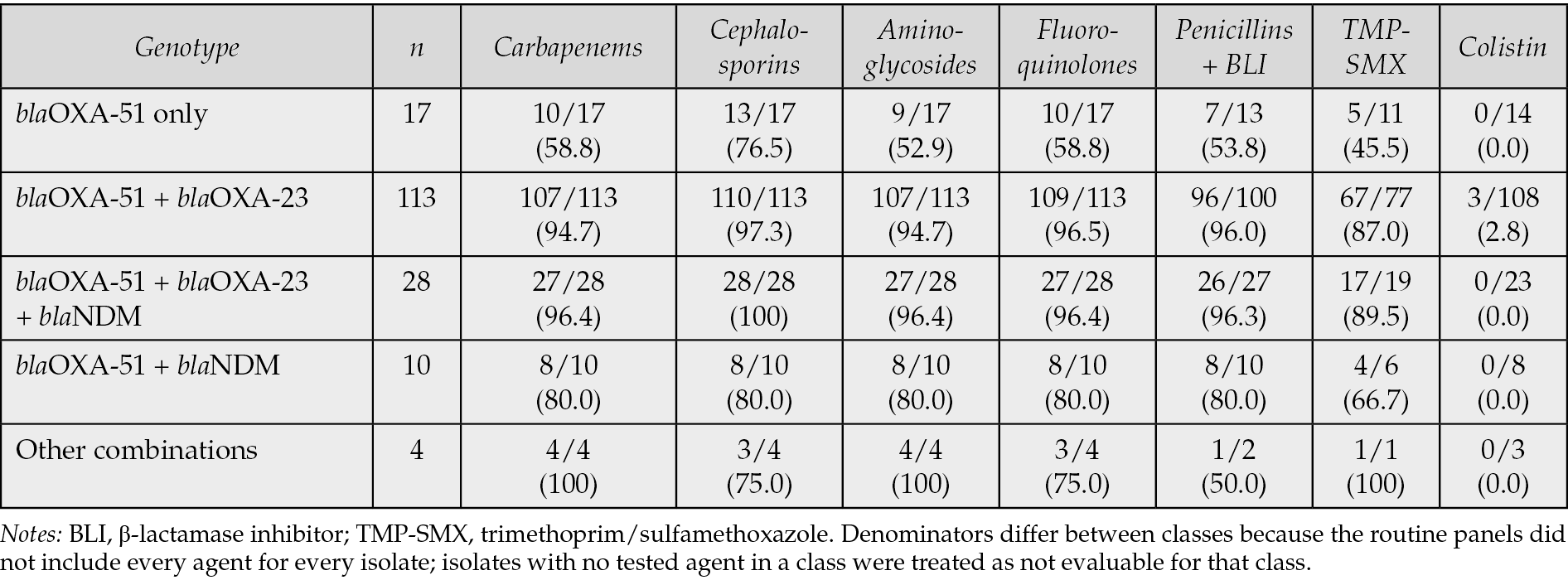
Table 8 - Unadjusted odds ratios (ORs) with 95% confidence intervals (CIs) from Firth penalized logistic regression for the association between carbapenemase genotype and class-level resistance (reference: blaOXA-51 only, n=17).
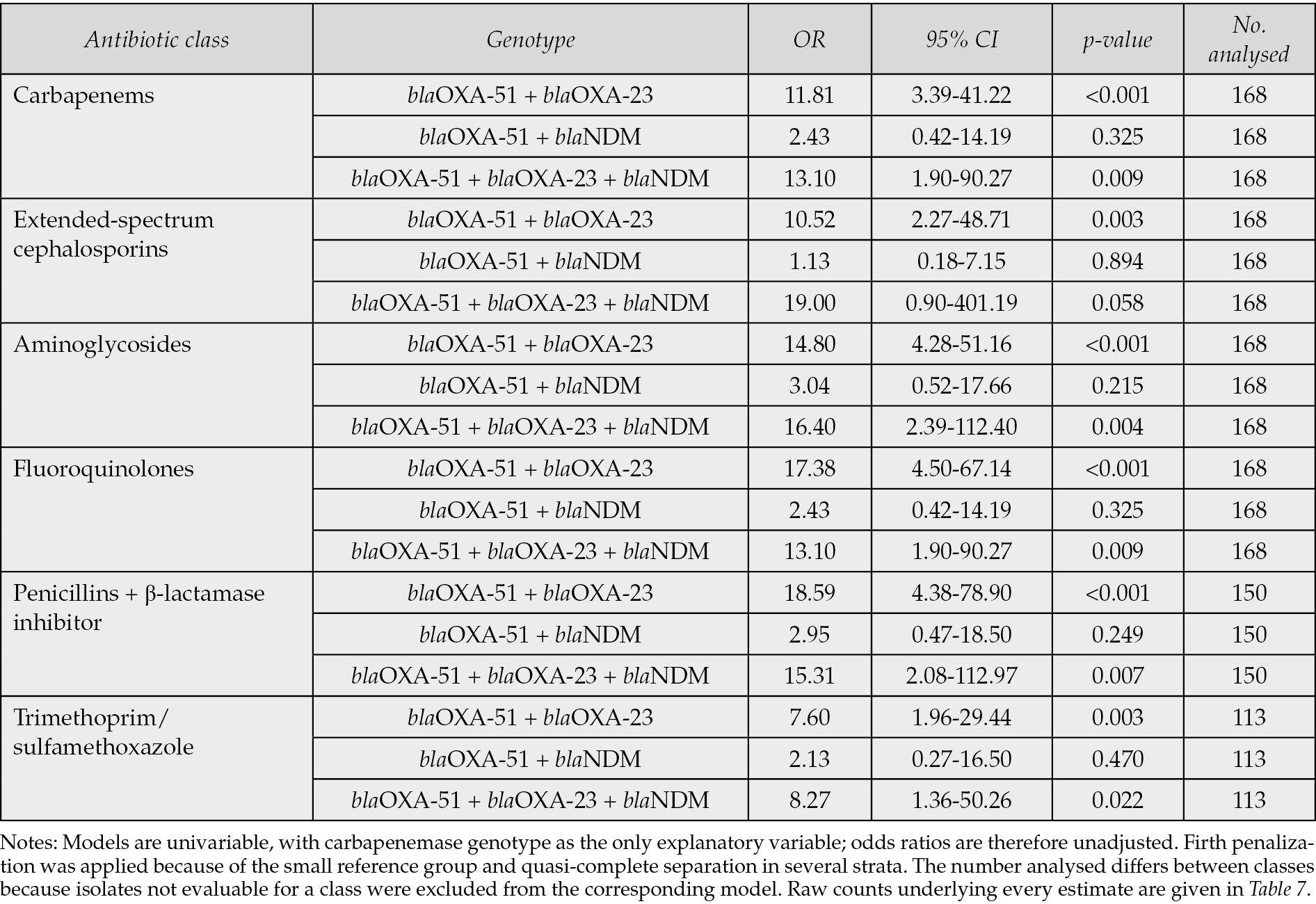
The blaOXA-51 + blaOXA-23 genotype was associated with higher odds of resistance in all six classes, with odds ratios ranging from 7.60 for trimethoprim/sulfamethoxazole to 18.59 for penicillin/β-lactamase inhibitor combinations (all p ≤0.003). Additional carriage of blaNDM was associated with a further increase in the odds of resistance for carbapenems (OR 13.10, 95% CI 1.90-90.27, p=0.009), aminoglycosides (OR 16.40, 95% CI 2.39-112.40, p=0.004), fluoroquinolones (OR 13.10, 95% CI 1.90-90.27, p=0.009), penicillin/β-lactamase inhibitor combinations (OR 15.31, 95% CI 2.08-112.97, p=0.007) and trimethoprim/sulfamethoxazole (OR 8.27, 95% CI 1.36-50.26, p=0.022). For extended-spectrum cephalosporins the point estimate was of similar magnitude but did not reach conventional significance (OR 19.00, 95% CI 0.90-401.19, p=0.058), reflecting the fact that all 28 isolates in this genotype group were resistant.
Two observations should be emphasised. First, the blaOXA-51 + blaNDM genotype, that is, blaNDM in the absence of blaOXA-23, was not significantly associated with resistance in any of the six classes (all p ≥ 0.215), and its point estimates were consistently lower than those for genotypes containing blaOXA-23. Second, the confidence intervals for the triple genotype are wide throughout, reflecting the small reference group, the small number of triple-genotype isolates, and the fact that resistance was close to universal in several strata. These estimates therefore describe statistical associations within a single cross-sectional collection; they do not demonstrate enzyme expression, biological synergy, or a causal contribution of any individual gene to the observed phenotype.
Phenotype-genotype concordance analysis
Carbapenemase-producing organism (CPO) results from the BD Phoenix M50 were compared with multiplex PCR (Table 9). Of the 172 isolates, the system reported no carbapenemase in 19, Ambler class D in 114, class B in 1, and “carbapenemase detected, class not determined” in 38; no isolate was assigned to class A. Agreement between a class D result and the detection of an acquired class D gene (blaOXA-23 or blaOXA-58) was moderate (κ=0.536), with a sensitivity of 78.6% and a specificity of 100%; 31 of 145 isolates carrying an acquired OXA gene were not identified as class D producers, giving a negative predictive value of only 46.6%. Agreement for class B was slight (κ=0.038): only 1 of 40 blaNDM-positive isolates was explicitly assigned to class B, corresponding to a sensitivity of 2.5%. However, all 38 isolates reported as “carbapenemase detected, class not determined” carried blaNDM (positive predictive value 100%); when this category was combined with the explicit class B result, sensitivity for blaNDM rose to 97.5% and κ to 0.984. The system therefore detected carbapenemase activity in nearly all blaNDM-positive isolates but rarely assigned them to the correct Ambler class. Note that the intrinsic blaOXA-51-like gene was deliberately excluded from the class D comparison, since its near-universal presence in A. baumannii would otherwise inflate the apparent agreement. The phenotypic and molecular results were mutually consistent in both directions: no isolate reported as class D lacked an acquired OXA gene, no isolate reported as class B or as carbapenemase-positive with class not determined lacked blaNDM, and 17 of the 19 isolates reported as carbapenemase-negative carried no acquired carbapenemase gene. Carbapenem resistance also tracked the CPO result, occurring in 63.2% of isolates reported as carbapenemase-negative compared with 94.7% of those reported as class D and 92.1% of those reported as class not determined.
Table 9 - Concordance between BD Phoenix M50 carbapenemase-producing organism results and multiplex PCR (n = 172), with multiplex PCR as the reference standard.

Discussion
Key findings
In this single-centre cross-sectional study of 172 non-duplicate clinical A. baumannii isolates from a tertiary hospital in southern Vietnam, 91.9% met the definition of multidrug resistance, with high resistance rates to carbapenems, cephalosporins, fluoroquinolones and aminoglycosides. Colistin resistance was present in 3 of 156 evaluable isolates (1.9%) by reference broth microdilution. Multiplex PCR detected blaOXA-51-like in 98.3% and blaOXA-23 in 83.7% of isolates, whereas blaNDM was detected in 23.3%; blaIMP was absent and blaOXA-58 and blaKPC were each detected once. In penalized logistic regression, the blaOXA-51/blaOXA-23 genotype was associated with higher odds of resistance in all six classes examined, whereas blaNDM in the absence of blaOXA-23 was not associated with resistance in any class. Co-carriage of blaOXA-23 and blaNDM was associated with further increases in the odds of resistance for five of the six classes examined; for extended-spectrum cephalosporins the estimate was of similar magnitude but did not reach conventional significance because every isolate in that genotype group was resistant. Automated phenotypic classification identified acquired class D genes with moderate agreement but rarely assigned blaNDM-positive isolates to Ambler class B.
Interpretation of the genotype-resistance associations
Our findings are consistent with the broader literature indicating that acquired carbapenemase genes, in particular blaOXA-23, are the most frequently reported determinants of carbapenem resistance in A. baumannii [9, 18]. OXA-23-like enzymes are often carried on ISAba1-associated transposons, providing a carbapenem-hydrolysing background onto which further resistance determinants may accumulate [6, 18, 19]. Metallo-β-lactamases such as NDM extend the hydrolysis spectrum across almost all β-lactams and are frequently reported on mobile elements that also carry determinants of aminoglycoside, fluoroquinolone and sulfonamide resistance, including 16S rRNA methylases such as armA [9, 18, 20]. This offers a plausible, though in our data untested, explanation for the pattern we observed, namely that blaNDM co-carriage was associated with additional resistance to non-β-lactam agents rather than to β-lactams. We emphasise that our study detected gene carriage by PCR and did not measure enzyme expression, MIC distributions, plasmid location, or the presence of the co-resistance determinants themselves; the association we report is therefore statistical, and the mechanistic interpretation above remains hypothetical.
Published whole-genome analyses report that isolates co-harbouring blaOXA-23 and blaNDM frequently exhibit extensively drug-resistant profiles and resistance to five or more antimicrobial classes [6, 9, 19, 21]. Our observations are compatible with these reports. The one class in which the additional contribution of blaNDM did not reach statistical significance was extended-spectrum cephalosporins, where all 28 triple-genotype isolates and 110 of 113 dual-genotype isolates were resistant; with resistance at or close to the ceiling in both groups, the confidence interval is necessarily wide, and this should not be read as evidence against a contribution. In contrast to several recent series, we identified colistin resistance in a small proportion of isolates, which is relevant given the continued reliance on colistin for carbapenem-resistant A. baumannii infections in this setting.
Comparison with previous studies
Our findings are consistent with earlier Vietnamese and international reports identifying blaOXA-23 as the most prevalent acquired carbapenemase gene in A. baumannii [4, 6]. Our group previously reported, in a separate and earlier collection from the same hospital, a strong association between blaOXA-23-like genes and carbapenem non-susceptibility among isolates from patients with pneumonia, but did not examine non-β-lactam classes [4]. The present collection was assembled between March 2023 and June 2025 and shares no isolates with that earlier study; the two datasets are therefore independent, although they originate from the same institution and this should be borne in mind when comparing them. Our data indicate that blaOXA-23, together with the intrinsic blaOXA-51-like gene, is the predominant genotype in this local population, whereas blaNDM is less frequent [3, 20].
Co-carriage of blaOXA-type carbapenemase genes and blaNDM has been reported from Algeria, India, Nepal, Brazil and, more recently, from the intensive care unit environment in China, where isolates recovered from surfaces and healthcare workers’ hands carried this gene combination [5, 20, 22-24]. Most of these studies described small outbreak clusters or reported resistance profiles descriptively. Our analysis adds a quantitative estimate of the association between genotype and class-level resistance in a Vietnamese setting, and, importantly, distinguishes the contribution of blaOXA-23 from that of blaNDM: isolates carrying blaNDM without blaOXA-23 were not more likely to be resistant than the reference genotype in any class examined. Because we did not perform multilocus sequence typing or whole-genome sequencing, we cannot determine whether the observed genotype distribution reflects dissemination of one or more successful clones, independent acquisition events, or a combination of both. This distinction is important, since a predominance of a single clone would imply that the associations we report partly reflect the resistance profile of that clone rather than the effect of the individual genes. Our results should be read as descriptive of the local population structure at the gene level only [9, 18, 20].
Reviews of global epidemiology indicate that plasmid-borne and transposon-borne blaOXA-23-like genes, frequently within international clones IC1 and IC2, predominate in most high-burden settings, whereas NDM and other metallo-β-lactamases remain less common overall [2, 6]. Reported increases in multidrug-resistant organisms during the COVID-19 pandemic may additionally have influenced local epidemiology over the study period [25]. Genomic studies from Asia, the Middle East and Africa report that carbapenem-resistant isolates often cluster within a limited number of blaOXA-23-carrying lineages [11, 19, 26-30]. Our gene-level data are compatible with this pattern, but in the absence of typing data we cannot confirm a clonal structure in this collection [20, 21].
Diagnostic implications and phenotype-genotype discordance
The moderate agreement between the BD Phoenix class D result and PCR detection of acquired OXA genes (κ=0.536) is of the same order as agreement figures reported between phenotypic screening methods and β-lactamase gene profiles in Gram-negative bacteria, although direct comparison is limited because published evaluations differ in method, organism and reference standard [10]. The negative predictive value was low (46.6%), meaning that a result of “no class D carbapenemase” did not reliably exclude carriage of blaOXA-23. Given that 83.7% of our isolates carried blaOXA-23, this limitation affects a large proportion of the local population. For blaNDM, the system explicitly reported class B in only 1 of 40 positive isolates. However, it did flag carbapenemase activity in nearly all of them, reporting “carbapenemase detected, class not determined” in 38 isolates, every one of which carried blaNDM. The practical implication is specific: in this setting, an undetermined-class carbapenemase result on the BD Phoenix M50 should prompt confirmatory testing for metallo-β-lactamases, whereas a negative class D result should not be used to exclude blaOXA-23. These observations derive from a single system in a single laboratory and require confirmation elsewhere before being generalised [10, 11, 18].
Whole-genome studies of extensively drug-resistant A. baumannii carrying blaOXA-23 have described a dense resistome including efflux pumps, OmpA porin alterations and quinolone resistance-determining region mutations [6, 19, 30]. Such determinants were not assessed here and may contribute to the high level of resistance observed across non-β-lactam classes in isolates lacking blaNDM.
Clinical and infection-control implications
From a clinical perspective, our data indicate that isolates carrying blaOXA-23 in this hospital were very frequently resistant to carbapenems, extended-spectrum cephalosporins, fluoroquinolones, penicillin/β-lactamase inhibitor combinations, aminoglycosides and trimethoprim/sulfamethoxazole. Because 83.7% of isolates carried blaOXA-23, empirical options in this setting are severely constrained irrespective of blaNDM status. Colistin remained active against 98.1% of evaluable isolates, but was categorised as intermediate rather than susceptible under current CLSI criteria, and 1.9% were resistant. Newer agents such as cefiderocol and sulbactam-durlobactam may be relevant for isolates with these genotypes; however, neither agent was tested in this study, availability and cost remain substantial barriers in this setting, and their use should be guided by local susceptibility testing and clinical evidence rather than by genotype alone [2, 18].
At the hospital level, the predominance of isolates from intensive care units and the high proportion of tracheal aspirates are consistent with the recognised burden of A. baumannii among ventilated and critically ill patients, although, as noted, infection could not be distinguished from colonization in this dataset. Infection prevention measures including contact precautions, ventilator care bundles, environmental cleaning and cohorting remain the principal means of limiting transmission [2, 6, 31]. Incorporating molecular data into local antibiograms may assist in monitoring the local distribution of carbapenemase genes over time.
The strengths of this study include a consecutive collection of clinical isolates from a high-burden tertiary hospital over a 28-month period, an explicit sensitivity analysis addressing repeat isolates, standardized susceptibility testing with reference broth microdilution for colistin, and the use of penalized regression appropriate to sparse data. Raw genotype-by-resistance counts are reported alongside every model estimate, allowing readers to assess the underlying data directly.
Several limitations should be acknowledged. First, this was a single-centre study, which limits generalisability; isolates were collected over 28 months and were unevenly distributed across that interval, with only four isolates from 2023, so local prescribing and infection-control practice may have changed and no temporal analysis was performed. Nineteen patients contributed more than one isolate, which may induce some within-patient correlation; a sensitivity analysis restricted to one isolate per patient, per site, per 30 days (n=157) gave materially identical results. Second, no multilocus sequence typing or whole-genome sequencing was performed; consequently, clonal relatedness could not be assessed, and it is not possible to determine whether the genotype distribution reflects clonal dissemination, independent acquisition, or both. The associations reported here may therefore partly reflect the characteristics of one or more prevalent lineages rather than the effect of individual genes. Third, PCR demonstrates gene carriage but not gene expression; no MIC-level, transcriptional, plasmid-localisation or conjugation data were generated, so no mechanistic or synergistic interaction can be inferred. Fourth, standardized clinical criteria distinguishing infection from colonization were not applied, and clinical outcome data were not collected, preventing any linkage between genotype and patient outcome. Fifth, the reference genotype group was small (n=17) and several strata were sparse, so the confidence intervals are wide and the estimates imprecise despite penalization; the analyses are exploratory and were not adjusted for multiple comparisons. Sixth, tetracyclines including tigecycline and minocycline were not tested, so only 7 of the 9 Magiorakos categories were evaluable and extensively drug-resistant and pandrug-resistant phenotypes could not be assigned. Seventh, genes encoding extended-spectrum β-lactamases, 16S rRNA methylases and non-enzymatic mechanisms such as efflux and porin loss were not investigated. Eighth, the carbapenemase-producing organism results are those reported by the automated system during routine testing and were not confirmed by a second phenotypic method such as a modified carbapenem inactivation or metallo-β-lactamase inhibition test. Finally, three isolates identified as A. baumannii lacked blaOXA-51-like and could not be confirmed to species level by an independent method.
Future work should combine whole-genome sequencing with prospective clinical outcome data to determine whether the genotypes described here are clonally related and whether they are associated with patient outcomes. Evaluation of rapid molecular assays for blaOXA-23 and blaNDM, and of the interpretive value of an undetermined-class carbapenemase result on automated systems, would also be of practical value in comparable settings.
CONCLUSIONS
Among clinical A. baumannii isolates from a southern Vietnamese tertiary hospital, blaOXA-23 was highly prevalent and was the genotype most consistently associated with resistance across six antimicrobial classes, whereas blaNDM co-carriage was associated with additional resistance to non-β-lactam agents. These associations are cross-sectional and do not establish causality, gene expression, or clonal transmission. The automated phenotypic system frequently failed to assign the correct Ambler class, in particular for blaNDM-positive isolates, although a carbapenemase result of undetermined class had a high positive predictive value for blaNDM in this collection. Targeted molecular confirmation, combined with clonality analysis, would strengthen local surveillance of carbapenem-resistant A. baumannii in Vietnam and comparable settings.
Acknowledgements
The authors thank the staff of the Department of Microbiology at Thong Nhat General Hospital, Dong Nai Province, for their support in specimen collection and processing.
Conceptualization: N.S.T. and H.T.M.; methodology: N.S.T., N.M.T. and L.D.N.; investigation and data curation: N.S.T., L.D.N. and L.V.C.; formal analysis: N.S.T. and H.T.M.; writing - original draft preparation: N.S.T.; writing - review and editing: H.T.M., N.M.T. and L.V.C.; supervision: H.T.M. Initials denote Nguyen Si-Tuan (N.S.T.), Nguyen Minh Thong (N.M.T.), Le Duy Nhat (L.D.N.), Le Van Chuong (L.V.C.) and Huynh Tuan Minh (H.T.M.). All authors have read and approved the final version of the manuscript.
Data availability
The de-identified dataset supporting the findings of this study, comprising isolate-level susceptibility categories, carbapenemase gene results, and BD Phoenix carbapenemase-producing organism results, is available from the corresponding author on reasonable request.
None to declare.
Funding
This research received no specific grant from any funding agency in the public, commercial, or not-for-profit sectors.
REFERENCES
[1] World Health Organization. WHO Bacterial Priority Pathogens List, 2024: Bacterial Pathogens of Public Health Importance to Guide Research, Development, and Strategies to Prevent and Control Antimicrobial Resistance. Geneva: World Health Organization, 2024.
[2] Boutzoukas A, Doi Y. The global epidemiology of carbapenem-resistant Acinetobacter baumannii. JAC Antimicrob Resist. 2025; 7: dlaf134.
[3] Tran TT, Bui PH. Genomic characterization and antibiotic resistance profiles of Acinetobacter baumannii isolates from intensive care units in Vietnam. Int J Microbiol. 2025; 2025: 7578951.
[4] Hoang Quoc C, Nguyen Thi Phuong T, Nguyen Duc H et al. Carbapenemase genes and multidrug resistance of Acinetobacter baumannii: a cross-sectional study of patients with pneumonia in southern Vietnam. Antibiotics (Basel). 2019; 8(3): 148.
[5] Ramoul A, Loucif L, Bakour S et al. Co-occurrence of blaNDM-1 with blaOXA-23 or blaOXA-58 in clinical multidrug-resistant Acinetobacter baumannii isolates in Algeria. J Glob Antimicrob Resist. 2016; 6: 136-141.
[6] de Souza J, D’Espindula HRS, Ribeiro IF et al. Carbapenem resistance in Acinetobacter baumannii: mechanisms, therapeutics, and innovations. Microorganisms. 2025; 13: 1501.
[7] Tiseo G, Stefani S, Fasano FR, Falcone M. The burden of infections caused by metallo-beta-lactamase-producing Enterobacterales in Italy: epidemiology, outcomes, and management. Infez Med. 2025; 33(3): 249-260.
[8] Asghari Ozma M, Abbasi A, Asgharzadeh M et al. Antibiotic therapy for pan-drug-resistant infections. Infez Med. 2022; 30(4): 525-531.
[9] Praveen A, Sinduja A, Yadav MK, Sharma D, Singh A. Outsmarting nightmare: drug resistance in Acinetobacter baumannii. Can J Infect Dis Med Microbiol. 2025; 2025: 9591804.
[10] Głowacka P, Marczuk I, Wójcicka P et al. Analysis of the concordance between the use of phenotypic screening tests with the β-lactamase gene profile in selected Gram-negative bacteria. Antibiotics (Basel). 2025; 14: 1275.
[11] Sánchez-Urtaza S, Ocampo-Sosa A, Molins-Bengoetxea A et al. Molecular characterization of multidrug-resistant Acinetobacter baumannii clinical isolates from Alexandria, Egypt. Front Cell Infect Microbiol. 2023; 13: 1208046.
[12] Clinical and Laboratory Standards Institute. Performance Standards for Antimicrobial Susceptibility Testing-Thirty-Third Edition: M100. CLSI, Wayne, PA, USA, 2023.
[13] Magiorakos AP, Srinivasan A, Carey RB et al. Multidrug-resistant, extensively drug-resistant and pandrug-resistant bacteria: an international expert proposal for interim standard definitions for acquired resistance. Clin Microbiol Infect. 2012; 18: 268-281.
[14] Woodford N, Ellington MJ, Coelho JM et al. Multiplex PCR for genes encoding prevalent OXA carbapenemases in Acinetobacter spp. Int J Antimicrob Agents. 2006; 27: 351-353.
[15] Poirel L, Walsh TR, Cuvillier V et al. Multiplex PCR for detection of acquired carbapenemase genes. Diagn Microbiol Infect Dis. 2011; 70: 119-123.
[16] Landis JR, Koch GG. The measurement of observer agreement for categorical data. Biometrics. 1977; 33: 159-174.
[17] Heinze G, Schemper M. A solution to the problem of separation in logistic regression. Stat Med. 2002; 21: 2409-2419.
[18] Lima PHM, Lopes CF, Freire JPC et al. Integrative review on Acinetobacter baumannii as a multidrug-resistant pathogen: resistance mechanisms and therapeutic perspectives in the context of nosocomial infections. Rev Soc Bras Med Trop. 2025; 58: e0268-2025.
[19] Mat Ghani N, Hong KW, Liew YJM et al. Whole genome analysis revealed the role of blaOXA-23 and blaOXA-66 genes in carbapenem resistance of Acinetobacter baumannii strains. Pathog Glob Health. 2025; 119: 10-21.
[20] Karthikeyan K, Thirunarayan MA, Krishnan P. Coexistence of blaOXA-23 with blaNDM-1 and armA in clinical isolates of Acinetobacter baumannii from India. J Antimicrob Chemother. 2010; 65: 2253-2254.
[21] Dong S, Lou J, Mao C, Fang Y, Zhang H. Phylogenomic analysis of OXA-23-positive and genetic context of rare NDM-1-producing carbapenem-resistant Acinetobacter baumannii isolates in a teaching hospital in China. Front Microbiol. 2025; 16: 1575257.
[22] Joshi PR, Acharya M, Kakshapati T et al. Co-existence of blaOXA-23 and blaNDM-1 genes of Acinetobacter baumannii isolated from Nepal: antimicrobial resistance and clinical significance. Antimicrob Resist Infect Control. 2017; 6: 21.
[23] Rodrigues DCS, Silveira MC, Pribul BR et al. Genomic study of Acinetobacter baumannii strains co-harboring blaOXA-58 and blaNDM-1 reveals a large multidrug-resistant plasmid encoding these carbapenemases in Brazil. Front Microbiol. 2024; 15: 1439373.
[24] Wang X, Zhao B, Zhou Y et al. Genomic insights of the co-existence of blaOXA-23, blaOXA-91, blaNDM-1 harboring carbapenem-resistant Acinetobacter baumannii isolates from the intensive care units environment in Shanghai. J Glob Antimicrob Resist. 2025; 44: 72-80.
[25] Lai CC, Chen SY, Ko WC, Hsueh PR. Increased antimicrobial resistance during the COVID-19 pandemic. Int J Antimicrob Agents. 2021; 57(4): 106324.
[26] Salmani Nasrabadi K, Ahmadi Y, Ghasemi SM, Shokri D. Identification of blaOXA-51-23-58, blaVIM, blaNDM, and blaIMP carbapenemase genes in Acinetobacter baumannii isolates from hospitalized patients. BMC Res Notes. 2024; 17(1): 392.
[27] Ashley-Agbedor IE, Mahazu S, Kotey FCN et al. Genomic characterization of extensively drug-resistant Acinetobacter baumannii isolates from a tertiary hospital in Ghana. PLoS One. 2026; 21: e0336931.
[28] Chew KL, Tan KX, Abu Bakar NAB, Lin R, Teo JWP. Genotypic diversity and antimicrobial resistance phenotype of carbapenem-resistant and carbapenem-susceptible Acinetobacter species isolates. Pathology. 2025; 57(5): 637-642.
[29] B K P, Khadka S, Shrestha UT, Banjara MR. Detection of carbapenem resistance and its attributable genes in Acinetobacter baumannii isolated from cardiac patients at a referral cardiac hospital of Kathmandu. BMC Microbiol. 2026; 26: 128.
[30 Bharathi SV, Venkataramaiah M, Rajamohan G. Genotypic and phenotypic characterization of novel sequence types of carbapenem-resistant Acinetobacter baumannii, with heterogeneous resistance determinants and targeted variations in efflux operons. Front Microbiol. 2021; 12: 738371.
[31] Asif M, Alvi IA, Rehman SU. Insight into Acinetobacter baumannii: pathogenesis, global resistance, mechanisms of resistance, treatment options, and alternative modalities. Infect Drug Resist. 2018; 11: 1249-1260.