Le Infezioni in Medicina, n. 3, 301-323, 2026
REVIEWS
Update on efficacy, safety, and immunogenicity of Dengue vaccines: a systematic review and meta-analysis
Drieda Zaçe1, Albiana Çekrezi1, Martina Leone1, Sara Ciarpaglini1, Giulia Montagnari1, Maria Laura Giacalone1, Silvia Diforti1, Alfonso J Rodriguez-Morales2, Marco Iannetta1,3, Loredana Sarmati1,3
1Department of Systems Medicine, University of Rome Tor Vergata, Rome, Italy;
2Faculty of Health Sciences, Universidad Científica Del Sur, Lima, Peru;
3Infectious Diseases Unit, University Hospital Tor Vergata, Rome, Italy.
Article received 03 July 2026 and accepted 04 August 2026
Corresponding author
Loredana Sarmati
E-mail: sarmati@med.uniroma2.it
SUMMARY
Introduction: Dengue Fever (DF), caused by the Dengue virus (DENV), represents a major and expanding global public health challenge. Vaccination is an important public health tool that could prevent Dengue infection and reduce symptoms, including severe Dengue. Several dengue vaccines have been studied and implemented in selected countries; however, evidence on their efficacy/effectiveness, safety, and optimal use varies across populations and settings, highlighting the need for a comprehensive evaluation.
Methods: This systematic review and meta-analyses followed PRISMA guidelines. Literature from 2010 was searched across three databases. Independent reviewers screened and extracted data, resolving conflicts with expert input. Risk of bias was assessed using ROB2 and the Newcastle-Ottawa Scale. Random-effects meta-analyses were conducted, reporting pooled Relative Risk and vaccine efficacy, and Geometric Mean Ratios, when feasible.
Results: Seventy-nine studies were included, evaluating Dengue vaccines in adults (46.8%), children/adolescents (31.6%), and mixed-age populations (20.3%). Chimeric Yellow Fever-Dengue Tetravalent Vaccine (CYD-TDV/Dengvaxia®) was assessed in 28 trials, 3 of which reported a pooled vaccine efficacy of 55% (95%CI 47%-62, I2=86.9%; p <0.001) against Dengue. Vaccine-induced Geometric Mean Titers (GMTs) increased 5.5- to 12.4-fold across serotypes, with no significant increase in the control groups. When available, greater effectiveness was observed in baseline seropositive individuals and older children. Takeda-003 (TAK-003/QDENGA®) was evaluated in 23 trials, showing sustained efficacy against virologically confirmed dengue (43.5%-82.1%) and high protection against hospitalization (approximately 87%-90%). Phase I-II studies for the candidate vaccine TV003/TV005 demonstrated favourable safety and immunogenicity profiles during the available follow-up. Other promising candidates included other investigational vaccines such as subunit (V180) or DNA-based (TVDV, D1ME100). Overall, Dengue vaccines were generally well tolerated, with most adverse events being mild to moderate during follow-up.
Discussion: This review demonstrates substantial progress in Dengue vaccine development. Importantly, CYD-TDV favorable balance is limited to individuals with prior dengue exposure, whereas vaccination of seronegative individuals has been associated with an increased risk of severe dengue. Both CYD-TDV and TAK-003 showed robust immunogenicity and acceptable safety profiles. Emerging vaccine candidates, including TV003/TV005, Butantan-DV, TDEN, inactivated, subunit, and DNA-based platforms, have also shown promising safety and immunogenicity results in early-phase trials. Future attempts should focus on developing Dengue vaccines that provide safe, balanced, and durable protection against all four Dengue virus serotypes while minimizing the risk of antibody-dependent enhancement, focusing also on special populations.
Keywords: Dengue; Vaccine; Effectiveness; Immunogenicity; Safety
BACKGROUND AND RATIONALE
Dengue Fever (DF), caused by the Dengue virus (DENV), represents a major and expanding global public health challenge. It is transmitted mainly by Aedes aegypti mosquitoes, with Aedes albopictus as the secondary vector [1]. Transmission may be influenced by factors such as climate change, urbanization and population movement, which have contributed to the rise of cases in the last years [2]. According to WHO Global Dengue Surveillance from January 2025 to April 2026 there have been a total of 6.446.449 total Dengue cases with 30.106 severe cases and 4.442 deaths [3]. In endemic countries in Asia and Latin America Dengue is one of the leading causes of hospitalization [4, 5].
With regard to the clinical aspects, many cases of Dengue are either asymptomatic or mild, however Dengue may also present in severe forms. It is usually a self-limiting viral infection characterized by high fever, headache, retro-orbital pain, myalgia, arthralgia, nausea, vomiting, lymphadenopathy, and rash, with symptoms typically appearing 4-10 days after infection and lasting 2-7 days [6]. Although most cases are mild (90-95%), severe Dengue (2-5%) can occur and may be fatal, particularly in individuals experiencing a secondary infection. Warning signs of severe Dengue include severe abdominal pain, persistent vomiting, mucosal bleeding, tachypnea, fatigue, restlessness, and signs of shock following the resolution of fever [7, 8-10].
Moreover, Dengue represents a significant global economic burden, which has been estimated to be between USD 8.9 billion and nearly USD 40 billion [11, 12].
In this context, vaccination is a crucial public health tool that could help prevent Dengue infection, alleviate symptoms and reduce severe cases. In the recent years several attempts have been made to produce a vaccine that is safe and effective [13]. A major advancement in Dengue prevention has been the introduction of Dengvaxia® (CYD-TDV), the first licensed Dengue vaccine developed by Sanofi Pasteur. Although approved in several countries and considered a significant breakthrough, concerns have been raised regarding its effectiveness and safety, particularly in individuals without prior Dengue exposure [14]. Another licenced vaccine is Qdenga® (TAK-003), developed by Takeda. Several other alternatives have been pursued including live-attenuated, inactivated, subunit and DNA vaccines [15, 16]. Although Dengue vaccines have been developed and introduced in selected settings, their effectiveness, safety, and implementation remain heterogeneous, particularly across age groups, baseline serostatus, circulating serotypes, and endemic contexts. Concerns persist regarding long-term protection, risk of severe Dengue, and differential performance in seronegative individuals. Moreover, real-world evidence following vaccine rollout remains limited.
A comprehensive and updated synthesis of randomized and observational evidence could be useful to inform policy decisions, clinical recommendations, and future research priorities.
The primary objective of this work was to systematically review and synthesize evidence on the efficacy and safety of Dengue vaccines in preventing Dengue cases.
Secondary objectives were
1) To evaluate vaccine performance according to baseline Dengue serostatus.
2) To assess serotype-specific efficacy against Dengue, severe Dengue and hospitalization.
3) To summarize immunogenicity outcomes and durability of immune response.
METHODS
This systematic review and meta-analysis is conducted and reported according to the Preferred Reporting Items for Systematic Reviews and Meta-analyses (PRISMA) statement and was performed in accordance with a pre-published protocol available on PROSPERO number CRD420261358200, accessible from [17]: https://www.crd.york.ac.uk/PROSPERO/view/CRD420261358200.
It aimed to answer the question: among all individuals (children and adults) living in Dengue-endemic or non-endemic settings (P), does vaccination with any licensed or investigational Dengue vaccine (I), compared with placebo, no vaccination, or alternative vaccine strategies (C), reduce the incidence of Dengue cases, severe Dengue, and Dengue-related hospitalization, while maintaining an acceptable safety profile (O)?
Inclusion/exclusion criteria based on PICO
Inclusion
Population (P)
Individuals of any age living in Dengue-endemic or non-endemic settings
Subgroups of interest: Seropositive vs seronegative individuals at baseline; Special populations when available (e.g. immunocompromised, pregnancy)
Intervention (I)
Any licensed or investigational Dengue vaccine, regardless of: Vaccine platform; Number of doses; Schedule or route of administration
Comparator (C)
Placebo; No vaccination; Alternative Dengue vaccine
Outcomes (O)
Primary Outcomes
Laboratory-confirmed symptomatic Dengue infection
Severe Dengue (as defined by the World Health Organization), presenting with one or more of the following:
1) Severe plasma leakage leading to: Shock (DSS); Fluid accumulation with respiratory distress.
2) Severe bleeding as evaluated by clinician; Severe organ involvement: Liver: AST or ALT ≥1000; CNS: Impaired consciousness; Heart and other organs.
Secondary Outcomes
Dengue-related hospitalization
Dengue-related mortality
Serotype-specific Dengue infection (DENV-1 to DENV-4)
Adverse events (AE) (any, serious, reason for withdrawal)
Antibody-dependent enhancement (ADE)-related outcomes
Immunogenicity Outcomes
Total and neutralizing antibody titers
Cell-mediated immune response (CMI)
Seroconversion rates
Duration of immune response (both humoral and CMI)
Exclusion Criteria
Population
Animal studies and in-vitro or laboratory-only studies were excluded. Studies were excluded if they reported data from the same participant cohort and assessed outcomes that had already been reported. However, studies reporting additional outcomes, different follow-up period, or subgroup analyses not previously published were retained.
Intervention
Studies evaluating non-vaccine Dengue prevention strategies only (e.g. vector control, antivirals) and studies without a clearly defined Dengue vaccine intervention were excluded. Furthermore, studies that assessed the co-administration of Dengue vaccine with others were excluded.
Comparison
Studies that did not evaluate a Dengue vaccine against a comparator group, including placebo, other vaccines, or alternative doses or formulations of a Dengue vaccine, were excluded.
Outcomes
We excluded studies not reporting any clinical, safety, or immunogenicity outcomes or reporting only theoretical or modelling outcomes.
Study Design and Publication Type
Case reports or case series with very small sample size (e.g., <10 participants); reviews, systematic reviews, meta-analyses, editorials, commentaries, letters without primary data, conference abstracts without sufficient data or unavailable full text were excluded.
Literature Searches
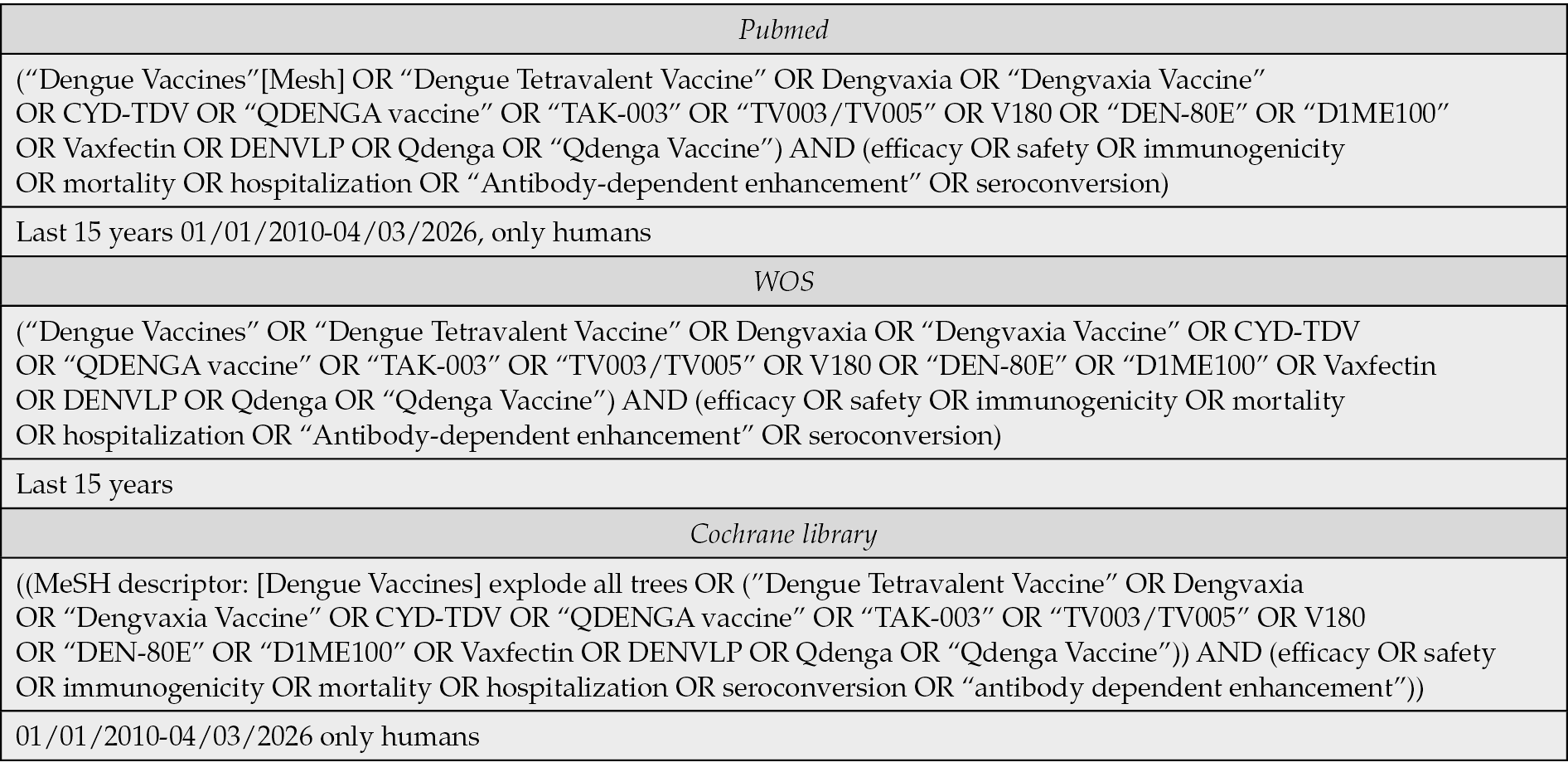
To retrieve potentially eligible articles, the electronic databases of PubMed, Web of Science, and Cochrane Library were searched. The search for all databases was performed on the same day (March 4th, 2026). A PubMed search string, consisting of Medical Subject Headings terms and free-text words, was first developed. Afterward, this search string was adjusted for use in the other electronic databases. The keywords used include “Dengue Vaccines”; “Dengue Tetravalent Vaccine”; Dengvaxia; “Dengvaxia Vaccine; Qdenga; Qdenga Vaccine;”. The search was restricted to “only humans” and to studies published in the last 15 years with no further restrictions in terms of country, setting or language. The full search strategy is reported in Supplementary Material 1.
Data selection
Studies identified from the research string were exported to Rayyan [18]. After duplicate removal, 6 reviewers (AC, SD, SC, MG, ML, GM), working separately in 3 groups, screened the articles based on titles and abstracts. After selecting the pertinent articles, these reviewers conducted a second round of screening separately, to read the full texts and decide on the final articles to include. Discrepancies in both screening phases were resolved by consulting a third person (DZ).
Data extraction
A dedicated module for data extraction was created, and the extracted data included:
General information: Author, Title, Publication year, Country, Study Design, Recruitment period.
Characteristics of the study population: age, sex, sample size, special population group, baseline serostatus
Vaccine characteristics: type, number of doses, route of administration, comparison.
Efficacy outcomes (vaccine and control group): Dengue cases, severe Dengue cases, Dengue-related hospitalization, Dengue-related mortality.
Safety outcomes: adverse events (any, serious, reason for withdrawal).
Immunogenicity: antibody-dependent enhancement, neutralizing antibody titers, cell-mediated immune response, seroconversion rates, seropositivity rates, immune response duration
Risk of bias/quality assessment
The risk of bias of all included studies was assessed using tools appropriate to each study design. The RoB 2 tool [19] was used for randomized controlled trials. For observational (case-control and cohort) studies the Newcastle-Ottawa Scale was used [20].
Statistical Analysis
Descriptive statistics were used to summarize study characteristics, population features, vaccines. When possible, quantitative synthesis was performed through random effect meta-analyses.
Meta-analyses
Vaccine efficacy estimates were pooled across studies evaluating the same vaccine and dosing regimen and reporting unique study populations. Studies that did not assess vaccine efficacy as a primary outcome were excluded, as they were not powered to detect differences in efficacy. For studies reporting efficacy separately by participant subgroups (e.g., baseline serostatus), subgroup data were aggregated to derive an overall efficacy estimate for inclusion in the meta-analysis.
Geometric mean titers (GMTs) were compared between vaccine and control groups using geometric mean ratios (GMRs). Log-transformed GMRs were calculated as the ratio of post-dose 3 GMT to baseline GMT in the vaccine group and in the corresponding control group.. Standard errors were derived from published 95% confidence intervals. Study-specific log GMRs were pooled using random-effects meta-analysis. GMR analyses were conducted separately for each dengue serotype (DENV-1 to DENV-4). Statistical heterogeneity was assessed using the I2 statistic. Studies with zero events in both arms were excluded from relative effect meta-analysis but included in descriptive synthesis. All analyses were conducted using STATA software (STATA/BE 15.0 for Windows, Stata Corp LP, College Station, TX).
RESULTS
Bibliographic Search
The search on the selected databases yielded a total of 2171 studies. After merging the records, 517 duplicate entries were identified and removed using Rayyan’s automatic deduplication feature (detecting articles with more than 95% similarity), followed by additional manual deduplication. Screening of titles and abstracts from the remaining records identified 271 studies for full-text analysis. Inclusion and exclusion criteria were then applied to these studies, resulting in the final selection of 79 studies for inclusion in the systematic review [21-99].
The entire selection process is summarized in Figure 1 (PRISMA Flowchart).
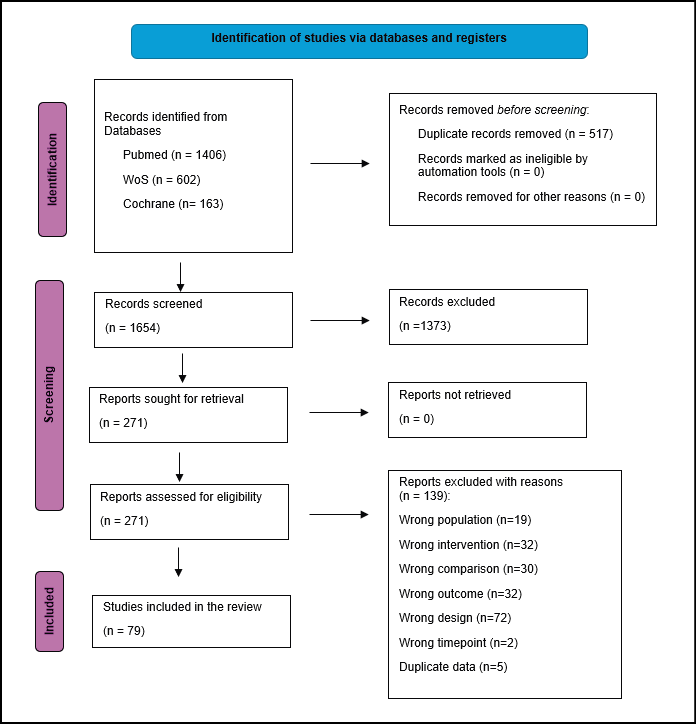
Figure 1 - Flow diagram of the selection process.
Quality assessment
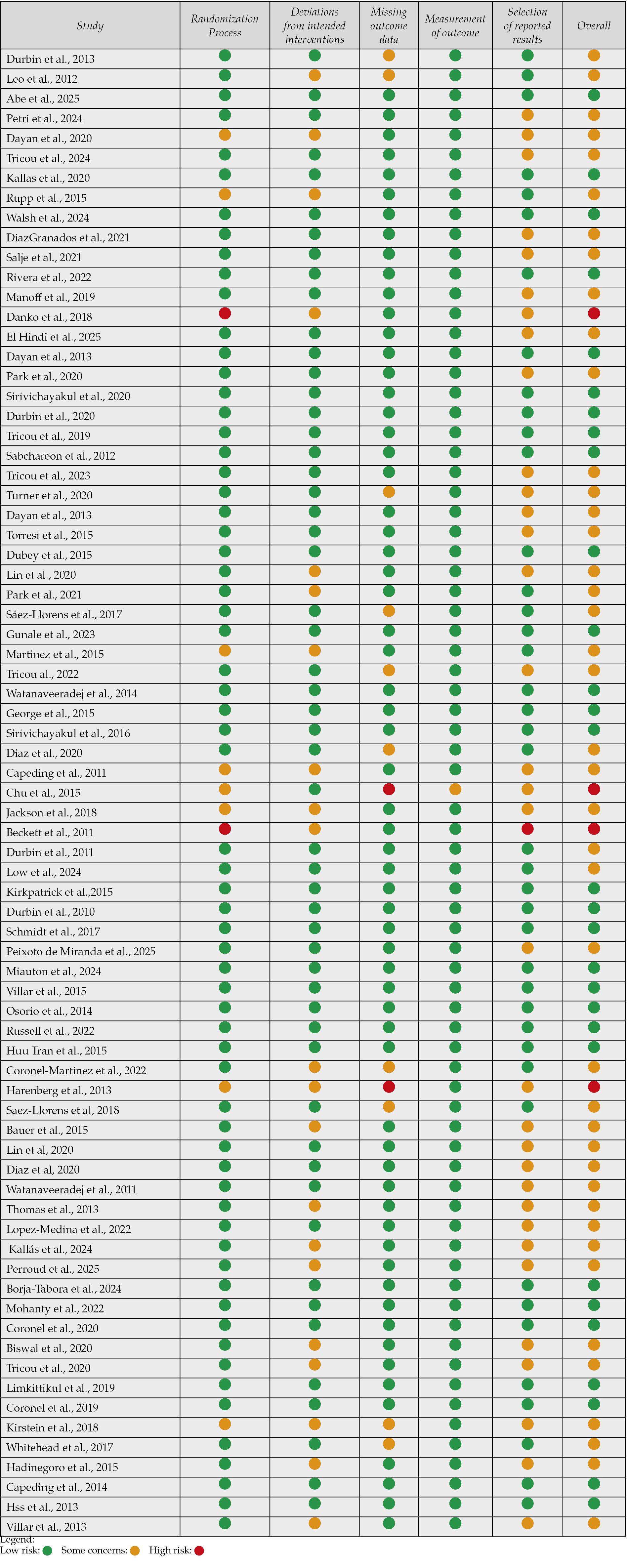
Among the randomized controlled trials (RCTs) included in the review, assessment using the RoB 2 tool indicated a low risk of bias in 29/75 trials, some concerns in 42/75 trials, and a high risk of bias in 4/75 trials. The four observational studies evaluated through NOS were all rated as high-quality studies. These studies demonstrated robust ascertainment of exposure and outcomes, appropriate matching of cases and controls, and adequate adjustment for potential confounding factors in the statistical analyses (Supplementary Material 2).
Study Characteristics and Included Population
This systematic review includes 79 studies (Table 1) published between 2010 and 2026. Phase II trials were the most common (30/79; 38%), followed by Phase I trials (23/79; 29.1%) and Phase III trials (19/79; 24.1%). Fewer Phase I/II hybrid trials (3/79; 3.8%) and observational studies (4/79; 5.1%) were included. Most studies were conducted in the United States of America (USA) (n=22), followed by Brazil and the Philippines (n=14 each). A substantial proportion of the evidence base also originated from countries in Southeast Asia and Latin America, particularly Singapore, Thailand, and Colombia (Figure 2).
Table 1 - Characteristics of the included studies.
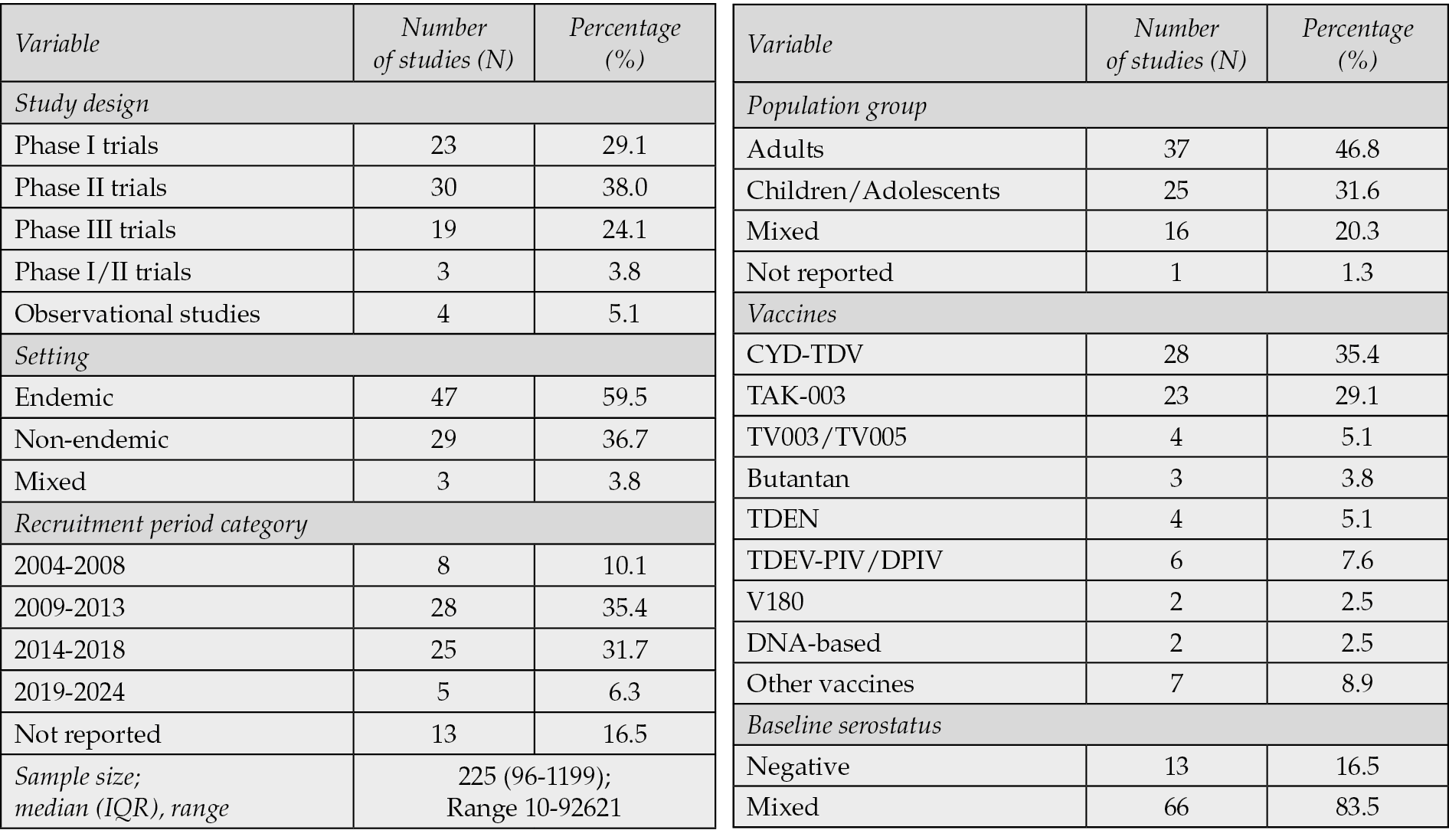
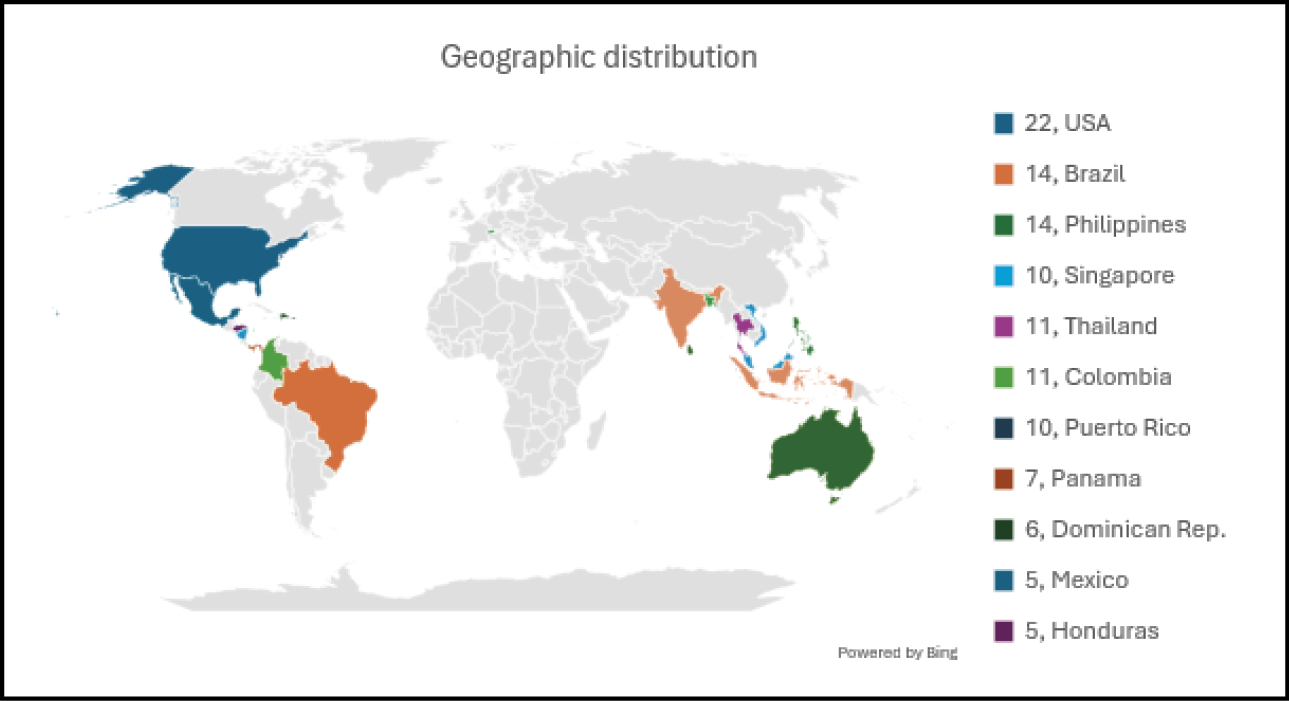
Figure 2 - Geographic distribution of the included studies. In order from the most represented country to the least: USA (22), Brazil (14), Philippines (14), Thailand (11), Colombia (11), Puerto Rico (10), Singapore (10), Panama (7), Dominican Republic (6), Mexico (5), Honduras (5), Australia (4), Sri Lanka (4), Vietnam (3), Malaysia (3), Nicaragua (3), India (2), Indonesia (2), Switzerland (1), Bangladesh (1). 4 studies did not specify the country. The sum exceeds 100% as many studies were conducted in more than one country.
Recruitment periods were reported for 66 of the 79 included studies (83.5%). Most studies started recruitment between 2009 and 2013 (n=28/79, 35.4%), followed by 2014-2018 (25/79, 31.7%). The latest reported recruitment completion date among completed studies was February 2023. Most of the studies were conducted in Dengue-endemic areas (47/79; 59.5%).
Adults were the most frequently studied population (n=37/79, 46.8%), followed by children/adolescents (n=25/79, 31.6%) and mixed-age populations (n=16/79, 20.3%).
Only one study[81] was conducted in people who live with HIV, all the others included the general population, often explicitly excluding immunocompromised and pregnant individuals.
Efficacy, safety and immunogenicity of the studied vaccines
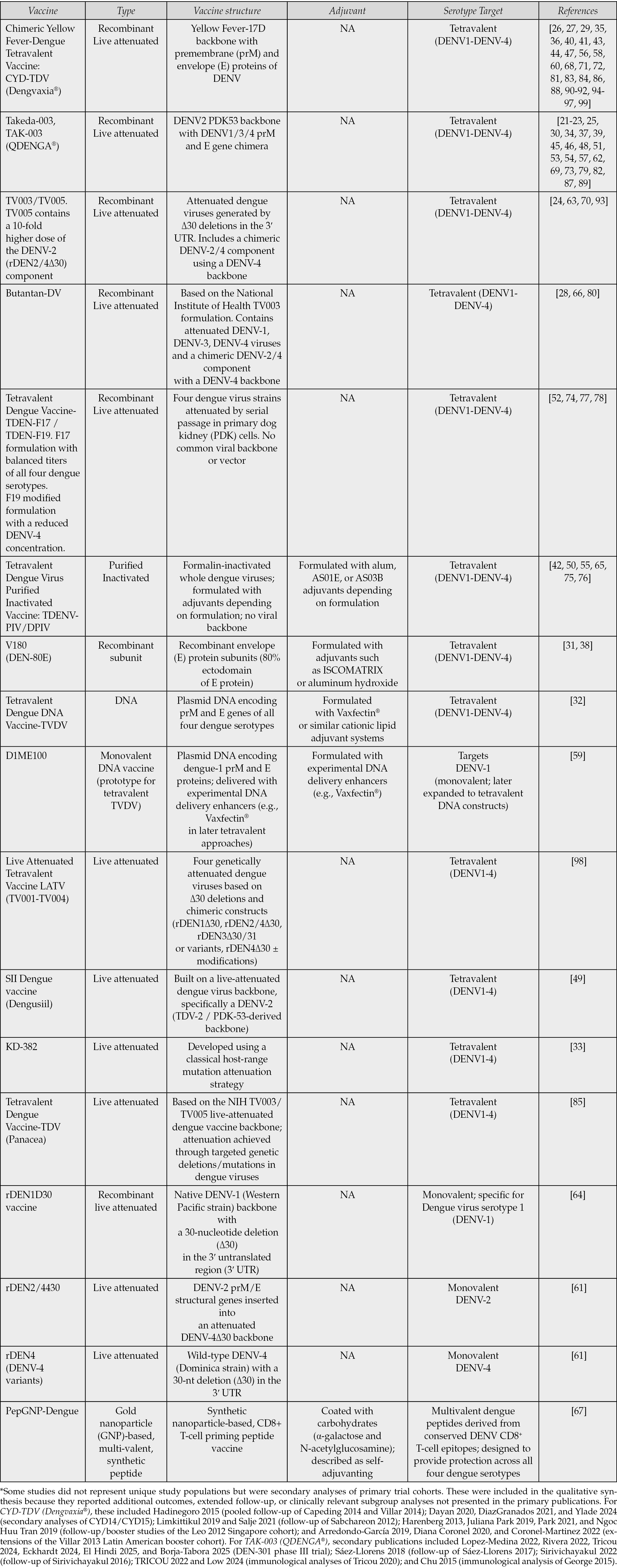
A comprehensive overview of all vaccines included in this review is presented in Table 2. The table summarizes the key characteristics of each vaccine, including its platform, structural design, target dengue virus serotypes, antigen composition, and the adjuvants or viral backbones used in its formulation, where applicable.
Table 2 - Characteristics of the vaccines studied in the included articles.
Live-attenuated Dengue vaccines
CYD-TDV(Dengvaxia®)
In total, 28 trials studied Chimeric Yellow Fever-Dengue Tetravalent Vaccine (CYD-TDV/Dengvaxia®) in different formulations. Most (22/28) used the three doses course at 0, 6 and 12 months. The others studied a booster dose after the primary course (4/28), or a single dose (2/28).
Efficacy
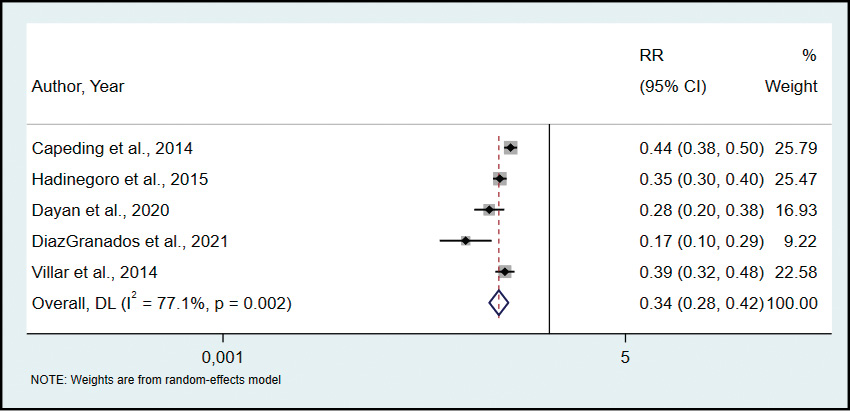
The pooled risk ratio (RR) for Dengue cases after 3 doses across three studies reporting unique study population (Figure 3) [40,56,68] was 0.45 (95%CI 0.38-0.53, I2=86.9%; p <0.001), corresponding to a vaccine efficacy of 55% (95%CI 47%-62). All participants included in the meta-analysis were children and adolescents aged 2-16 years. The studies enrolled populations with mixed baseline Dengue serostatus; however, most participants were seropositive at baseline. The other studies [22, 25, 86, 90] that reported efficacy were not included in the metanalysis as they reported data from the same populations as these three studies.
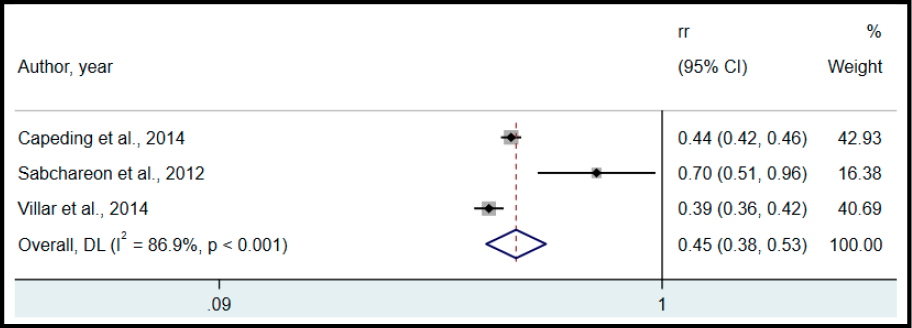
Figure 3 - Efficacy of the CYD-TDV vaccine in preventing Dengue cases.
Four studies reported vaccine efficacy against severe dengue. Capeding et al. reported a vaccine efficacy of 80.0% (95% CI, 52.7-92.4) after one or more doses, increasing to 88.5% (95% CI, 58.2-97.9) after completion of the three-dose schedule [56, 68, 90, 94]. The pooled analysis of the CYD14 and CYD15 trials estimated an efficacy of 85.0% (95% CI, 68.5-92.9). Villar et al. found vaccine efficacy of 95.5% (95% CI, 68.8-99.9) after the first dose and 91.7% (95% CI, 31.4-99.8) after the third dose. In contrast, Limkittikul et al. did not demonstrate a statistically significant reduction in severe dengue risk (RR=1.00, 95% CI, 0.31-3.75), with similarly inconclusive results in subgroup analyses of children aged <9 years (RR=1.16, 95% CI, 0.27-6.96) and ≥9 years (RR=0.77, 95% CI, 0.09-9.17), reflecting the small number of severe dengue cases [56, 68, 90, 94].
In the study by Ylade et al, assessing the effectiveness of a single dose of the CYD-TDV, no overall reduction in Dengue incidence was observed in the adjusted analysis (aHR 1.05, 95% CI 0.76-1.46), however, vaccination provided protection against hospitalization in individuals with a positive serology for multiple DENV serotypes (multitypic serological profile), with a reported vaccine effectiveness of 67% (95% CI 19-87) [83].
The other study that reported data on effectiveness was a case-control study, including individuals aged 9-45 years, reporting an overall non-significant vaccine effectiveness against any Dengue cases of 11.1% (95% CI −19.0 to 33.6%). Protection was highest against DENV-4 (VE 93.3%, 95% CI 47.7-99.2), moderate against DENV-1 (33.3%, 95% CI −5.0 to 57.6), and negative for DENV-2 (−56.7%, 95% CI −142.2 to −5.0) [84].
Data on dengue-related hospitalization were reported only by few studies. Across the CYD14, CYD15, and CYD57 trials, dengue-related hospitalization was uncommon in both the vaccine and control groups. Hospitalization rates ranged from 0.1% to 1.1% among vaccinated participants and from 0.2% to 1.1% among controls [94]. Among children aged 2-16 years, one study reported fewer hospitalizations among vaccinated participants than controls, both in monotypic (9 vs. 19 cases) and multitypic (3 vs. 8 cases) baseline serostatus groups [29]. Similarly, another study observed 18 hospitalizations among 1,790 vaccinated participants compared with 18 among 1,206 controls overall, with fewer hospitalizations in multitypic individuals receiving the vaccine (7/1,438 vs. 14/946) [83].
Across studies that reported data by age group and baseline serostatus, vaccine efficacy was consistently higher among participants who were seropositive at baseline and those aged ≥9 years. The study by Hadinegoro et al reported an efficacy of 78.2 (65.4-86.3) for participants seropositive at baseline and 38.1 (-3.4-62.9) for those seronegative [94]. The study by Dayan et al reported an efficacy of 75.2% (95% CI, 65.9, 81.9) for seropositive participants who had ≥9 years and 65.3% (95% CI, 40.2, 79.9) for seropositive <9 years post dose 3 [26]. Vaccine efficacy could not be demonstrated in seronegative participants aged ≥ 9 years or those aged < 9 years after any dose; 95% CIs were generally imprecise. In the study by Limkittikul et al the RR in participants <9 years was 0.99 (0.69-1.43, while in those ≥9 years RR was 0.42 (0.24-0.75), demonstrating a significant efficacy of the vaccine only in the ≥9 years group [90]. In the study by Ylade et al a single dose of CYD-TDV did not protect against virologically confirmed Dengue in children who were DENV-naïve or had a monotypic serological profile at baseline [83]. Limited evidence suggested protection against Dengue-related hospitalization among children with a multitypic profile, but not against other Dengue outcomes.
Safety
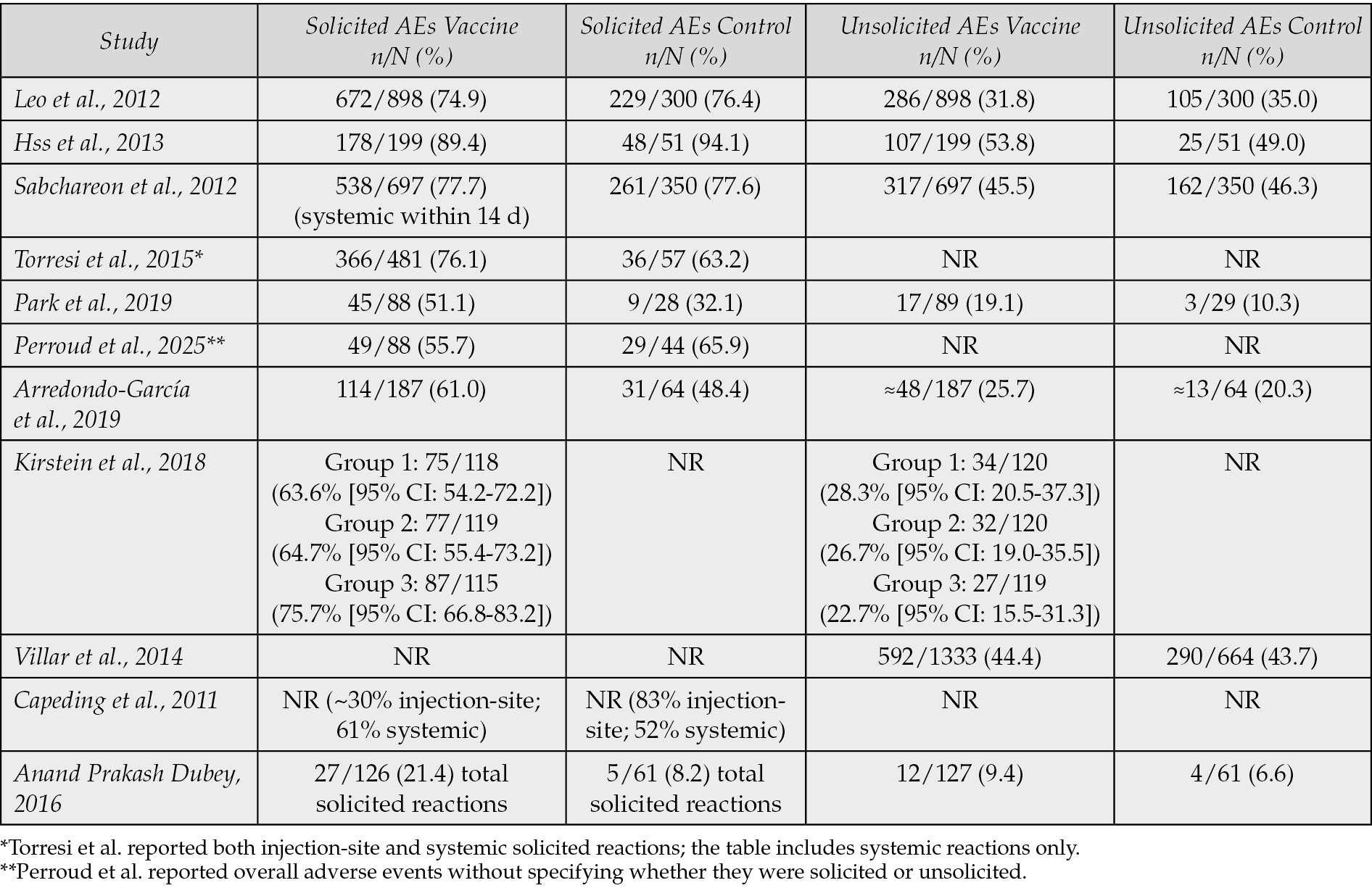
AE occurring within 14-28 days of CYD-TDV vaccination were reported in most studies, generally mild to moderate (Supplementary Material 3). Across the included studies, solicited adverse events were consistently common in both vaccine and control groups, generally ranging from 50% to 90% depending on study design and population. Similar rates were reported in the phase II trials by Leo et al., Hss et al., and Sabchareon et al., as well as in later studies [47, 81, 91, 92], with most events being mild and transient [40, 96, 99]. Further studies additionally highlighted higher frequencies of injection-site and systemic reactions in vaccine recipients compared with controls, although patterns varied by outcome definition and follow-up period [43, 56]. Unsolicited adverse events were generally less frequent and broadly comparable between groups [36, 40, 81, 91, 96, 97, 99]. Dayan et al. reported consistent ranges of vaccine-related adverse reactions across multiple vaccine formulations, and Kirstein et al. showed comparable patterns across dosing groups [30, 35, 92]. The incidence of serious adverse events was consistently low across studies, occurring in fewer than 5% of participants, with no clear excess among vaccinated individuals. Furthermore, withdrawals due to adverse events were rare, generally affecting less than 1% of participants.
Immunogenicity
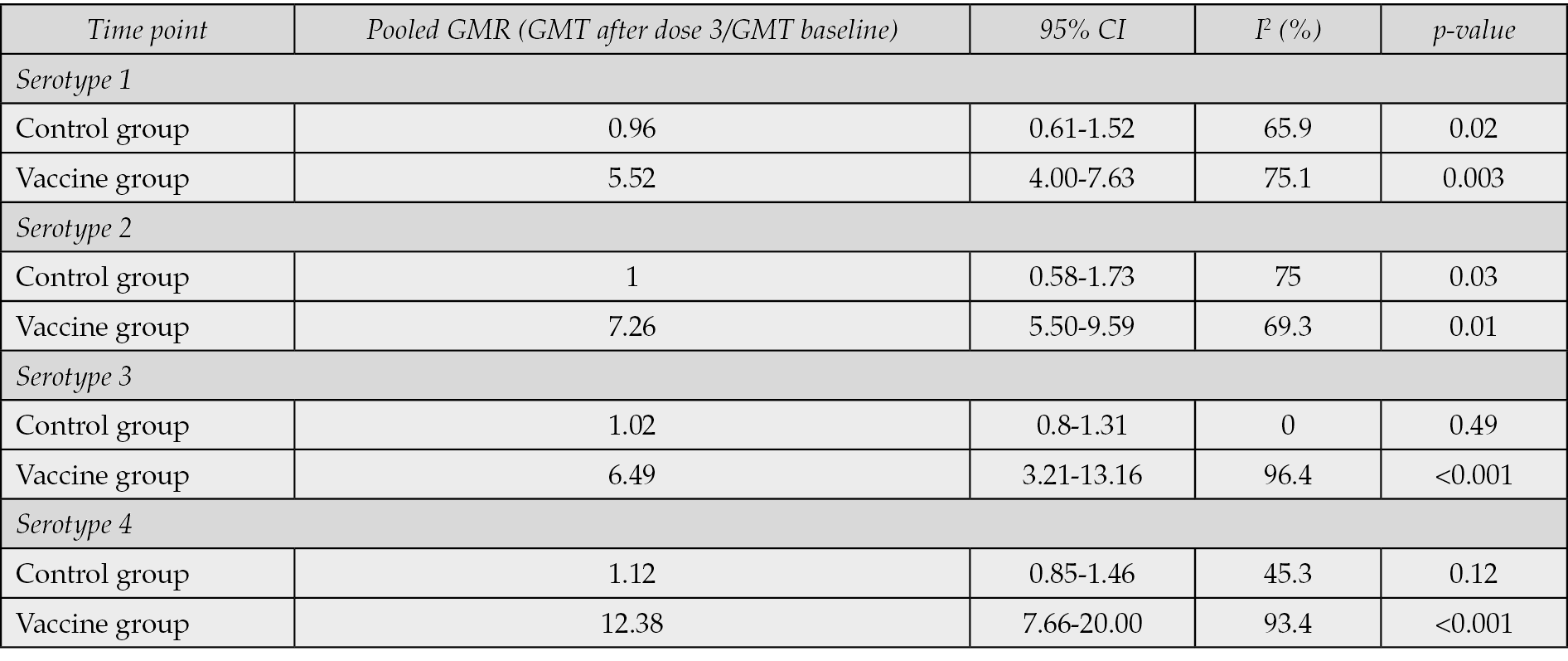
A total of five studies [40,44,96,97,99]reporting neutralizing antibodies GMTs at baseline and 28 days after the third vaccine dose of CYD-TDV in both vaccine and control groups were included in a meta-analysis. All studies were conducted in Dengue-endemic settings, used PRNT50 assay and the study populations primarily consisted of children, with only one study including adults.
The pooled geometric mean ratios (GMRs) demonstrated substantial increases in neutralizing antibody titers following vaccination across all four Dengue serotypes. In the vaccine groups, GMTs increased by 5.52-fold for DENV-1, 7.26-fold for DENV-2, 6.49-fold for DENV-3, and 12.38-fold for DENV-4 compared with baseline levels. In contrast, no statistically significant increase in GMTs was observed in control groups for any serotype (Table 3).
Table 3 - Pooled geometric mean ratios (GMRs) from baseline to dose 3 in vaccine and control groups.
CMI
CMI was evaluated in a limited number (4) of studies and consistently demonstrated the induction of durable Dengue-specific T-cell responses following vaccination [47, 71, 72, 88]. Overall, the immune response was characterized by a predominance of Type 1 T helper cells (Th1)/ Type 1 cytotoxic T cells (Tc1)-type immunity, with interferon-gamma (IFN-γ) identified as the principal cytokine produced by antigen-specific T cells. Robust CD8+ T-cell responses directed against the Yellow Fever 17D Non Structural 3 backbone, characterized by strong IFN-γ secretion was reported. Following booster vaccination, YF17D NS3-specific CD8+ T-cell responses increased substantially and displayed an effector memory phenotype at day 28, evolving into a terminally differentiated memory phenotype by month 12. In contrast, CD4+ T-cell responses were generally less pronounced in these analyses.
Long-term follow-up data demonstrated the persistence of CYD-TDV vaccine-induced cellular immunity. In the Singapore cohort, Dengue-specific CD4+ and CD8+ T-cell responses producing IFN-γ, tumour necrosis factor-alpha (TNF-α), interleukin-2 (IL-2), and interleukin-13 (IL-13) remained detectable and generally stable from one to four years after completion of the three-dose schedule. Interleukin-5 (IL-5) responses were negligible or undetectable. Cellular responses appeared strongest against DENV-2 and comparatively weaker against DENV-1.
Evidence of CYD-TDV vaccine-induced immune memory was also supported by B-cell analyses. Among seronegative participants, CYD-specific memory B cells increased approximately five-fold from baseline to one year after the final vaccination, whereas seropositive individuals exhibited more modest increases of approximately 1.4-fold over the same period.
TAK-003 (QDENGA®)
A total of 23 articles reported outcomes on the Takeda/TAK-003 (QDENGA®) vaccine. These were mainly phase II trials (9/23), followed by phase III (8/23), phase I (5/23) and 1 observational study, the majority conducted in endemic settings (15/23) and including children/adolescents (13/23).
Efficacy
A meta-analysis of vaccine efficacy was not undertaken because the available studies were not sufficiently independent or methodologically comparable. Of the five studies considered for quantitative synthesis, three publications reported different analyses or follow-up periods from the same phase 3 DEN-301/TIDES trial, reporting an efficacy ranging from 61% to 73% [22, 23, 30, 34, 51, 75, 79]. Ranzani et al. reported an effectiveness of 61.7% (95% CI 39.9-75.6) using a test-negative case-control design, making it methodologically incompatible for meta-analysis with the clinical trial data. Tricou et al. reported phase 2 cell-mediated immunogenicity outcomes and did not provide efficacy estimates or risk ratios suitable for pooling [22, 23, 34, 51, 79]. All studies were conducted in children and adolescents living in Dengue-endemic settings and enrolled both seropositive and seronegative participants at baseline. Follow-up durations varied considerably across studies, ranging from approximately 15 months to nearly 5 years after vaccination.
The study by Borja et al evaluated the long-term efficacy of the TAK-003 vaccine and reported vaccine efficacies against virologically confirmed Dengue of 43.5% in children aged 4-5 years, 63.5% in children aged 6-11 years, and 67.7% in adolescents aged 12-16 years at 57 months after vaccination [82]. Biswal et al. reported an overall vaccine efficacy of 80.2% (95% CI 73.3%-85.3%) approximately 11 months following completion of the two-dose schedule [87].
The remaining three studies that reported efficacy assessed alternative vaccination strategies. Eckhardt et al. evaluated a single-dose regimen and reported a vaccine efficacy of 82.1% (95% CI 66.2%-90.5%) three months after vaccination in both seropositive and seronegative children at baseline [25]. Two additional studies [48, 89]compared different dosing schedules, including single-dose, two-dose, and single-dose plus booster regimens reporting comparable efficacy estimates.
Across studies reporting outcomes by baseline serostatus and age, vaccine efficacy was consistently observed in both seropositive and seronegative participants, although estimates were generally higher among seropositive participants at baseline. Vaccine efficacy in seropositive individuals ranged from 74.8% to 76.1%, compared with 66.2% to 67.0% in seronegative individuals [79, 82, 87]. Similarly, protection against hospitalized Dengue was high regardless of baseline serostatus, with efficacy estimates of approximately 87%-90% in the study by López-Medina [79].
Age-stratified analyses demonstrated a trend toward greater vaccine efficacy in older children and adolescents. In the study by Lopez-Medina et al., efficacy was substantially higher among participants aged 6-11 years (75.4%) and 12-16 years (76.8%) than among those aged 4-5 years (55.9%) [79]. A similar age-related pattern was reported by Borja et al., where vaccine efficacy against virologically confirmed Dengue increased from 43.5% in children aged 4-5 years to 63.5% in those aged 6-11 years and 67.7% in adolescents aged 12-16 years [82].
Safety
Across TAK-003 studies, AE rates were generally similar between vaccine and control groups, supporting a favourable safety profile. Overall, AE rates ranged from 22.5% to 47.4% among vaccine recipients, depending on the study and vaccination schedule [45, 46, 48, 73]. Turner et al. reported AE rates of 40.1%-47.4%, while Tricou et al. observed unsolicited AE in 22.5% of vaccine recipients compared with 18.3% of controls. Lopez-Medina et al. found low frequencies of AE in both groups, occurring in 2% of vaccinated participants and 2.3% of controls [79].
Reactogenicity was common but generally mild. Biswal et al. reported solicited local reactions in approximately 48.3% of vaccine recipients after the first dose compared with 14.1% among controls, while systemic symptoms occurred in approximately 40% and 36.7% of participants, respectively [87]. Likewise, Tricou et al. [39] found vaccine-related unsolicited adverse events in approximately 2-3% of vaccine recipients, whereas local reactogenicity was lower in controls and systemic symptoms occurred at similar frequencies in both groups. Sirivichayakul et al. reported overall adverse event rates of 69.5% in the vaccine group and 73.0% in the placebo group, indicating no meaningful difference between groups [37].
Osorio et al. observed solicited systemic AE in 86% of vaccinated participants compared with 76% of controls, while local reactions were reported in 85% and 29% of participants, respectively [69]. George et al. found substantially higher rates of local reactogenicity among vaccine recipients than controls, with erythema and induration reported in all vaccinated participants and pain and pruritus occurring in approximately two-thirds [53]. Jackson et al. (2018) similarly reported high frequencies of solicited local adverse events (88.9-100%) and systemic adverse events (27-59%) following vaccination, compared with lower rates among placebo recipients [58].
Immunogenicity
Conducting a meta-analysis of TAK-003 studies was not possible as most of the studies did not report the values of GMTs at baseline. In the phase II study by Sáez-Llorens et al., two-dose recipients developed variable neutralizing antibody titers six months after vaccination, depending on serotype, compared with substantially lower titers in placebo recipients (24-86 across serotypes) [48]. Similar findings were reported by Tricou et al., where all three vaccine lots elicited comparable immune responses, whereas placebo recipients maintained titers close to baseline (approximately 5-8 for all serotypes) [46]. Sirivichayakul et al. likewise reported strong post-vaccination GMTs. Several studies highlighted the influence of baseline serostatus on vaccine-induced immunity [37]. Lopez-Medina et al. demonstrated that vaccinated participants achieved markedly higher GMTs than controls regardless of baseline serostatus, although responses were generally stronger among those who were seropositive before vaccination [79]. Similarly, Sirivichayakul et al. demonstrated persistence of antibody responses up to 36 months after the second dose, with GMTs remaining substantially higher in vaccinated participants than in controls, especially among those who were seropositive at baseline [37]. Biswal et al. reported consolidation and peak antibody responses one month after the second dose, with GMTs in baseline seronegative participants reaching approximately 200-300 (1/dil) for DENV-1, over 1,000 for DENV-2, 150-200 for DENV-3, and 40-80 for DENV-4, while control participants remained near baseline levels [87]. Other studies [22, 45, 53, 82] similarly observed substantial increases in neutralizing antibodies against all serotypes, whereas titers in controls remained below 10.
CMI
Three studies evaluated CMI responses following TAK-003 vaccination and consistently demonstrated the induction of robust T-cell responses directed against Dengue virus non-structural (NS) proteins derived from the vaccine’s DENV-2 backbone [51, 57, 87]. A marked increase in both CD4+ and CD8+ T-cell responders after vaccination was reported, with the proportion of CD4+ responders increasing from 5.5% (3/55) at baseline to 58.2% (32/55) at day 91, while CD8+ responders increased from 36.4% (20/55) to 81.8% (45/55). Chu et al demonstrated durable antigen-specific CD8+ T-cell responses characterized predominantly by IFN-γ and TNF-α production following NS1, NS3, and NS5 protein stimulation. IFN-γ-positive CD8+ T-cell responses peaked around Day 90, particularly against NS3, where responses reached up to 2.0%, and remained detectable through Day 270, indicating persistence of cellular immunity for at least nine months after vaccination. TNF-α-producing CD8+ T-cell responses followed a similar pattern, whereas IL-2 responses remained low across all time points.
TV003/TV005 (V181)
Three phase I and one phase II clinical trials evaluated the safety and immunogenicity of the live-attenuated tetravalent Dengue vaccines TV003/TV005 in Dengue-endemic and non-endemic settings. Three studies included only adults, while 1 had a mixed population [24, 63, 70, 93].
Walsh et al. assessed a single subcutaneous dose of TV005 or placebo. Approximately one-third of participants were seropositive at baseline for DENV-1 to DENV-3, while only 8% were seropositive for DENV-4 [24]. No Dengue cases, severe Dengue, hospitalizations, or deaths were reported among vaccine recipients during follow-up. The vaccine had high seroconversion rates (70%-99%) and seropositivity rates of 83%-99% across all serotypes three years after vaccination. Adverse events were generally mild.
Whitehead et al. evaluated two doses of TV003 administered six months apart or placebo. No Dengue cases or vaccine-related serious adverse events were observed through day 270 after vaccination. Following a single vaccine dose, 87% of recipients developed a tetravalent neutralizing antibody response, whereas administration of a second dose did not significantly boost antibody titers [93]. The vaccine was generally well tolerated.
Kirkpatrick et al. assessed TV003 or TV005 in a two-dose schedule administered six months apart. Both vaccine formulations elicited robust and balanced neutralizing antibody responses against all four Dengue serotypes after a single dose [63]. Tetravalent seroconversion rates reached 74% for TV003 and 90% for TV005, with only minimal additional immunological benefit observed after the second dose. Both vaccines exhibited favorable safety profiles. No vaccine-related serious adverse events were identified.
Russell et al. assessed TV003, TV005, vs placebo in a two-dose schedule administered six months apart [70]. Safety and immunogenicity were evaluated over 530 days. Both vaccines induced strong neutralizing antibody responses, particularly after the first dose, with the highest geometric mean fold rises against DENV-2. Seropositivity rates ranged from 94% to 100% across serotypes in flavivirus-experienced participants. Likewise to previous studies, the second vaccine dose provided minimal additional boosting of antibody responses. The vaccines were generally well tolerated, with no evidence of antibody-dependent enhancement or other significant safety concerns.
Butantan Vaccine
Three studies evaluated the live-attenuated tetravalent Butantan-DV Dengue vaccine in Brazil, including one phase II trial and two phase III trials [28, 66, 80].
Kallás et al. evaluated the Butantan vaccine as either a single dose or two-dose schedule given six months apart [28]. Half of vaccine recipients were seropositive at baseline. No Dengue-related hospitalizations, severe Dengue cases, deaths, serious adverse events, or withdrawals due to AE were reported. Immunogenicity analyses demonstrated substantial increases in neutralizing antibody titers against all four Dengue serotypes, particularly among previously Dengue-exposed participants. Robust cell-mediated immune responses were also observed, with antigen-specific IFN-γ-producing CD8+ T-cell responses detected in 94% of vaccine recipients at day 91. Seroconversion rates ranged from 76% to 92% across serotypes among Dengue-naïve participants and from 77% to 82% among Dengue-exposed participants.
Kallás et al. reported data for a single subcutaneous dose of Butantan-DV among children, adolescents, and adults, with mixed baseline serostatus [80]. The vaccine efficacy was 79.6% (95% CI 70.0-86.3), higher among baseline seropositive participants (89.2%) but remained substantial among seronegative participants (73.6%). AE were reported in 69.6% of vaccine recipients and 60.2% of placebo recipients, whereas serious adverse events were rare (0.2% and 0.1%, respectively).
Miranda et al. randomized participants to receive a single dose of three vaccine manufacturing lots or placebo [66]. The population was predominantly Dengue-naïve (86.7%). At day 28 marked increases of neutralizing antibody responses against all four Dengue serotypes was demonstrated, with GMTs around 182 (1/dil) for DENV-1 and DENV-3 across vaccine lots, compared to 12-18 in placebo recipients. Seropositivity rates at day 28 reached 90.8% among vaccine recipients compared with 76% in the placebo group.
TDEN
Across four clinical trials conducted in endemic and non-endemic settings, live-attenuated tetravalent Dengue vaccines (TDEN formulations F17 and F19) were evaluated in children, adolescents, and adults, using two subcutaneous doses administered 6 months apart, and follow-up ranging from 1 to 12 months post-vaccination [52, 74, 77, 78]. Bauer et al. evaluated TDEN (F17 and F19 formulations) administered in two doses at 0 and 6 months [74]. Baseline seropositivity to at least one serotype was 52% in the vaccine group and 57.7% in placebo. Tetravalent responses after dose 2 ranged from ~75% to 87% depending on formulation and baseline serostatus and was higher in primed compared with unprimed participants. Solicited AE occurring in roughly 70% of vaccine recipients. Serious adverse events and withdrawals were rare and not clearly vaccine related. Watanaveeradej et al., also, evaluated two subcutaneous doses at 0 and 6 months, compared against control vaccines (Varilrix and Hiberix) among Dengue-naïve participants [77]. Immunogenicity was modest but serotype-dependent, with high seroconversion for DENV-2 and DENV-4. A tetravalent response was achieved in about half of participants after dose 2. The vaccine was generally well tolerated. Neutralizing antibody responses persisted for up to 1 year post-vaccination. Thomas et al. evaluated two doses at 0 and 6 months, with a subset receiving a third dose later, among mixed baseline serostatus participants [78]. Immunogenicity was moderate overall, with the strongest antibody responses against DENV-2. Tetravalent responses after dose 2 ranged from ~60% to 71%. Reactogenicity was generally mild to moderate. Four serious adverse events occurred but were not vaccine-related. Finally, Watanaveeradej et al. evaluated two subcutaneous doses at a 6-month interval among mostly flavivirus-primed participants (~90%). The vaccine induced strong neutralizing antibody responses across all four Dengue serotypes [52]. Nearly all vaccinated individuals seroconverted after dose 2, particularly for DENV-2. Reactogenicity was common but mostly mild (pain, fatigue, headache, fever), and rates were higher in vaccine groups than placebo. No serious vaccine-related adverse events, withdrawals due to safety, or evidence of antibody-dependent enhancement were reported.
Inactivated Dengue Vaccines
TDEV- PIV/ DPIV
Six Phase I clinical trials involving 540 adults reported data on Tetravalent Dengue Virus Purified Inactivated Vaccine (TDEV- PIV or - DPIV), four in non-endemic and two in endemic settings [42, 50, 55, 65, 75, 76] .
Lin et al. 2021 compared Tetravalent Dengue Live-Attenuated Virus (TDENV-LAV) with a purified inactivated tetravalent Dengue vaccine (TDENV-PIV) in 80 healthy flavivirus-naïve adults [42]. Participants were randomized to receive LAV→PIV or PIV→LAV schedules with 28- or 180-day intervals. The PIV→LAV regimens produced the highest neutralizing antibody titers and achieved 100% tetravalent seroconversion. Both schedules were well tolerated and induced durable humoral and cellular immune responses up to 180 days after the second dose. Martinez et al. evaluated a monovalent Dengue virus serotype 1 purified inactivated vaccine (DENV-1 PIV) (low-dose (2.5 μg) vs high-dose (5.0 μg)) administered on days 0 and 28 [50]. Both dose formulations were well tolerated and induced robust neutralizing antibody responses, with 100% seroconversion two weeks after the second vaccination. Lin et al. evaluated different schedules of an AS03B-adjuvanted tetravalent purified inactivated Dengue vaccine [75]. A total of 140 participants were assigned to receive either two doses at months 0 and 1, two doses at months 0 and 3, or three doses at months 0, 1, and 6. The three-dose schedule produced the highest neutralizing antibody titers and durable tetravalent immune responses. Safety outcomes were comparable across groups. Diaz et al., 2018 evaluated a tetravalent purified inactivated Dengue vaccine formulated with alum, AS01E, or AS03B adjuvants in 100 healthy adults who received two doses 28 days apart [76]. The vaccine was well tolerated, and formulations containing AS01E or AS03B elicited substantially higher neutralizing antibody responses than the alum-adjuvanted formulation, for up to 12 months. Schmidt et al., 2017 evaluated four formulations of a tetravalent purified inactivated Dengue vaccine in flavivirus-naïve adults (1 μg alum-adjuvanted vaccine, 4 μg alum-adjuvanted vaccine, 1 μg AS01E-adjuvanted vaccine, 1 μg AS03B-adjuvanted vaccine, or placebo) [65]. The study demonstrated favorable safety and reactogenicity profiles, with the AS01E and AS03B formulations producing the strongest neutralizing antibody responses and tetravalent seropositivity rates up to 13 months. Diaz et al., 2020 randomized 100 healthy adults to receive one of four vaccine formulations (1 μg alum, 4 μg alum, 1 μg AS01E, or 1 μg AS03B) or placebo administered as two doses one month apart [55]. Participants were followed for three years. No vaccine-related serious safety concerns were identified, and neutralizing antibodies remained above baseline levels for up to three years, particularly among participants receiving adjuvanted formulations.
Subunit Dengue vaccines
V180 (DEN-80E)
Two studies evaluated the subunit vaccine V180 [31, 38]. In the study by Durbin et al. participants previously vaccinated with a live-attenuated tetravalent Dengue vaccine received a single booster dose of the recombinant subunit vaccine V180 (with or without Alhydrogel) or placebo [38]. V180 was well tolerated and induced increased neutralizing antibody titers against all four Dengue serotypes, for up to six months. Manoff et al. conducted a Phase I trial in Australia involving 98 flavivirus-naïve adults, who received three doses of the recombinant subunit vaccine V180 formulated with different adjuvants or placebo [31]. The vaccine showed an acceptable safety profile and elicited robust neutralizing antibody responses, particularly in ISCOMATRIX-adjuvanted groups, with seroconversion rates exceeding 85% for all four Dengue serotypes and immune responses persisting for up to one year.
DNA-based Dengue vaccines
TVDV, DIME100
Danko et al. conducted a Phase I open-label trial in the United States involving 40 flavivirus-naïve adults aged 18-50 years evaluating a tetravalent Dengue DNA vaccine (TVDV), administered with or without the cationic lipid adjuvant Vaxfectin® [32]. Participants received three intramuscular doses and were followed for 270 days. The vaccine was well tolerated and induced robust IFN-γ T-cell responses (50-79% of participants), although neutralizing antibody responses were limited, with only two participants in the adjuvanted groups developing detectable tetravalent neutralizing activity. Beckett et al. conducted a Phase I open-label, dose-escalation trial in the United States to assess the safety and immunogenicity of the monovalent DENV-1 DNA vaccine (D1ME100) in 22 flavivirus-naïve adults [59]. Participants received three intramuscular doses at months 0, 1, and 5 and were followed for approximately 11 months. The vaccine demonstrated a favorable safety profile and induced dose-dependent immune responses, with neutralizing antibody seroconversion observed in 41.6% of participants receiving the high-dose formulation and IFN-γ T-cell responses detected in 83.3% of high-dose recipients.
Other Dengue vaccines
Durbin et al. evaluated a single dose of four formulations of a live-attenuated tetravalent Dengue vaccine (LATV: TV001, TV002, TV003, and TV004), enrolling 112 healthy flavivirus-naïve adults [98]. The vaccine was generally well tolerated 28 days post vaccination and all formulations induced neutralizing antibody responses, variable across serotypes and vaccine constructs. Similarly, Gunale et al. tested a single dose of a tetravalent live-attenuated Dengue vaccine (SII Dengue vaccine, Dengusiil) [49]. The vaccine demonstrated an acceptable safety profile, with no vaccine-related serious adverse events reported and induced measurable neutralizing antibody responses across all four Dengue virus serotypes. By day 85, seropositivity 80-100% depending on serotype. Mohanty et al. assessed a single dose of Panacea Biotec live-attenuated tetravalent Dengue vaccine (TDV) [85]. The vaccine demonstrated an acceptable safety profile, with no serious safety concerns reported. Immunogenicity results showed robust neutralizing antibody responses across all four serotypes.
More recently, Abe et al. evaluated KD-382, another next-generation tetravalent live-attenuated Dengue vaccine candidate administered either as a single dose or in a two-dose regimen [33]. Reactogenicity was common but generally mild to moderate. No vaccine-related serious adverse events were reported. Immunogenicity analysis demonstrated strong neutralizing antibody responses against all four Dengue virus serotypes and 100% seroconversion throughout the 12-month follow-up period.
In addition to tetravalent formulations, earlier studies also evaluated monovalent live-attenuated Dengue vaccines. Durbin et al. (2011) investigated the recombinant attenuated DENV-1 vaccine rDEN1D30, while Durbin et al. (2010) assessed multiple monotypic live-attenuated Dengue vaccine strains, including rDEN1Δ30, rDEN2/4Δ30, and related variants [61, 64].
Finally, Miauton et al. evaluated a synthetic nanoparticle-based peptide vaccine (PepGNP-Dengue) designed to induce Dengue-specific CD8+ T-cell responses [67]. The vaccine was generally safe, with mostly mild and transient adverse events. It did not induce meaningful neutralizing antibody responses, with only one participant showing any detectable humoral response, however there was significant CD8+ T-cell activation, including increases in activated and memory T-cell subsets.
DISCUSSION
This systematic review and meta-analysis aimed to provide a comprehensive, up-to-date synthesis of randomized and observational evidence on the effectiveness, safety, and immunogenicity of Dengue vaccines. The review included a total of 79 articles, with a predominance of Phase I and II trials reflecting the ongoing development and evaluation of Dengue vaccines, with relatively fewer studies progressing to large-scale Phase III trials or post-licensure observational assessments. The geographical distribution of studies highlights substantial research activity in both Dengue-endemic regions, such as Brazil, the Philippines, Thailand, Singapore, and Colombia, and non-endemic settings, particularly the United States. While the inclusion of endemic countries enhances the relevance of findings to populations at greatest risk of Dengue infection, the concentration of early-phase studies and limited real-world evidence underscore the need for additional large-scale effectiveness and safety studies across diverse epidemiological settings.
Most trials excluded pregnant, elderly and immunocompromised individuals, hence there is insufficient evidence regarding the safety, immunogenicity, and effectiveness of Dengue vaccines in these populations. This represents an important knowledge gap, as both groups may be particularly vulnerable to adverse health outcomes and could potentially benefit from effective Dengue prevention strategies.
The most studied vaccines were CYD-TDV, followed by TAK-003.The meta-analysis of three studies among children and adolescents with mixed baseline Dengue serostatus showed an effectiveness of CYD-TDV vaccine of 55% (95%CI 47%-62%) [40, 56, 68]. Subgroup analyses based on age and baseline serostatus could not be performed because only a limited number of studies reported these data in a sufficiently detailed manner. Consequently, the available evidence was summarized descriptively. These four studies reported consistently a higher effectiveness of the vaccine in baseline seropositive participants aged >9 years old [26, 83, 90, 94].
The included studies indicate that CYD-TDV Dengue vaccine is generally well tolerated, with most adverse events being mild to moderate and occurring at comparable rates in vaccine and control groups. Solicited reactions were common, particularly local and systemic symptoms shortly after vaccination, whereas unsolicited adverse events were less frequent and did not consistently differ between groups. Because of the limited availability of data and substantial heterogeneity in the reporting of adverse events, including differences in definitions (any AE, solicited, unsolicited, and injection-site reactions), follow-up durations, and vaccination schedule, a quantitative synthesis of safety outcomes was not feasible.
In the CYD-TDV vaccine groups, GMTs increased from 5.52-fold to 12.38-fold based on the serotype [40, 44, 96, 97, 99], while the control groups did not have significant increase, indicating that the rise in antibody titers was attributable to vaccination rather than to pre-existing differences in baseline immunity or natural fluctuations in antibody levels over time. Furthermore, the vaccine induced durable cellular and humoral immune memory, characterized by persistent IFN-γ-dominated T-cell responses, polyfunctional CD8+ T-cell activation, and long-lasting memory B-cell responses that remain detectable throughout follow-up [47, 71, 72, 88].
The CYD-TDV vaccine is reported to be effective only in baseline seropositive individuals aged 9 to 16 years, since it carries a risk of severe Dengue in seronegative individuals, particularly in children under 9 years, resulting in higher severe cases and hospitalization rates [100]. This could be explained by the antibody-dependent enhancement (ADE), which occurs when non-neutralizing antibodies allow a virus to enter host cells, increasing viral load. Studies indicate that antibodies targeting the envelope protein domain III (EDIII) may provide effective neutralization while minimizing the risk of ADE [101]. Conversely, those targeting the pre-membrane (prM) and fusion loop epitope (FLE) regions have been associated with an increased risk of ADE [13, 102].
As for the TAK-003 vaccine, it showed a generally favourable effect, with substantial variability in follow-up duration, ranging from approximately 15 months to nearly 5 years, likely contributed to heterogeneity of the studies [22, 23, 34, 51, 79]. Longer follow-up periods may capture waning immunity or changes in exposure risk over time, whereas shorter follow-up may overestimate early protection. Two studies reported higher efficacy in older children (>6 years with respect to those 4-5 years) [79, 82]. As for the safety profile, TAK-003 Dengue vaccines were generally well tolerated, with most adverse events being mild to moderate and consisting primarily of local injection-site reactions and transient systemic symptoms.
Overall, the included studies consistently demonstrated that TAK-003 induced robust neutralizing antibody responses against all four Dengue virus serotypes, with substantially higher GMTs in vaccinated participants than in control groups. Antibody responses were generally strongest against DENV-2, reflecting the vaccine’s attenuated DENV-2 backbone, while responses against DENV-1, DENV-3, and DENV-4 were also sustained and remained above baseline levels following the second vaccine dose. When data was available, the studies showed that TAK-003 induces strong and sustained cellular immune responses, particularly CD8+ T-cell responses targeting conserved Dengue non-structural proteins, which may contribute to long-term protection beyond that conferred by neutralizing antibodies alone [51, 57, 87]. Based on the available follow-up, no safety signal suggestive of ADE or other major safety concerns was detected
The phase I and II trials evaluating the live-attenuated tetravalent Dengue vaccine candidates TV003 and TV005, consistently demonstrate favourable safety and immunogenicity profiles in both Dengue-endemic and non-endemic settings [24, 63, 70, 93]. Across studies, a single subcutaneous dose was sufficient to induce broad neutralizing antibody responses against all four Dengue virus serotypes. Importantly, baseline flavivirus immunity appeared common in endemic settings and was associated with high post-vaccination seropositivity, although robust responses were also observed in naïve populations. A consistent finding across all trials was the limited immunological benefit of a second dose administered six months after the first.Based on the available follow-up, no safety signal suggestive of ADE or other major safety concerns was detected. Taken together, these findings support continued clinical development of TV003/TV005 and suggest that a single-dose regimen may be sufficient to achieve durable, balanced immunity across serotypes, although longer-term and larger-scale efficacy data remain essential to confirm protective effectiveness in diverse populations.
Other live-attenuated tetravalent Dengue vaccine candidates such as TV003/Butantan-DV and TDEN platforms demonstrated encouraging evidence of safety, immunogenicity, and efficacy across diverse populations and settings [28, 52, 66, 74, 77, 78, 80]. The Butantan-DV (lyophilized TV003) formulation showed robust immunogenicity after a single dose, with high seroconversion rates across all four serotypes, strong T-cell responses, and consistently favorable safety outcomes, including in large phase III trials. Notably, vaccine efficacy reached approximately 80%, with protection observed in both seropositive and seronegative individuals and no vaccine-related serious safety signals identified. Similarly, TDEN formulations (F17 and F19) elicited variable but generally substantial immune responses, with improved tetravalent seroconversion following the second dose and consistently higher responses in previously flavivirus-exposed participants.
Other vaccine candidates such as TDEV-PIV/DPIV, V180 subunit vaccine and new vaccine platforms like DNA-based and nanoparticles show promise in enhancing immunogenicity and optimizing immune responses.
The interpretation of this systematic review is limited by several important methodological and reporting issues across the included studies. Although we searched three important databases that should capture the vast majority of published studies, the omission of additional databases and trial registries may have resulted in eligible or unpublished studies being missed. Another important limitation is the substantial heterogeneity in outcome definitions and reporting. AEs were inconsistently classified and reported, with some trials presenting only solicited or injection-site/systemic reactions, while others reported unsolicited or overall adverse events. In several cases, safety data were incomplete, reported as percentages without raw event counts, or restricted to specific subgroups, limiting comparability across studies. Similarly, definitions of Dengue outcomes were not standardized, with studies variably reporting suspected cases, laboratory-confirmed infections, or not clearly defining severe Dengue at all, reducing the ability to harmonize efficacy endpoints. In addition, key immunological baseline characteristics, such as pre-vaccination serostatus and baseline geometric mean titers, were frequently missing, limiting meaningful stratified analyses and precluding robust meta-analytic pooling of immunogenicity data. Planned subgroup analyses by endemic versus non-endemic setting, baseline serostatus, age, sex, study design (RCT versus observational), and immune status (immunocompetent versus immunocompromised) could not be performed.
Follow-up durations also varied considerably between studies for safety, immunogenicity, and efficacy outcomes, further limiting the comparability of results over time. The diversity of vaccine platforms, dosing regimens, and study populations (including differences in age groups) introduced additional clinical heterogeneity, making quantitative synthesis and direct comparison between vaccine candidates difficult. The meta-analyses were also limited by the inability to synthesize efficacy and effectiveness evidence, considering that these study designs differ in their underlying assumptions, and by multiple publications arising from the same clinical cohorts.
Another important limitation is that some included trials were small phase I or early phase II studies with relatively small sample sizes and limited follow-up that were not powered to detect rare or delayed adverse events. As a result, uncommon but potentially clinically relevant safety signals may not have been captured. Despite these limitations, the available evidence suggests that Dengue vaccine candidates evaluated to date have acceptable short-term safety profiles, with predominantly mild and transient reactogenicity and rare serious adverse events. Future trials should adopt standardized definitions and harmonized reporting frameworks for both safety and efficacy outcomes, alongside more consistent reporting of baseline immunological status and longer follow-up periods, to enable more reliable comparisons and stronger pooled analyses. Further research with more standardized follow-up periods, vaccine administration schedule administered and stratified analyses is needed to better clarify the durability and consistency of vaccine effectiveness across diverse paediatric populations.
In conclusion, future attempts should focus on developing Dengue vaccines that provide safe, balanced, and durable protection against all four Dengue virus serotypes while minimizing the risk of antibody-dependent enhancement and vaccine-associated severe disease. There is the need for real-world effectiveness data and to consider the baseline serostatus. Additionally, it is important achieving sufficiently strong and balanced immune responses, particularly for DNA and subunit vaccine platforms that may require adjuvants [13].
Funding
This article is not supported by grants or funding.
Conflict of interest
AJRM has been declared a speaker/consultant in the last decade for the following industries involved in dengue and arbovirus vaccines: Sanofi Pasteur, Takeda, Abbott, MSD, Moderna, Bavarian Nordic and Valneva. The remaining authors declare no competing interests related to this article.
Supplementary Material 1 - Research strategy.
Supplementary Material 2 - Quality assessment of the RCTs included in the review using the RoB-2 scale.
Supplementary Material 3 - Subanalysis of phase III trials to evaluate the effectiveness of the CYD-TDV vaccine in preventing Dengue cases.
Supplementary Material 4 - Adverse events reported in the studies evaluating CYD-TDV vaccine.
REFERENCES
[1] Ni H, Cai X, Ren J, et al. Epidemiological characteristics and transmission dynamics of dengue fever in China. Nat Commun. 2024; 15 (1): 8060. doi:10.1038/s41467-024-52460-w
[2] Zhang WX, Zhao TY, Wang CC, et al. Assessing the global dengue burden: Incidence, mortality, and disability trends over three decades. PLoS Negl Trop Dis. 2025; 19(3): e0012932. doi:10.1371/journal.pntd.0012932
[3] World Health Organization. Accessed on June 21st 2026 at https://worldhealthorg.shinyapps.io/dengue_global/. 2025. Global dengue surveillance.
[4] Fonseca-Portilla R, Martínez-Gil M, Morgenstern-Kaplan D. Risk factors for hospitalization and mortality due to dengue fever in a Mexican population: a retrospective cohort study. Intern J Infect Dis. 2021; 110: 332-336. doi:10.1016/j.ijid.2021.07.062
[5] Poudyal S, Subba HK, Sharma K. Admitted Cases of Dengue Fever among Dengue Positive Cases in a Tertiary Care Hospital: A Descriptive Cross-sectional Study. JNMA J Nepal Med Assoc. 2021; 59(244): 1272-1276. doi:10.31729/jnma.5307.
[6] Le NQ, Nguyen HA, Vu LH et al. High prevalence of dengue with warning signs but absence of severe cases in Vietnamese pediatric patients: an analysis of predictive factors. Infez Med. 2025; 33(4). doi:10.53854/liim-3304-5
[7] World Health Organization. Accessed on June 21st 2026 at: https://www.who.int/news-room/fact-sheets/detail/dengue-and-severe-dengue. 2025. WHO. Dengue and Severe Dengue.
[8] Mehta R , Bhattarai A, Sah R, et al. Pulmonary edema in Dengue: a systematic review and meta-analysis. Infez Med. 2026; 34(1): 183-201. doi:10.53854/liim-3401-3.
[9] Vélez JY, Reveiz Montes MA, Galván-Barrios JP, Picón-Jaimes YA. Maternal and foetal outcomes in women with gestational Dengue: A systematic review. Infez Med. 2025; 33(1): 15-28. doi:10.53854/liim-3301-3
[10] Salazar-Urbano AF, Sussmann-Peña OA, Guezguan-Perez JA, et al. Dengue in patients with kidney transplant: a systematic review. Infez Med. 2025; 33(1): 50-63. doi:10.53854/liim-3301-5
[11] Shepard DS, Undurraga EA, Halasa YA, Stanaway JD. The global economic burden of dengue: a systematic analysis. Lancet Infect Dis. 2016; 16(8): 935-941. doi:10.1016/S1473-3099(16)00146-8
[12] Selck FW, Adalja AA, Boddie CR. An Estimate of the Global Health Care and Lost Productivity Costs of Dengue. Vector-Borne and Zoonotic Dis. 2014; 14(11): 824-826. doi:10.1089/vbz.2013.1528
[13] Anumanthan G, Sahay B, Mergia A. Current Dengue Virus Vaccine Developments and Future Directions. Viruses. 2025; 17(2): 212. doi:10.3390/v17020212
[14] Izmirly AM, Alturki SO, Alturki SO, Connors J, Haddad EK. Challenges in Dengue Vaccines Development: Pre-existing Infections and Cross-Reactivity. Front Immunol. 2020; 11. doi:10.3389/fimmu.2020.01055
[15] Yauch LE, Shresta S. Dengue Virus Vaccine Development. Adv Vir Rev. 2014; 88: 315-372. doi:10.1016/B978-0-12-800098-4.00007-6
[16] Norshidah H, Vignesh R, Lai NS. Updates on Dengue Vaccine and Antiviral: Where Are We Heading? Molecules. 2021; 26(22): 6768. doi:10.3390/molecules26226768
[17] Page MJ, McKenzie JE, Bossuyt PM, et al. The PRISMA 2020 statement: an updated guideline for reporting systematic reviews. BMJ. 2021; 71. doi:10.1136/bmj.n71
[18] Ouzzani M, Hammady H, Fedorowicz Z, Elmagarmid A. Rayyan-a web and mobile app for systematic reviews. Syst Rev. 2016; 5(1). doi:10.1186/s13643-016-0384-4.
[19] Sterne JAC, Savović J, Page MJ, et al. RoB 2: a revised tool for assessing risk of bias in randomised trials. BMJ. 2019; l4898. doi:10.1136/bmj.l4898
[20] Lo CKL, Mertz D, Loeb M. Newcastle-Ottawa Scale: comparing reviewers’ to authors’ assessments. BMC Med Res Methodol. 2014; 14(1): 45. doi:10.1186/1471-2288-14-45
[21] Tricou V, Yu D, Reynales H, et al. Long-term efficacy and safety of a tetravalent dengue vaccine (TAK-003): 4·5-year results from a phase 3, randomised, double-blind, placebo-controlled trial. Lancet Glob Health. 2024; 12(2): e257-e270. doi:10.1016/S2214-109X(23)00522-3
[22] Rivera L, Biswal S, Sáez-Llorens X, et al. Three-year Efficacy and Safety of Takeda’s Dengue Vaccine Candidate (TAK-003). Clin Infecti Dis. 2022; 75(1): 107-117. doi:10.1093/cid/ciab864
[23] Ranzani OT, Lazar Neto F, Mareto LK, et al. Effectiveness of the TAK-003 dengue vaccine in adolescents during the 2024 outbreak in São Paulo, Brazil: a test-negative, case-control study. Lancet Infect Dis. 2026; 26(1): 91-100. doi:10.1016/S1473-3099(25)00382-2
[24] Walsh MCR, Alam MS, Pierce KK, et al. Safety and durable immunogenicity of the TV005 tetravalent dengue vaccine, across serotypes and age groups, in dengue-endemic Bangladesh: a randomised, controlled trial. Lancet Infect Dis. 2024; 24(2): 150-160. doi:10.1016/S1473-3099(23)00520-0
[25] Petri E, Biswal S, Lloyd E, Tricou V, Folschweiller N. Early onset of protection of the TAK-003 dengue vaccine: Data from the DEN-301 clinical trial. Vaccine. 2024; 42(26): 126309. doi:10.1016/j.vaccine.2024.126309
[26] Dayan GH, Langevin E, Forrat R, et al. Efficacy after 1 and 2 doses of CYD-TDV in dengue endemic areas by dengue serostatus. Vaccine. 2020; 38(41): 6472-6477. doi:10.1016/j.vaccine.2020.07.056
[27] Salje H, Alera MT, Chua MN, et al. Evaluation of the extended efficacy of the Dengvaxia vaccine against symptomatic and subclinical dengue infection. Nat Med. 2021; 27(8): 1395-1400. doi:10.1038/s41591-021-01392-9
[28] Kallas EG, Precioso AR, Palacios R, et al. Safety and immunogenicity of the tetravalent, live-attenuated dengue vaccine Butantan-DV in adults in Brazil: a two-step, double-blind, randomised placebo-controlled phase 2 trial. Lancet Infect Dis. 2020; 20(7): 839-850. doi:10.1016/S1473-3099(20)30023-2
[29] DiazGranados CA, Langevin E, Bonaparte M, et al. CYD Tetravalent Dengue Vaccine Performance by Baseline Immune Profile (Monotypic/Multitypic) in Dengue-Seropositive Individuals. Clin Infect Dis. 2021; 72(10): 1730-1737. doi:10.1093/cid/ciaa304
[30] Rupp R, Luckasen GJ, Kirstein JL, et al. Safety and immunogenicity of different doses and schedules of a live attenuated tetravalent dengue vaccine (TDV) in healthy adults: A Phase 1b randomized study. Vaccine. 2015; 33(46): 6351-6359. doi:10.1016/j.vaccine.2015.09.008
[31] Manoff SB, Sausser M, Falk Russell A, et al. Immunogenicity and safety of an investigational tetravalent recombinant subunit vaccine for dengue: results of a Phase I randomized clinical trial in flavivirus-naïve adults. Hum Vaccin Immunother. 2019; 15(9): 2195-204. doi:10.1080/21645515.2018.1546523
[32] Danko JR, Kochel T, Teneza-Mora N, et al. Safety and Immunogenicity of a Tetravalent Dengue DNA Vaccine Administered with a Cationic Lipid-Based Adjuvant in a Phase 1 Clinical Trial. Am J Trop Med Hyg. 2018; 98(3): 849-856. doi:10.4269/ajtmh.17-0416
[33] Abe M, Shinmura Y, Tokieda Y, Mitsuhiro Y, Sonoda K. A phase I, randomized, placebo-controlled, double-blind, ascending-dose and single-center study to evaluate immunogenicity and safety of a live attenuated tetravalent dengue vaccine (KD-382) in Flavivirus antibody-naïve healthy adults. Vaccine. 2025; 60: 127313. doi:10.1016/j.vaccine.2025.127313
[34] El Hindi T, Alera MT, Bravo L, et al. Estimated Efficacy of TAK-003 Against Asymptomatic Dengue Infection in Children and Adolescents Participating in the DEN-301 Trial in Asia Pacific and Latin America. J Infect Dis. 2025; 231(6): e1160-1169. doi:10.1093/infdis/jiaf145
[35] Dayan GH, Thakur M, Boaz M, Johnson C. Safety and immunogenicity of three tetravalent dengue vaccine formulations in healthy adults in the USA. Vaccine. 2013; 31(44): 5047-5054. doi:10.1016/j.vaccine.2013.08.088
[36] Park J, Archuleta S, Oh MLH, et al. Immunogenicity and safety of a dengue vaccine given as a booster in Singapore: a randomized Phase II, placebo-controlled trial evaluating its effects 5-6 years after completion of the primary series. Hum Vaccin Immunother. 2020; 16(3): 523-529. doi:10.1080/21645515.2019.1661204
[37] Sirivichayakul C, Barranco-Santana EA, Rivera IE, et al. Long-term Safety and Immunogenicity of a Tetravalent Dengue Vaccine Candidate in Children and Adults: A Randomized, Placebo-Controlled, Phase 2 Study. J Infect Dis. 2022; 225(9): 1513-1520. doi:10.1093/infdis/jiaa406
[38] Durbin AP, Pierce KK, Kirkpatrick BD, et al. Immunogenicity and Safety of a Tetravalent Recombinant Subunit Dengue Vaccine in Adults Previously Vaccinated with a Live Attenuated Tetravalent Dengue Vaccine: Results of a Phase-I Randomized Clinical Trial. Am J Trop Med Hyg. 2020; 103(2): 855-863. doi:10.4269/ajtmh.20-0042
[39] Tricou V, Low JG, Oh HM, et al. Safety and immunogenicity of a single dose of a tetravalent dengue vaccine with two different serotype-2 potencies in adults in Singapore: A phase 2, double-blind, randomised, controlled trial. Vaccine. 2020; 38(6): 1513-1519. doi:10.1016/j.vaccine.2019.11.061
[40] Sabchareon A, Wallace D, Sirivichayakul C, et al. Protective efficacy of the recombinant, live-attenuated, CYD tetravalent dengue vaccine in Thai schoolchildren: a randomised, controlled phase 2b trial. The Lancet. 2012; 380(9853): 1559-1567. doi:10.1016/S0140-6736(12)61428-7
[41] Dubey AP, Agarkhedkar S, Chhatwal J, et al. Immunogenicity and safety of a tetravalent dengue vaccine in healthy adults in India: A randomized, observer-blind, placebo-controlled phase II trial. Hum Vaccin Immunother. 2016; 12(2): 512-518. doi:10.1080/21645515.2015.1076598
[42] Lin L, Koren MA, Paolino KM, et al. Immunogenicity of a Live-Attenuated Dengue Vaccine Using a Heterologous Prime-Boost Strategy in a Phase 1 Randomized Clinical Trial. J Infect Dis. 2021; 223(10): 1707-1716. doi:10.1093/infdis/jiaa603
[43] Torresi J, Heron LG, Qiao M, et al. Lot-to-lot consistency of a tetravalent dengue vaccine in healthy adults in Australia: A randomised study. Vaccine. 2015; 33(39): 5127-5134. doi:10.1016/j.vaccine.2015.08.008
[44] Dayan GH, Garbes P, Noriega F, et al. Immunogenicity and Safety of a Recombinant Tetravalent Dengue Vaccine in Children and Adolescents Ages 9-16 Years in Brazil. Am Soc Trop Med Hyg. 2013; 89(6): 1058-1065. doi:10.4269/ajtmh.13-0304
[45] Turner M, Papadimitriou A, Winkle P, et al. Immunogenicity and safety of lyophilized and liquid dengue tetravalent vaccine candidate formulations in healthy adults: a randomized, phase 2 clinical trial. Hum Vaccin Immunother. 2020; 16(10): 2456-2464. doi:10.1080/21645515.2020.1727697
[46] Tricou V, Winkle PJ, Tharenos LM, et al. Consistency of immunogenicity in three consecutive lots of a tetravalent dengue vaccine candidate (TAK-003): A randomized placebo-controlled trial in US adults. Vaccine. 2023; 41(47): 6999-7006. doi:10.1016/j.vaccine.2023.09.049
[47] Park J, Archuleta S, Oh MLH, et al. Humoral and cellular immunogenicity and safety following a booster dose of a tetravalent dengue vaccine 5+ years after completion of the primary series in Singapore: 2-year follow-up of a randomized phase II, placebo-controlled trial. Hum Vaccin Immunother. 2021; 17(7): 2107-2116. doi:10.1080/21645515.2020.1861875
[48] Sáez-Llorens X, Tricou V, Yu D, et al. Safety and immunogenicity of one versus two doses of Takeda’s tetravalent dengue vaccine in children in Asia and Latin America: interim results from a phase 2, randomised, placebo-controlled study. Lancet Infect Dis. 2017; 17(6): 615-625. doi:10.1016/S1473-3099(17)30166-4
[49] Gunale B, Farinola N, Yeolekar L, et al. A Phase 1, double-blind, randomized, placebo-controlled study to evaluate the safety and immunogenicity of a tetravalent live attenuated dengue vaccine in adults. Vaccine. 2023; 41(38): 5614-5621. doi:10.1016/j.vaccine.2023.07.045
[50] Martinez LJ, Lin L, Blaylock JM, et al. Safety and Immunogenicity of a Dengue Virus Serotype-1 Purified-Inactivated Vaccine: Results of a Phase 1 Clinical Trial. Am J Trop Med Hyg. 2015; 93(3): 454-460. doi:10.4269/ajtmh.14-0819
[51] Tricou V, Gottardo R, Egan MA, et al. Characterization of the cell-mediated immune response to Takeda’s live-attenuated tetravalent dengue vaccine in adolescents participating in a phase 2 randomized controlled trial conducted in a dengue-endemic setting. Vaccine. 2022; 40(8): 1143-1151. doi:10.1016/j.vaccine.2022.01.016
[52] Watanaveeradej V, Gibbons RV, Simasathien S, et al. Safety and Immunogenicity of a Rederived, Live-Attenuated Dengue Virus Vaccine in Healthy Adults Living in Thailand: A Randomized Trial. Am J Trop Med Hyg. 2014; 91(1): 119-128. doi:10.4269/ajtmh.13-0452
[53] George SL, Wong MA, Dube TJT, et al. Safety and Immunogenicity of a Live Attenuated Tetravalent Dengue Vaccine Candidate in Flavivirus-Naïve Adults: A Randomized, Double-Blinded Phase 1 Clinical Trial. J Infect Dis. 2015; 212(7): 1032-1041. doi:10.1093/infdis/jiv179
[54] Sirivichayakul C, Barranco-Santana EA, Esquilin-Rivera I, et al. Safety and Immunogenicity of a Tetravalent Dengue Vaccine Candidate in Healthy Children and Adults in Dengue-Endemic Regions: A Randomized, Placebo-Controlled Phase 2 Study. J Infect Dis. 2016; 213(10): 1562-1572. doi:10.1093/infdis/jiv762
[55] Diaz C, Koren M, Lin L, et al. Safety and Immunogenicity of Different Formulations of a Tetravalent Dengue Purified Inactivated Vaccine in Healthy Adults from Puerto Rico: Final Results after 3 Years of Follow-Up from a Randomized, Placebo-Controlled Phase I Study. Am J Trop Med Hyg. 2020; 102(5): 951-954. doi:10.4269/ajtmh.19-0461
[56] Capeding RZ, Luna IA, Bomasang E, et al. Live-attenuated, tetravalent dengue vaccine in children, adolescents and adults in a dengue endemic country: Randomized controlled phase I trial in the Philippines. Vaccine. 2011; 29(22): 3863-3872. doi:10.1016/j.vaccine.2011.03.057
[57] Chu H, George SL, Stinchcomb DT, Osorio JE, Partidos CD. CD8+ T-cell Responses in Flavivirus-Naive Individuals Following Immunization with a Live-Attenuated Tetravalent Dengue Vaccine Candidate. J Infect Dis. 2015; 212(10): 1618-1628. doi:10.1093/infdis/jiv258
[58] Jackson LA, Rupp R, Papadimitriou A, Wallace D, Raanan M, Moss KJ. A phase 1 study of safety and immunogenicity following intradermal administration of a tetravalent dengue vaccine candidate. Vaccine. 2018; 36(27): 3976-3983. doi:10.1016/j.vaccine.2018.05.028
[59] Beckett CG, Tjaden J, Burgess T, Danko JR, Tamminga C, Simmons M, et al. Evaluation of a prototype dengue-1 DNA vaccine in a Phase 1 clinical trial. Vaccine. 2011; 29(5): 960-968. doi:10.1016/j.vaccine.2010.11.050
[60] Agrupis KA, Crisostomo MV, Daag JV, et al. Effectiveness of a single-dose mass dengue vaccination in Cebu, Philippines: Final results of a 5-year case-control study. Vaccine. 2025; 56: 127142. doi:10.1016/j.vaccine.2025.127142
[61] Durbin AP, Whitehead SS, Shaffer D, et al. A Single Dose of the DENV-1 Candidate Vaccine rDEN1Δ30 Is Strongly Immunogenic and Induces Resistance to a Second Dose in a Randomized Trial. PLoS Negl Trop Dis. 2011; 5(8): e1267. doi:10.1371/journal.pntd.0001267
[62] Low JG, Oh HM, Leo YS, et al. IgG, IgM, and Nonstructural Protein 1 Response Profiles after Receipt of Tetravalent Dengue Vaccine TAK-003 in a Phase 2 Randomized Controlled Trial. Am J Trop Med Hyg. 2024; 111(1): 102-106. doi:10.4269/ajtmh.23-0549
[63] Kirkpatrick BD, Durbin AP, Pierce KK, et al. Robust and Balanced Immune Responses to All 4 Dengue Virus Serotypes Following Administration of a Single Dose of a Live Attenuated Tetravalent Dengue Vaccine to Healthy, Flavivirus-Naïve Adults. J Infect Dis. 2015; 212(5): 702-710. doi:10.1093/infdis/jiv082
[64] Durbin AP, Schmidt A, Elwood D, Wanionek KA, et al. Heterotypic Dengue Infection with Live Attenuated Monotypic Dengue Virus Vaccines: Implications for Vaccination of Populations in Areas Where Dengue Is Endemic. J Infect Dis. 2011; 203(3): 327-334. doi:10.1093/infdis/jiq059
[65] Schmidt AC, Lin L, Martinez LJ, Ruck RC, Eckels KH, Collard A, et al. Phase 1 Randomized Study of a Tetravalent Dengue Purified Inactivated Vaccine in Healthy Adults in the United States. Am Soc Trop Med Hyg. 2017; 96(6): 1325-1337. doi:10.4269/ajtmh.16-0634
[66] Peixoto de Miranda ÉJF, de Sousa Moreira JA, et al. Randomized, double-blind, placebo-controlled, phase 3 trial to demonstrate lot-to-lot consistency of 3 lots of the simplified formulation of Butantan-dengue vaccine. Vaccine. 2025; 66: 127836. doi:10.1016/j.vaccine.2025.127836
[67] Miauton A, Audran R, Besson J, et al. Safety and immunogenicity of a synthetic nanoparticle-based, T cell priming peptide vaccine against dengue in healthy adults in Switzerland: a double-blind, randomized, vehicle-controlled, phase 1 study. EBioMedicine. 2024; 99: 104922. doi:10.1016/j.ebiom.2023.104922
[68] Villar L, Dayan GH, Arredondo-García JL, et al. Efficacy of a Tetravalent Dengue Vaccine in Children in Latin America. New Eng J Med. 2015; 372(2): 113-123. doi:10.1056/NEJMoa1411037
[69] Osorio JE, Velez ID, Thomson C, et al. Safety and immunogenicity of a recombinant live attenuated tetravalent dengue vaccine (DENVax) in flavivirus-naive healthy adults in Colombia: a randomised, placebo-controlled, phase 1 study. Lancet Infect Dis. 2014; 14(9): 830-838. doi:10.1016/S1473-3099(14)70811-4
[70] Russell KL, Rupp RE, Morales-Ramirez JO, et al. A phase I randomized, double-blind, placebo-controlled study to evaluate the safety, tolerability, and immunogenicity of a live-attenuated quadrivalent dengue vaccine in flavivirus-naïve and flavivirus-experienced healthy adults. Hum Vaccin Immunother. 2022; 18(5). doi:10.1080/21645515.2022.2046960
[71] Coronel-Martinez DL, Park J, López-Medina E, Capeding MR, Bonfanti AAC, Montalbán MC, et al. Immunogenicity and safety of booster CYD-TDV dengue vaccine after alternative primary vaccination schedules in healthy individuals aged 9-50 years: a randomised, controlled, phase 2, non-inferiority study. Lancet Infect Dis. 2022; 22(6): 901-911. doi:10.1016/S1473-3099(21)00706-4
[72] Harenberg A, Begue S, Mamessier A, et al. Persistence of Th1/Tc1 responses one year after tetravalent dengue vaccination in adults and adolescents in Singapore. Hum Vaccin Immunother. 2013; 9(11): 2317-2325. doi:10.4161/hv.25562
[73] Sáez-Llorens X, Tricou V, Yu D, et al. Immunogenicity and safety of one versus two doses of tetravalent dengue vaccine in healthy children aged 2-17 years in Asia and Latin America: 18-month interim data from a phase 2, randomised, placebo-controlled study. Lancet Infect Dis. 2018; 18(2): 162-170. doi:10.1016/S1473-3099(17)30632-1
[74] Bauer K, Esquilin IO, Cornier AS, et al. A Phase II, Randomized, Safety and Immunogenicity Trial of a Re-Derived, Live-Attenuated Dengue Virus Vaccine in Healthy Children and Adults Living in Puerto Rico. Am Soc Trop Med Hyg.. 2015; 93(3): 441-453. doi:10.4269/ajtmh.14-0625
[75] Lin L, Lyke KE, Koren M, et al. Safety and Immunogenicity of an AS03B-Adjuvanted Inactivated Tetravalent Dengue Virus Vaccine Administered on Varying Schedules to Healthy U.S. Adults: A Phase 1/2 Randomized Study. Am J Trop Med Hyg. 2020; 103(1): 132-141. doi:10.4269/ajtmh.19-0738
[76] Diaz C, Lin L, Martinez LJ, Eckels KH, Campos M, Jarman RG, et al. Phase I Randomized Study of a Tetravalent Dengue Purified Inactivated Vaccine in Healthy Adults from Puerto Rico. Am J Trop Med Hyg. 2018; 98(5): 1435-1443. doi:10.4269/ajtmh.17-0627
[77] Watanaveeradej V, Simasathien S, Nisalak A, et al. Safety and Immunogenicity of a Tetravalent Live-Attenuated Dengue Vaccine in Flavivirus-Naive Infants. Am Soc Trop Med Hyg. 2011; 85(2): 341-351. doi:10.4269/ajtmh.2011.10-0501
[78] Thomas SJ, Eckels KH, Carletti I, et al. A Phase II, Randomized, Safety and Immunogenicity Study of a Re-Derived, Live-Attenuated Dengue Virus Vaccine in Healthy Adults. Am Soc Trop Med Hyg. 2013; 88(1): 73-88. doi:10.4269/ajtmh.2012.12-0361
[79] López-Medina E, Biswal S, Saez-Llorens X, et al. Efficacy of a Dengue Vaccine Candidate (TAK-003) in Healthy Children and Adolescents 2 Years after Vaccination. J Infect Dis. 2022; 225(9): 1521-1532. doi:10.1093/infdis/jiaa761
[80] Kallás EG, Cintra MAT, Moreira JA, et al. Live, Attenuated, Tetravalent Butantan-Dengue Vaccine in Children and Adults. New Eng J Med. 2024; 390(5): 397-408. doi:10.1056/NEJMoa2301790
[81] Perroud A, Madruga JVR, Fernandes L, et al. Safety and immunogenicity of a tetravalent dengue vaccine (CYD-TDV) in HIV-positive adults aged 18-50 years in Brazil: Results from a phase II, randomized, observer-blind, placebo-controlled trial. Hum Vaccin Immunother. 2025; 21(1). doi:10.1080/21645515.2025.2582237
[82] Borja-Tabora C, Fernando L, Lopez Medina E, et al. Immunogenicity, Safety, and Efficacy of a Tetravalent Dengue Vaccine in Children and Adolescents: An Analysis by Age Group. Clin Infect Dis. 2025; 80(1): 199-206. doi:10.1093/cid/ciae369
[83] Ylade M, Crisostomo MV, Daag JV, et al. Effect of single-dose, live, attenuated dengue vaccine in children with or without previous dengue on risk of subsequent, virologically confirmed dengue in Cebu, the Philippines: a longitudinal, prospective, population-based cohort study. Lancet Infect Dis. 2024; 24(7): 737-745. doi:10.1016/S1473-3099(24)00099-9
[84] de Moraes JC, Riediger IN, Crosewski F, et al. A case-control study to determine the effectiveness of a tetravalent dengue vaccine in the state of Paraná, Brazil. The Lancet Regional Health - Americas. 2022; 7: 100141. doi:10.1016/j.lana.2021.100141
[85] Mohanty L, Prabhu M, Kumar Mishra A, et al. Safety and immunogenicity of a single dose, live-attenuated ‘tetravalent dengue vaccine’ in healthy Indian adults; a randomized, double-blind, placebo controlled phase I/II trial. Vaccine X. 2022; 10: 100142. doi:10.1016/j.jvacx.2022.100142
[86] Coronel D, García-Rivera EJ, Rivera DM, et al. Immune Response Persistence and Safety of a Booster Dose of the Tetravalent Dengue Vaccine in Adolescents and Adults Who Previously Completed the 3-dose Schedule 4-5 Years Earlier in Latin America. Ped Infect Dis J. 2020; 39(10): 961-968. doi:10.1097/INF.0000000000002830
[87] Biswal S, Borja-Tabora C, Martinez Vargas L, et al. Efficacy of a tetravalent dengue vaccine in healthy children aged 4-16 years: a randomised, placebo-controlled, phase 3 trial. The Lancet. 2020; 395(10234): 1423-1433. doi:10.1016/S0140-6736(20)30414-1
[88] Tran NH, Chansinghakul D, Chong CY et al. Long-term immunogenicity and safety of tetravalent dengue vaccine (CYD-TDV) in healthy populations in Singapore and Vietnam: 4-year follow-up of randomized, controlled, phase II trials . Hum Vaccin Immunother. 2021; 17(6): 1877-1877. doi:10.1080/21645515.2021.1902186
[89] Tricou V, Sáez-Llorens X, Yu D, et al. Safety and immunogenicity of a tetravalent dengue vaccine in children aged 2-17 years: a randomised, placebo-controlled, phase 2 trial. The Lancet. 2020; 395(10234): 1434-1443. doi:10.1016/S0140-6736(20)30556-0
[90] Limkittikul K, Hattasingh W, Chansinghakul D, et al. Long-term safety follow-up of children from a randomized - controlled phase II b proof-of-concept efficacy study of the live, attenuated, tetravalent dengue vaccine (CYD-TDV) in Thailand. Asian Pac J Trop Med. 2019; 12(9): 396. doi:10.4103/1995-7645.267582
[91] Coronel D, García-Rivera EJ, Rivera M, et al. Dengue Vaccine Booster in Healthy Adolescents and Adults in Latin America. Ped Infect Dis J. 2019; 38(5): e90-e95. doi:10.1097/INF.0000000000002286
[92] Kirstein J, Douglas W, Thakur M, et al. Immunogenicity of the CYD tetravalent dengue vaccine using an accelerated schedule: randomised phase II study in US adults. BMC Infect Dis. 2018; 18(1): 475. doi:10.1186/s12879-018-3389-x
[93] Whitehead SS, Durbin AP, Pierce KK, et al. In a randomized trial, the live attenuated tetravalent dengue vaccine TV003 is well-tolerated and highly immunogenic in subjects with flavivirus exposure prior to vaccination. PLoS Negl Trop Dis. 2017; 11(5): e0005584. doi:10.1371/journal.pntd.0005584
[94] Hadinegoro SR, Arredondo-García JL, Capeding MR, et al. Efficacy and Long-Term Safety of a Dengue Vaccine in Regions of Endemic Disease. New Engl J Med. 2015; 373(13): 1195-1206. doi:10.1056/NEJMoa1506223
[95] Capeding MR, Tran NH, Hadinegoro SRS, et al. Clinical efficacy and safety of a novel tetravalent dengue vaccine in healthy children in Asia: a phase 3, randomised, observer-masked, placebo-controlled trial. The Lancet. 2014; 384(9951): 1358-1365. doi:10.1016/S0140-6736(14)61060-6
[96] HSS AS, Koh MT, Tan KK, et al. Safety and immunogenicity of a tetravalent dengue vaccine in healthy children aged 2-11 years in Malaysia: A randomized, placebo-controlled, Phase III study. Vaccine. 2013; 31(49): 5814-5821. doi:10.1016/j.vaccine.2013.10.013
[97] Villar LÁ, Rivera-Medina DM, Arredondo-García JL, et al. Safety and Immunogenicity of a Recombinant Tetravalent Dengue Vaccine in 9-16 Year Olds. Ped Infect Dis J. 2013; 32(10): 1102-1109. doi:10.1097/INF.0b013e31829b8022
[98] Durbin AP, Kirkpatrick BD, Pierce KK, Elwood D, Larsson CJ, Lindow JC, et al. A Single Dose of Any of Four Different Live Attenuated Tetravalent Dengue Vaccines Is Safe and Immunogenic in Flavivirus-naive Adults: A Randomized, Double-blind Clinical Trial. J Infect Dis. 2013; 207(6): 957-65. doi:10.1093/infdis/jis936
[99] Sin Leo Y, Wilder-Smith A, Archuleta S, et al. Immunogenicity and safety of recombinant tetravalent dengue vaccine (CYD-TDV) in individuals aged 2-45 years. Hum Vaccin Immunother. 2012; 8(9): 1259-1271. doi:10.4161/hv.21224
[100] World Health Organization. WHO position paper on dengue vaccines - May 2024. Available from: https://www.who.int/publications/i/item/who-wer-9918-203-224. 2024.
[101] Renner M, Flanagan A, Dejnirattisai W, Puttikhunt C, Kasinrerk W, Supasa P, et al. Characterization of a potent and highly unusual minimally enhancing antibody directed against dengue virus. Nat Immunol. 2018; 19(11): 1248-1256. doi:10.1038/s41590-018-0227-7
[102] Nilchan N, Kraivong R, Luangaram P, et al. An Engineered N-Glycosylated Dengue Envelope Protein Domain III Facilitates Epitope-Directed Selection of Potently Neutralizing and Minimally Enhancing Antibodies. ACS Infect Dis. 2024; 10(8): 2690-2704. doi:10.1021/acsinfecdis.4c00058