Le Infezioni in Medicina, n. 4, 466-475, 2023
doi: 10.53854/liim-3104-5
REVIEWS
Worldwide prevalence of extended-spectrum β-lactamases-producing uropathogenic Escherichia coli isolates among kidney transplant patients: a systematic review and meta-analysis
Talieh Mostaghimi1, Hoda Shirafkan2, Sina Nasrollahian3, Amirhossein Fayyazi4, Maryam Hatami1, Mehdi Rajabnia5,6, Abazar Pournajaf5,6,7, Mehrdad Halaji5,6,7
1Student Research Committee, Babol University of Medical Sciences, Babol, Iran;
2Social Determinants of Health Research Center, Health Research Institute, Babol University of Medical Sciences, Babol, Iran;
3Department of Bacteriology and Virology, School of Medicine, Shiraz University of Medical Sciences, Shiraz, Iran;
4Department of Microbiology, School of Medicine, Shahid Beheshti University of Medical Sciences, Tehran, Iran;
5Infectious Diseases and Tropical Medicine Research Center, Health Research Institute, Babol University of Medical Sciences, Babol, Iran;
6Department of Medical Microbiology and Biotechnology, School of Medicine, Babol University of Medical Sciences, Babol, Iran;
7Department of Medical Microbiology and Biotechnology, School of Medicine, Babol University of Medical Sciences, Babol, Iran
Article received 16 April 2023; accepted 18 September 2023
Corresponding author
Mehrdad Halaji
E- mail: Mehrdad.md69@gmail.com
SummaRY
A significant proportion of urinary tract infections (UTIs), typically affecting kidney transplant patients (KTPs), is attributed to the presence of extended-spectrum β-lactamases (ESBLs) and multi-drug resistance (MDR) in Escherichia coli strains. For this reason, the current meta-analysis was conducted to summarize the frequency of ESBL-producing UPEC among KTPs.
A systematic search was conducted to identify studies in the Web of Science, PubMed, Embase, and Scopus electronic databases between 2000 and 2021. Finally, 16 articles were selected for data extraction, and meta-analysis was performed using the metaprop command in the STATA (version 11) software.
From those studies, the pooled prevalence of ESBL-producing uropathogenic E. coli (UPEC) isolates was 40%. The subcategory analysis results based on continent indicated that Asian countries had the highest rate of ESBL-producing isolates with 45%, followed by 40%, 28%, and 16% in Europe, South America and North America, respectively.
Uncomfortably, high level of UPEC isolates in the current investigation was ESBL-producing isolates. These isolates pose a high serious threat to public health because they can contribute to the spread of antimicrobial resistance in the local population and hasten the ineffectiveness of the majority of commonly prescribed antibiotics for the treatment of UTI in KTPs and other patients.
Keywords: Uropathogenic Escherichia coli, kidney transplant patients, ESBL, KTP
INTRODUCTION
Urinary tract infections (UTIs) have been described to occur in 20% to 80% of kidney transplant patients (KTPs) in the first year after transplantation. In this period, UTIs are the most common cause of infectious consequences [1]. In a kidney transplant recipient, UTI can manifest as a fever, urosepsis, or an asymptomatic elevation in serum creatinine [2].
Different risk factors for UTIs following kidney transplant have been found, and they are likely to enhance the incidence of UTIs. These include age, diabetes, female gender, a history of acute renal failure, longer dialysis periods, medical manipulation during transplantation, urological disorders, as well as the immunosuppression level and severity [2-5].
The most common clinical isolates in UTI patients after Kidney transplantation (KTx) are E. coli isolates, notably the uropathogenic E. coli (UPEC) pathotype [6, 7]. UPEC strains adhere to epithelial cells in the bladder, causing pyelonephritis and cystitis. Pyelonephritis can also impact renal transplants, resulting in potentially fatal urosepsis [8, 9].
A substantial proportion of UTI usually impacting KTPs is caused by extended-spectrum β-lactamases (ESBLs) and multi-drug resistance (MDR) of E. coli strains [10]. ESBLs are a rapidly expanding category of plasmid enzymes that confer resistance to cephalosporins (first-, second-, and third-generation) penicillins, and aztreonam. The production of CTX-M, SHV, and TEM β-lactamases causes this occurrence [11]. The blaCTX-M, blaSHV, and blaTEM genes are the most frequent ESBL-encoding genes, respectively [12]. Several findings indicate that CTX-M-type ESBLs are currently the most common plasmid-mediated β-lactamases worldwide [13, 14]. The term CTX refers to these β-lactamases’ strong hydrolytic ability toward cefotaxime and are not very correlated to SHV or TEM β-lactamases [12]. β-lactamase inhibitors like tazobactam and clavulanic acid can inhibit ESBLs [15].
In some patients, antibiotic-resistant bacteria cause recurrent UTIs following transplantation [8]. UTIs induced by ESBL-producing E. coli are typically related to increased morbidity and death, as well as increased healthcare expenses [16]. Numerous studies have reported different frequency estimates and there has been no attempt to pool these findings to establish a reliable frequency approximation for ESBL-producing UPEC among KTPs. In 2017, a meta-analysis of observational studies found that 10% of KTPs experienced a UTI caused by Enterobacteriaceae that produces ESBL [17]. However, several original articles have been published since the release of that meta-analysis. Therefore, a complete meta-analysis summarizing all known findings in this field is required. As a result, the current meta-analysis was conducted to summarize current evidence on the frequency of ESBL-producing UPEC among KTPs in all ages.
MATERIAL AND METHODS
Search strategies
The report of the present study followed the prescribed guidelines of the Preferred Reporting Items for Systematic Reviews and Meta-Analyses (PRISMA) protocol (Supplementary Data). The electronic databases Web of Science, PubMed, Scopus, and Embase were used to conduct a systematic literature search. The search was limited to the articles published to the end of December 2021. The following terms, “Escherichia coli” OR “E. coli” OR “UPEC” OR “uropathogenic E. coli” OR “uropathogenic Escherichia coli” AND “ESBL” and “kidney transplant” OR “renal transplant” OR “renal failure “OR “kidney receivers”, without country restriction, were searched as scientific keywords and phrases in the present survey.
Inclusion and exclusion criteria
To minimize the risk of errors and meet the inclusion criteria, two authors (S.N and M.H.) independently screened articles, considering relevant titles, abstracts, keywords, and full texts. Any discrepancies that emerged during this process were resolved by involving involving a third author.
This study reviewed the following articles: cross-sectional, retrospective, and cohort studies reporting the frequency or prevalence of ESBL in uropathogenic E. coli isolated from KTPs. We included only published articles worldwide with with English abstracts. Editorials, case report studies, letters to the editors, congress and meeting abstracts, studies with fewer than ten isolates, studies with samples from environmental or nonclinical sources, articles without full text, duplicate publications, and articles with unclear and missing data were excluded.
Quality assessment and data extraction
Joanna Briggs Institute references were used to extract five criteria for assessing worthiness and quality, and any discrepancies were resolved by consensus [18]. The data extracted from eligible studies were: author names, publication year, and must be deleted time of testing, study location, characterization of the studied population, sample size, and prevalence or frequency of ESBL.
Statistical analysis
Analysis of data was carried out using the metaprop command in STATA statistical software, version 11.0 (Stata, College Station, TX) [19]. The pooled frequency of ESBL among KTPs with 95% confidence intervals (95% CIs) were estimated through the random effects model. The score method method was used to calculate the CIs for proportions in this meta-analysis. Based on Cochrane I2 and Cochrane Q, statistical heterogeneity between studies was calculated. A funnel plot, Begg’s rank correlation test, and Egger’s weighted regression test were used to evaluate potential publication biases [20]. Any asymmetry in the funnel plot or a p<0.05 in the test was indicative of statistically significant publication bias [20]. Meta-regression analysis was used to determine possible sources of heterogeneity, and subcategory analysis was accomplished based on the study’s region (location) and patient types [21].
RESULTS
Based on our comprehensive search, a total of 16 cross-sectional hospital-based studies that met the eligibility criteria (as depicted in Figure 1) were included in the meta-analysis. These studies were conducted between the years 2006 and 2021 [1, 6, 7, 11, 16, 22-32].
Figure 1 presents the searching procedure to select eligible studies. Of the 16 included studies, 10 studies reported the prevalence of ESBL-producing isolates from adult patient. Moreover, six studies were performed on both groups of patients, adults and children.
These studies were from Spain (three studies), Iran, (two studies), Turkey (two studies), Portugal (one studies), Germany (one studies), Canada (one studies), UK (one studies), Pakistan (one studies), Brazil (one studies), China (one studies), and USA (one studies). The full characteristics of the involved studies are shown in Table 1. Also, the worldwide distribution of ESBL-producing UPEC isolates of the involved studies showed in Figure 2.
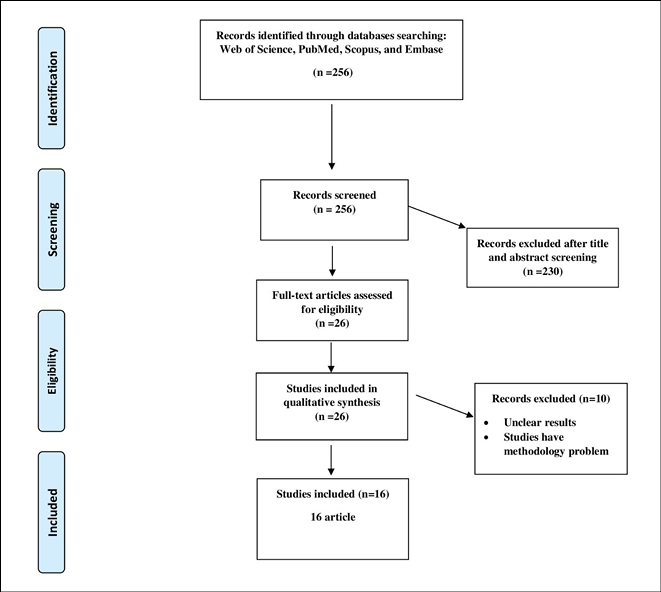
Figure 1 - Flow chart of the study selection.
Table 1 - Key characteristics of studies included in the meta-analysis.
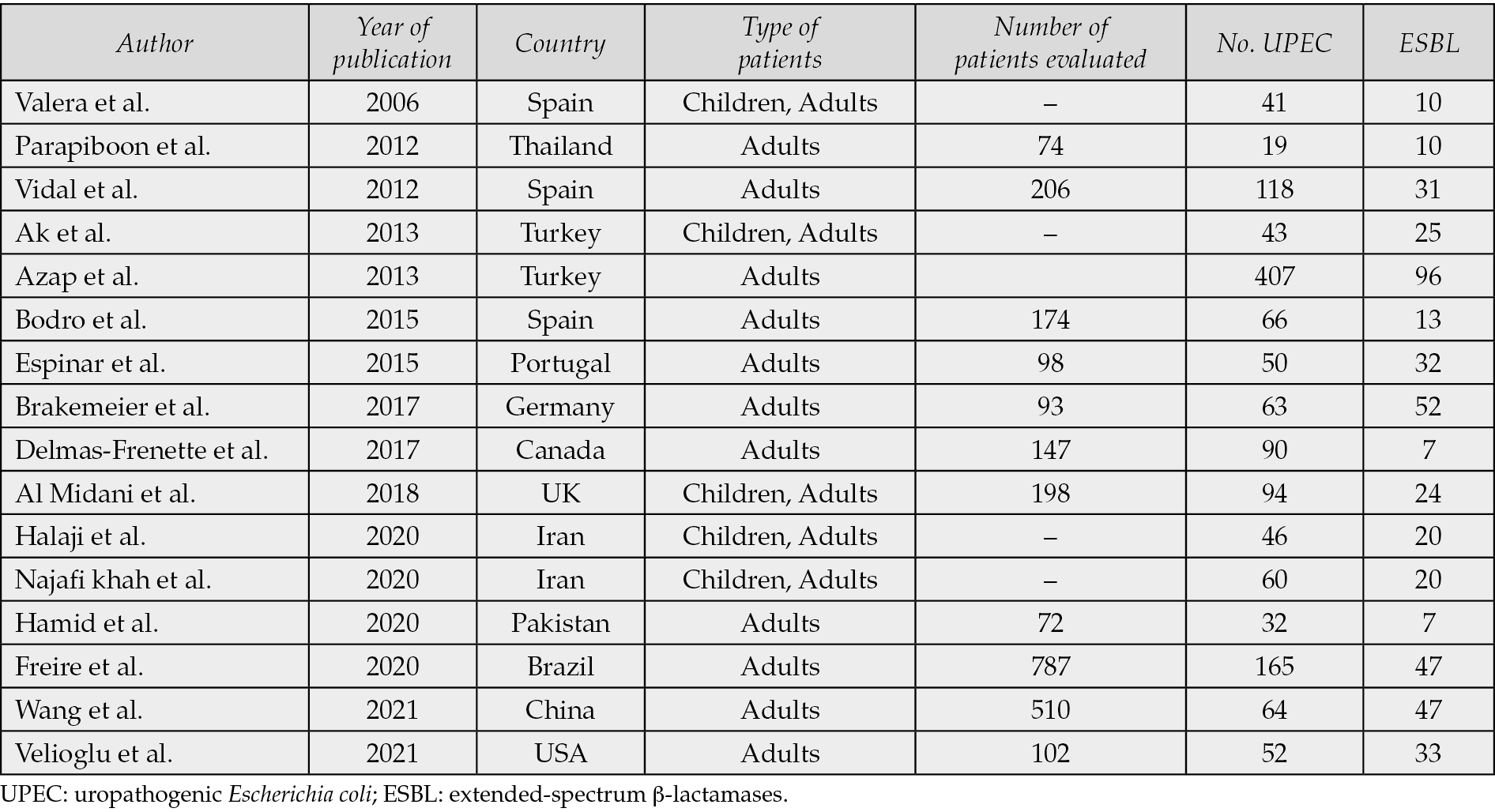

Figure 2 - The worldwide distribution of ESBL-producing UPEC isolates of the involved studies.
Prevalence of ESBL-producing UPEC isolates among KTP
From those studies, the pooled prevalence of ESBL-producing UPEC isolates were 40% (95% CI: 29–51) (Figure 3). There was significant heterogeneity among the 16 studies (χ2=333.38, I2=95.5%, p<0.001). The publishing bias funnel plot did not reveal any asymmetry. Additionally, the publication bias was statistically assessed using Begg’s and Egger’s tests.
There was no significant publication bias, as shown by the results of Begg’s (z=1.49, p=0.13) and Egger’s tests (t=2.46, p=0.02) (Figure 4).
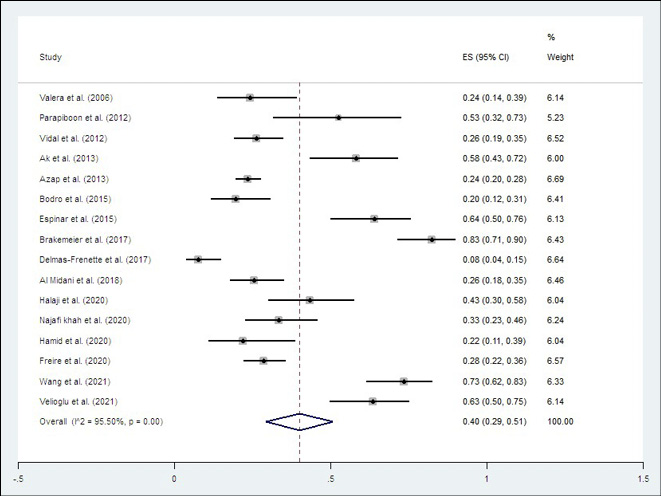
Figure 3 - Forest plot of the pooled frequency in ESBL-producing UPEC among KTP.
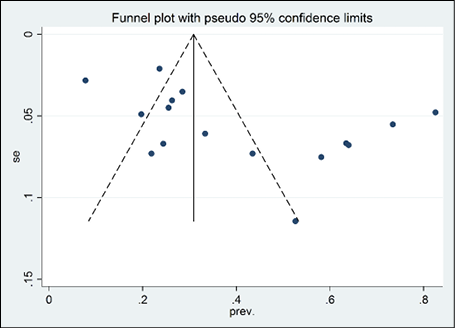
Figure 4 - Funnel plot for evaluation of publication bias.
Subgroup analysis of prevalence of ESBL-producing UPEC isolates
The subcategory analysis results based on continent indicated that Asian countries had the highest rate of ESBL-producing isolates with 45% (95% CI: 25-65), followed by 40% (95% CI: 25-56), 28% (95% CI: 22-36) and 16% (95% CI: 11-21) in Europe, South America and North America, respectively.
Studies performed in Asia (χ2=40.27; p<0.001; I2=90.07%) and Europe (χ2=173.58; p<0.001; I2=96.97%) showed significant heterogeneity based on the Q statistic and I2 (Figure 5).
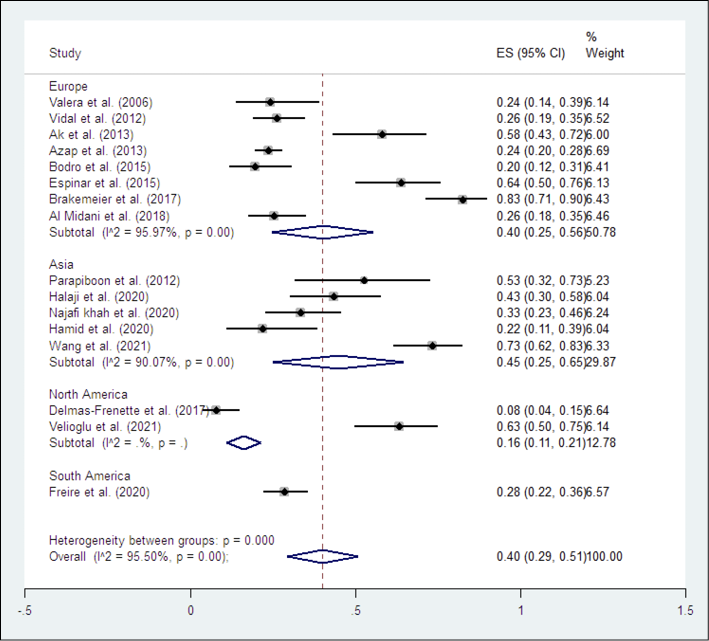
Figure 5 - Forest plots of the overall frequency of ESBL-producing UPEC among KTP.
Metaregression
Metaregression results indicated that the frequency of ESBL-producing UPEC among KTP was not significantly associated with year, coefficients: 0.14436 (95% CI: 0.0009254-0.029798, p=0.08) (Figure 6). Additionally, no substantial increasing trend was observed over time on the estimated pooled frequency of ESBL-producing UPEC isolates in the included studies.
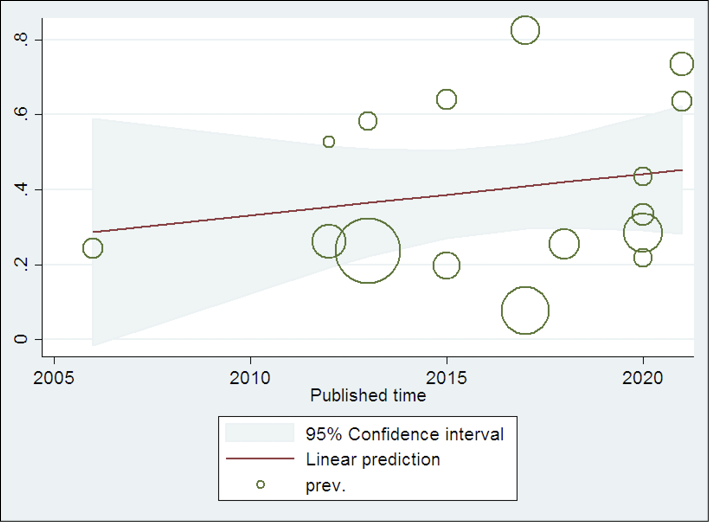
Figure 6 - Metaregression of the log-event rates by year.
DISCUSSION
Despite significant advancements in surgical methods and immunosuppressive medication following kidney transplantation, UTI remains the most common complication in KTPs, and the primary cause of UTI in KTPs is UPEC [31, 33].
Although β-lactam antibiotics are typically used to treat infections brought on by E. coli strains, a hazard to public health has emerged in recent years due to establishment of antibiotic resistance and the dissemination of MDR- and ESBL-producing UPEC isolates [34-36].
The incidence of ESBL-producing UPEC among KTPs examined from urine samples ranged from 8% to 83% in international research, according to the current analysis. Additionally, the study reported a pooled prevalence of 40% for ESBL-producing UPEC. These findings strongly suggest that ESBL-producing UPEC is widely distributed in KTPs, potentially compromising the effectiveness of antibiotics in these patients.
According to the meta-analysis study conducted by Garousi et al, patients with UTI had a pooled frequency of 37.9% for ESBL-producing E. coli [36]. In another study conducted by Sadeghi et al. in the north of Iran, the frequency of isolates that produced ESBL was found to be 46%. This was determined on the antibiotic resistance results of E. coli isolates obtained from UTI patients [37]. In a study conducted in Iran, Naziri et al. showed that among 78 UPEC isolates, 27 (34.6%) were detected as ESBL producer isolates [38].
In the present meta-analysis, two studies from Iran were included, which reported the frequency of ESBL-producing UPEC isolates among KTPs with UTIs as 33% and 43%. These percentages were found to be very similar to the results reported in other studies.
In a study, Belas et al. examined the frequency of ESBL-producing E. coli that cause UTIs in non-related companion animals (35 isolates) and humans (85 isolates). The results of their study showed that out of the 35 companion animal isolates, 14 isolates (40%) carried ESBL encoding genes, while out of the 85 human isolates, 80 isolates (94.1%) carried ESBL encoding genes [39].
Probably, one of the reasons for the high frequency of ESBL-producing UPEC in this study is the method used to identify these isolates. The PCR method was employed instead of the DDST method, as molecular techniques have been shown to possess higher sensitivity and specificity compared to phenotypic tests.
Furthermore, the frequency of ESBL-producing isolates in other pathotypes of E. coli has also been investigated. For example, Bezabih et al. performed a systematic review that included 133 articles published between January 1, 2000, and April 22, 2021.
The findings of their investigation revealed that 17.6% of healthy people worldwide and 21.1% of inpatients in healthcare settings harbored ESBL-producing E. coli in their intestines. The global carriage rate in healthcare settings increased threefold, from 7% in 2001-2005 to 25.7% in 2016-2020. Additionally, in community settings, the carriage rate increased tenfold, rising from 2.6% to 26.4% over the same time period [40].
A comparison of the results of our study with this meta-analysis reveals the following:
1) The pooled frequency of ESBL-producing isolates among intestinal E. coli strains is lower than that among UPEC strains.
2) Over time, the frequency of ESBL-producing isolates has increased, which is in line with our finding.
In our meta-analysis, the oldest study was published in 2006 by Valera et al., and the most recent studies were published in 2021 by Velioglu et al. and Wang et al., who reported the frequency of ESBL-producing UPEC isolates as 24, 63, and 73%, respectively. Based on these results, the frequency of ESBL-producing isolates shows an upward trend.
In the United States, two meta-analysis studies were conducted by Flokas et al. These studies investigated the frequency of ESBL-producing Enterobacteriaceae (ESBL-PE) in pediatric patients with UTI and bloodstream infection. The pooled frequency of ESBL-PE was reported as 14% and 9%, respectively [41-43].
These results demonstrate that the frequency of ESBL-PE in pediatric UTI is higher than that in blood infections. Additionally, a study conducted on pediatric UTI indicated the following pooled rates: 76% in Africa, 37% in Asia, 12% in Europe, 7% in the Western Pacific, 5% in the Eastern Mediterranean, and 2% in the Americas.
Furthermore, Onduru et al. and Diriba et al. conducted two meta-analysis studies investigating the pooled frequency of ESBL-PE in Africa. The pooled rates were reported as 38% and 49%, respectively [43, 44]. One of the most significant reasons for the variation in the frequency of ESBL-PE in these studies is the disparity in geographical location and healthcare levels between developing and developed countries. Additionally, in our study, subgroup analysis by continent revealed that Asian countries had the highest ESBL-production rate at 45%, followed by Europe at 40%, South America at 28%, and North America at 16%. Consistent with our findings, Bezabih et al. reported the highest rate of ESBL-producing isolates in Asia (27%) [42].
Our meta-analysis has certain limitations. Firstly, the majority of the studies we examined were conducted in a limited number of regions, which may hinder the accurate representation of global epidemiology. Secondly, the included studies did not provide sufficient data on the antibiotic susceptibility patterns of ESBL-positive isolates. Thirdly, heterogeneity was observed among the included studies, prompting us to conduct subgroup analysis and metaregression. However, it is crucial to interpret the results cautiously due to variations in sample sizes and significant heterogeneity.
CONCLUSION
Unfortunately, 40% of the UPECs in the current investigation were identified as ESBL-producing isolates. These isolates present a significant public health concern as they can facilitate the dissemination of antimicrobial resistance within the local population and accelerate the ineffectiveness of commonly prescribed antibiotics for UTI treatment in KTPs and other patients. In light of these findings, ongoing regional screening of ESBL producers is crucial, particularly in developing nations, to account for variations in the characteristics of UPEC strains across different geographical locations and their evolutionary changes over time. This need is particularly pronounced in developing countries.
Acknowledgements
The authors would like to thank the Student Research Committee, Babol University of Medical Sciences, Babol, Iran for its support.
Ethics approval
This study was approved by the research ethics committee of Babol University of Medical Sciences; Babol, Iran with number code IR.MUBABOL.HRI.REC.1401.199.
Availability of data and materials
Data available on request from the authors.
Authors’ contributions
TM, HSh, MH and MR conceived and designed the experiments. Performed the experiments: AF, SN, MH and AP. Performed statistical and spatial analyses and interpreted all the results: HSh, MH and MR. Contributed to the writing of the manuscript and revised the final version manuscript: MH, AP, AF and MR. All authors read and approved the final manuscript.
Conflict of interest
The authors report no conflicts of interest in this work
Funding
This work was supported by Babol University of Medical Sciences (grant number: 724134528).
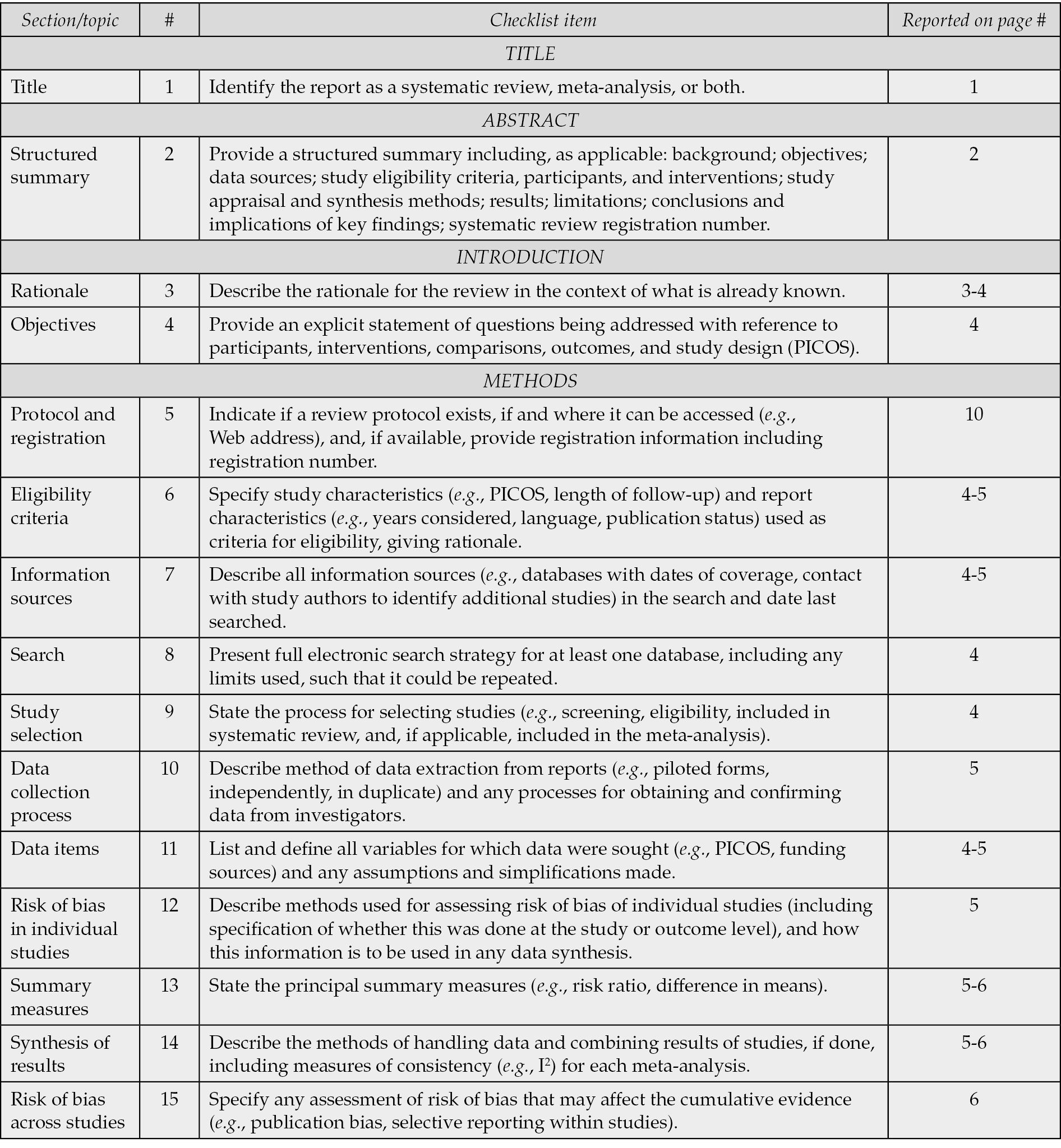
Supplementary Material - S1 Checklist: PRISMA checklist
REFERENCES
[1] Velioglu A, Guneri G, Arikan H, et al. Incidence and risk factors for urinary tract infections in the first year after renal transplantation. Plos One. 2021; 16 (5): e0251036.
[2] Olenski S, Scuderi C, Choo A, et al. Urinary tract infections in renal transplant recipients at a quaternary care centre in Australia. BMC Nephrol. 2019; 20 (1): 1-7.
[3] Arabi Z, Al Thiab K, Altheaby A, et al. Urinary tract infections in the first 6 months after renal transplantation. Int J Nephrol. 2021; 2021.
[4] Giordano L, Lasmar M, Vianna H, et al. Risk factors related to urinary tract infection in renal transplant recipients: 539. Transplantation. 2012; 94 (10S): 849.
[5] Sorto R, Irizar S, Delgadillo G, Alberú J, Correa-Rotter R, Morales-Buenrostro L, editors. Risk factors for urinary tract infections during the first year after kidney transplantation. Transplantation proceedings. 2010: Elsevier.
[6] Halaji M, Shahidi S, Atapour A, Ataei B, Feizi A, Havaei SA. Characterization of extended-spectrum β-lactamase-producing uropathogenic Escherichia coli among Iranian kidney transplant patients. Infect Drug Resist. 2020; 13: 1429.
[7] Vidal E, Torre-Cisneros J, Blanes M, et al. Bacterial urinary tract infection after solid organ transplantation in the RESITRA cohort. Transpl Infect Dis. 2012; 14 (6): 595-603.
[8] Mohammadzadeh M, Tavakoli M, Yaslianifard S, Asadi E, Golmohammadi R, Mirnejad R. Genetic diversity and antibiotic susceptibility of uropathogenic Escherichia coli isolates from kidney transplant recipients. Infect Drug Resist. 2019; 12: 1795.
[9] Giardino S, Bandettini R, Perotti M, et al. Gram-negative urinary tract infections and increasing isolation of ESBL-producing or ceftazidime-resistant strains in children: results from a single-centre survey. Infez Med. 2013; 21 (1): 29-33.
[10] Halaji M, Shahidi S, Ataei B, Atapour A, Feizi A, Havaei SA. Molecular epidemiology of blaCTX-M gene-producing uropathogenic Escherichia coli among Iranian kidney transplant patients: clonal dissemination of CC131 and CC10. Ann Clin Microbiol Antimicrob. 2021; 20 (1): 1-11.
[11] Khah AN, Hakemi-Vala M, Samavat S, Nasiri MJ. Prevalence, serotyping and drug susceptibility patterns of Escherichia coli isolates from kidney transplanted patients with urinary tract infections. World J Biol Chem. 2020; 11 (3): 112.
[12] Ali GH, Yakout MA. Comparative study of ESBL production among uropathogenic Escherichia coli clinical isolates from pre-and post-menopausal women in Egypt. Curr Microbiol. 2021; 78 (9): 3516-25.
[13] Ali T, Ali I, Khan NA, Han B, Gao J. The growing genetic and functional diversity of extended spectrum beta-lactamases. Biomed Res Int. 2018; 2018.
[14] D’Andrea MM, Arena F, Pallecchi L, Rossolini GM. CTX-M-type β-lactamases: a successful story of antibiotic resistance. Int J Med Microbiol. 2013; 303 (6-7): 305-17.
[15] Hassuna NA, Khairalla AS, Farahat EM, Hammad AM, Abdel-Fattah M. Molecular characterization of Extended-spectrum β-lactamase-producing E. coli recovered from community-acquired urinary tract infections in Upper Egypt. Sci Rep. 2020; 10 (1): 1-8.
[16] Espinar MJ, Miranda IM, Costa-de-Oliveira S, Rocha R, Rodrigues AG, Pina-Vaz C. Urinary tract infections in kidney transplant patients due to Escherichia coli and Klebsiella pneumoniae-producing extended-spectrum β-lactamases: risk factors and molecular epidemiology. Plos One. 2015; 10 (8): e0134737.
[17] Alevizakos M, Nasioudis D, Mylonakis E. Urinary tract infections caused by ESBL-producing Enterobacteriaceae in renal transplant recipients: A systematic review and meta-analysis. Transpl Infect Dis. 2017; 19 (6): e12759.
[18] Munn Z, Moola S, Lisy K, Riitano D, Tufanaru C. Methodological guidance for systematic reviews of observational epidemiological studies reporting prevalence and cumulative incidence data. Int J Evid Based Healthc. 2015; 13 (3): 147-153.
[19] Nyaga VN, Arbyn M, Aerts M. Metaprop: a Stata command to perform meta-analysis of binomial data. Arch Public Health. 2014; 72 (1): 39.
[20] Begg CB, Pilote L. A model for incorporating historical controls into a meta-analysis. Biometrics. 1991; 47 (3): 899-906.
[21] Zeng X, Zhang Y, Kwong JS, et al. The methodological quality assessment tools for preclinical and clinical studies, systematic review and meta-analysis, and clinical practice guideline: a systematic review. J Evid Based Med. 2015; 8 (1): 2-10.
[22] Valera B, Gentil M, Cabello V, Fijo J, Cordero E, Cisneros J, editors. Epidemiology of urinary infections in renal transplant recipients. Transplantation proceedings. 2006: Elsevier.
[23] Wang Q, Zhao K, Guo C, et al. Antibiotic resistance and virulence genes of Escherichia coli isolated from patients with urinary tract infections after kidney transplantation from deceased donors. Infect Drug Resist. 2021; 14: 4039.
[24] Freire MP, Martinho L, Mendes CV, et al. Institutional protocol adherence in the incidence of recurrent urinary tract infection after kidney transplantation. J Gob Antimicrob Resist. 2020; 23: 352-58.
[25] bin Hamid R, Javaid S, Khan MT, Lal N, Luxmi S, Sarfaraz S. Multiple drug resistant urinary tract infection in kidney transplant recipients: a retrospective cohort study. Saudi J Kidney Dis Transpl. 2020; 31 (5): 905.
[26] Al Midani A, Elands S, Collier S, Harber M, Shendi A, editors. Impact of urinary tract infections in kidney transplant recipients: a 4-year single-center experience. Transplantation Proceedings. 2018: Elsevier.
[27] Delmas-Frenette C, Dorais M, Tavares-Brum A, et al. Epidemiology and outcome of antimicrobial resistance to gram-negative pathogens in bacteriuric kidney transplant recipients. Transpl Infect Dis. 2017; 19 (4): e12722.
[28] Brakemeier S, Taxeidi S, Zukunft B, et al., editors. Extended-Spectrum Beta-Lactamase–producing enterobacteriaceae–related urinary tract infection in kidney transplant recipients: risk factors, treatment, and long-term outcome. Transplantation Proceedings. 2017: Elsevier.
[29] Bodro M, Sanclemente G, Lipperheide I, et al. Impact of antibiotic resistance on the development of recurrent and relapsing symptomatic urinary tract infection in kidney recipients. Am J Transplant. 2015; 15 (4): 1021-27.
[30] Azap Ö, Togan T, Yesilkaya A, Arslan H, Haberal M, editors. Antimicrobial susceptibilities of uropathogen Escherichia coli in renal transplant recipients: dramatic increase in ciprofloxacin resistance. Transplantation Proceedings. 2013: Elsevier.
[31] Ak O, Yildirim M, Kucuk H, Gencer S, Demir T, editors. Infections in renal transplant patients: risk factors and infectious agents. Transplantation proceedings; 2013: Elsevier.
[32] Parapiboon W, Ingsathit A, Jirasiritham S, Sumethkul V, editors. High incidence of bacteriuria in early post-kidney transplantation; results from a randomized controlled study. Transplantation proceedings. 2012: Elsevier.
[33] Rice JC, Peng T, Kuo YF, et al. Renal allograft injury is associated with urinary tract infection caused by Escherichia coli bearing adherence factors. Am J Transplant. 2006; 6 (10): 2375-83.
[34] Kot B. Antibiotic Resistance among uropathogenic Escherichia coli. Pol J Microbiol. 2019; 68 (4): 403-15.
[35] Karagöz A, Sunnetcioglu M, Ceylan MR, et al. Characterisation of drug resistance of nosocomial ESBL-producing E. coli isolates obtained from a Turkish university hospital between 2009 and 2012 by pulsed field gel electrophoresis and antibiotic resistance tests. Infez Med. 2016; 24 (1): 24-31.
[36] Calitri C, Scolfaro C, Colombo S, et al. Extended-Spectrum Beta Lactamase-producing Enterobacteriaceae among the pediatric population: who is at risk and why? Results from a single-centre prospective study. Infez Med. 2016; 24 (4): 318-25.
[37] Sadeghi M, Sedigh Ebrahim-Saraie H, Mojtahedi A. Prevalence of ESBL and AmpC genes in E. coli isolates from urinary tract infections in the north of Iran. New Microbes New Infect. 2022; 45: 100947.
[38] Naziri Z, Derakhshandeh A, Soltani Borchaloee A, Poormaleknia M, Azimzadeh N. Treatment failure in urinary tract infections: a warning witness for virulent multi-drug resistant ESBL- Producing Escherichia coli. Infect Drug Resist. 2020; 13: 1839-50.
[39] Belas A, Marques C, Menezes J, da Gama LT, Cavaco-Silva P, Pomba C. ESBL/pAmpC-Producing Escherichia coli Causing Urinary Tract Infections in Non-Related Companion Animals and Humans. Antibiotics (Basel). 2022; 11 (5).
[40] Bezabih YM, Bezabih A, Dion M, et al. Comparison of the global prevalence and trend of human intestinal carriage of ESBL-producing Escherichia coli between healthcare and community settings: a systematic review and meta-analysis. JAC Antimicrob Resist. 2022; 4 (3): dlac048.
[41] Flokas ME, Karanika S, Alevizakos M, Mylonakis E. Prevalence of ESBL-Producing Enterobacteriaceae in pediatric bloodstream infections: a systematic review and meta-analysis. Plos One. 2017; 12 (1): e0171216.
[42] Bezabih YM, Sabiiti W, Alamneh E, et al. The global prevalence and trend of human intestinal carriage of ESBL-producing Escherichia coli in the community. J Antimicrob Chemother. 2021; 76 (1): 22-29.
[43] Diriba K, Awulachew E, Gemede A, Anja A. The magnitude of extended-spectrum beta-lactamase- producing Enterobacteriaceae from clinical samples in Ethiopia: a systematic review and meta-analysis. Access Microbiol. 2021; 3 (3): 000195.
[44] Onduru OG, Mkakosya RS, Aboud S, Rumisha SF. Genetic determinants of resistance among ESBL-Producing Enterobacteriaceae in community and hospital settings in East, Central, and Southern Africa: A Systematic Review and Meta-Analysis of Prevalence. Can J Infect Dis Med Microbiol. 2021; 2021: 5153237.